
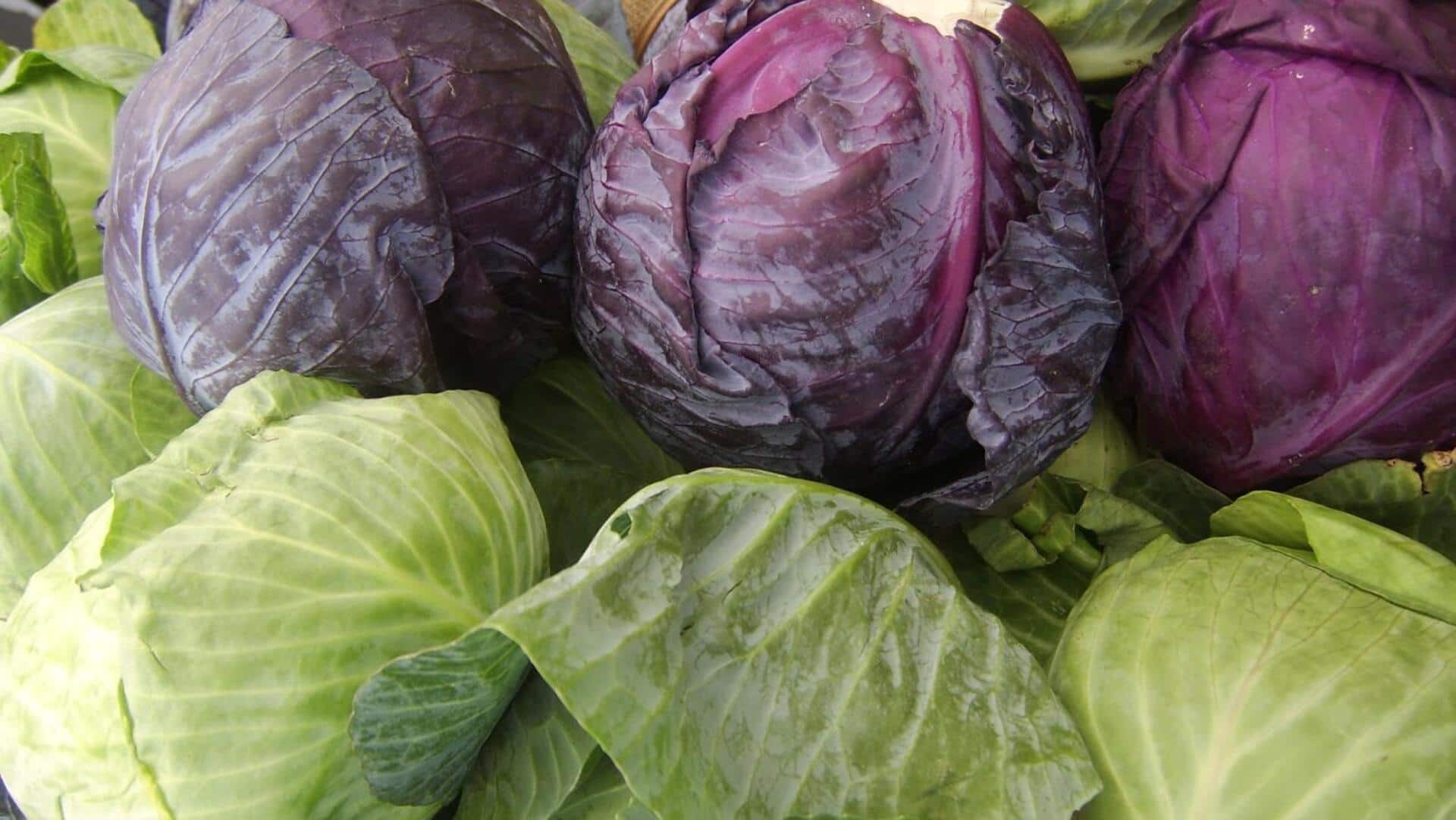
Red cabbage v/s green cabbage: Decoding their nutritional differences
What's the story
Red cabbage and green cabbage are two popular varieties of the vegetable that are commonly used in salads, stir-fries, and other dishes. While both provide a range of nutrients, they also differ in terms of their nutritional profiles. Knowing these differences can help you make better dietary choices depending on your nutritional needs. Here, we take a look at the nutritional differences between red and green cabbage.
#1
Antioxidant content in red cabbage
Red cabbage is famous for its high antioxidant content, courtesy of anthocyanins. These pigments not only give the vegetable its vibrant color but also offer several health benefits by fighting oxidative stress in the body. Studies suggest that the antioxidants in red cabbage may help reduce inflammation and lower the risk of chronic diseases. Eating red cabbage regularly can be a great way to boost your antioxidant intake.
#2
Vitamin C levels compared
Both red and green cabbages are great sources of vitamin C, but red cabbage has the upper hand. It has about 50% more vitamin C than its green counterpart. Vitamin C is an essential nutrient that promotes immune function and collagen production. Including red cabbage in your diet can help you meet your daily vitamin C requirements more efficiently than green cabbage.
#3
Fiber content analysis
Both red and green cabbages are high in fiber, which is essential for keeping the digestive system healthy. However, green cabbage has a slight edge with a higher fiber content per serving. Fiber promotes regular bowel movements and helps control weight by making you feel full after meals. If you want to up your fiber intake, green cabbage could be the better option.
#4
Caloric value differences
When it comes to caloric value, both red and green cabbages are low-calorie vegetables. They are ideal for weight management diets. However, there is a slight difference in their caloric values. Red cabbage is marginally higher due to its sugar content from anthocyanins. For those keeping a close watch on calorie intake but still want to enjoy these veggies' benefits without compromising on flavor or nutrition, either option works well within balanced meals.