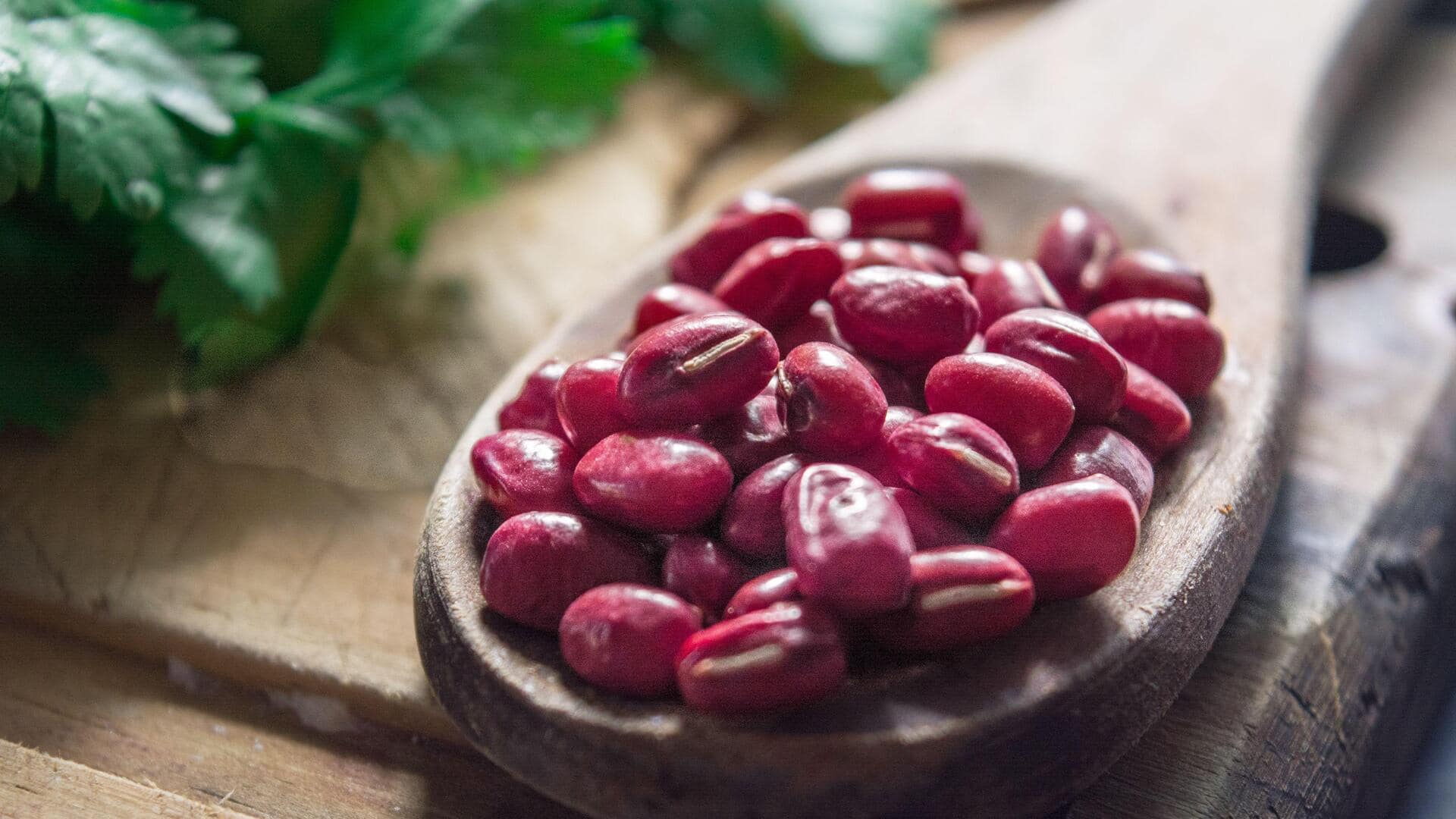
Health benefits of adding red kidney beans to your diet
What's the story
Red kidney beans are a staple in many cuisines, and for good reason. These legumes are packed with nutrients that promote overall health. Their high protein and fiber content make them an ideal choice for those looking to maintain a balanced diet. Apart from this, red kidney beans also provide essential vitamins and minerals that contribute to various bodily functions. Here's how red kidney beans can benefit you.
Protein power
Rich source of plant-based protein
Red kidney beans are an amazing source of plant-based protein, making them an ideal choice for vegetarians and vegans.
One cup of cooked red kidney beans has about 15 grams of protein, which helps in muscle repair and growth.
Protein is also important for the production of enzymes and hormones in the body.
Including red kidney beans in your diet can help you meet your daily protein needs without the saturated fats that come with animal products.
Fiber boost
High fiber content for digestive health
The high fiber content of red kidney beans makes them great for digestive health.
A single cup of these beans has about 13 grams of fiber, which is nearly half the recommended daily intake for adults.
Fiber helps keep bowel movements regular and prevents constipation by adding bulk to the stool.
It also helps you maintain a healthy weight by keeping you full after meals, which reduces overall calorie intake.
Nutrient dense
Packed with essential vitamins and minerals
Red kidney beans are loaded with essential vitamins and minerals, such as iron, potassium, magnesium, and folate.
Iron is essential for transporting oxygen in the blood, while potassium helps regulate blood pressure levels by balancing sodium effects in the body.
Magnesium supports bone health and energy production processes within cells, and folate is important for DNA synthesis and repair.
Glycemic advantage
Low glycemic index for blood sugar control
With a low glycemic index, red kidney beans release glucose slowly into the bloodstream after consumption, preventing spikes in blood sugar levels.
This makes them an ideal choice for diabetics, as they can help control blood glucose levels effectively when combined with other low-GI foods, such as whole grains, fruits, and vegetables.