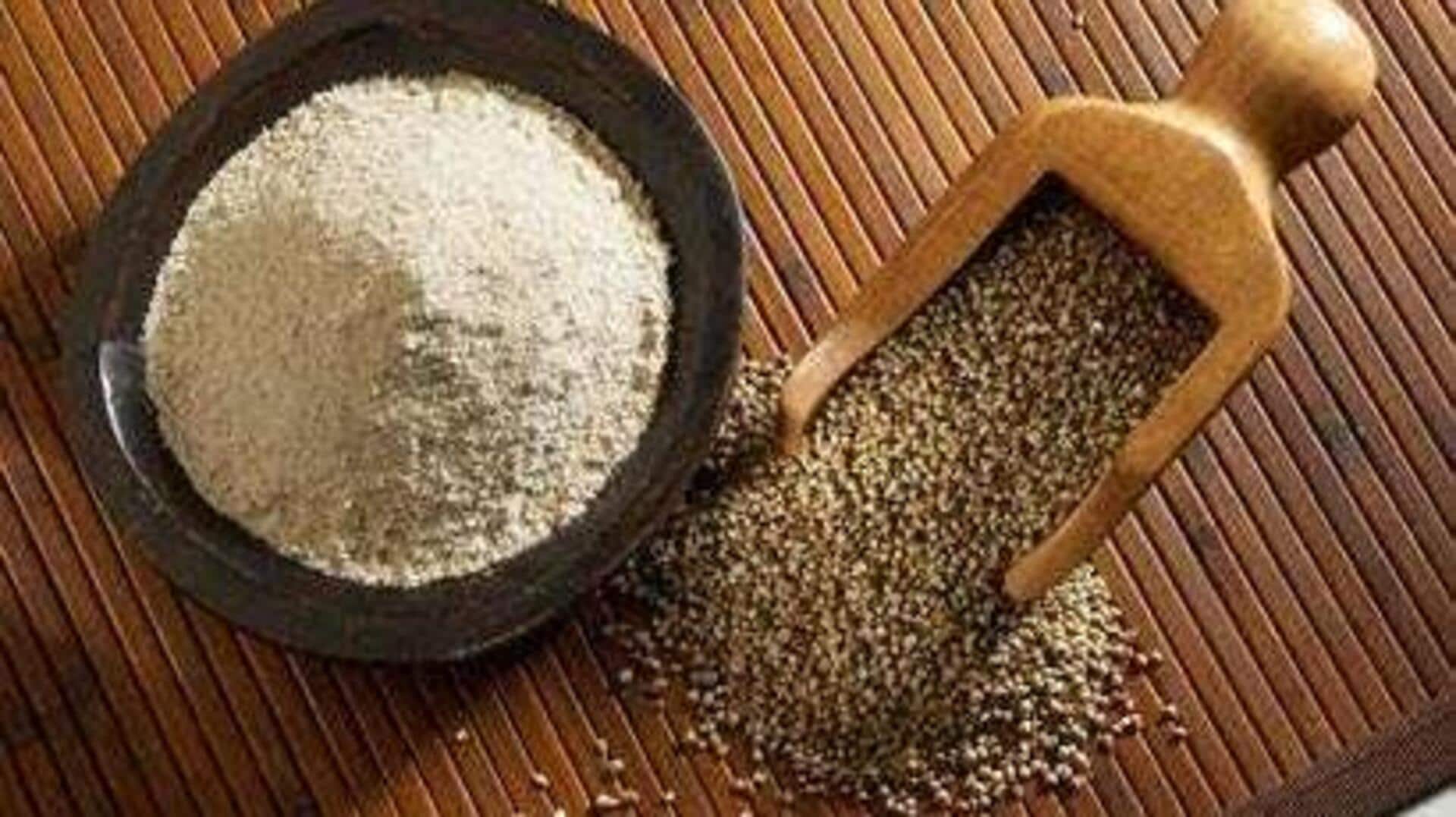
Pearl millet: Nutrition, culinary uses, and more
What's the story
Pearl millet, a staple in many African diets, is gaining attention for its nutritional benefits and versatility in cooking. Known for its resilience in harsh climates, this ancient grain is packed with essential nutrients. As more people explore diverse culinary options, pearl millet offers a unique ingredient that can enhance both health and flavor. Here are some insights into the nutritional value of pearl millet and how it can be incorporated into various dishes.
#1
Nutritional powerhouse of pearl millet
Pearl millet is packed with essential nutrients such as magnesium, phosphorus, and iron.
It is also a great source of dietary fiber, which promotes digestion and keeps you healthy.
Its high protein content makes it a great option for vegetarians looking to up their protein intake.
Plus, pearl millet has antioxidants that help fight oxidative stress in the body.
#2
Versatile cooking applications
Pearl millet can be used in a variety of dishes, from traditional porridge to modern salads.
Its mild flavor makes it a versatile base for both sweet and savory recipes.
Cooked pearl millet can be added to soups or used as a grain bowl component with vegetables and legumes.
It can also be ground into flour for baking bread or pancakes.
#3
Gluten-free alternative
For those with gluten sensitivities or celiac disease, pearl millet provides an excellent gluten-free alternative to wheat-based products.
Its natural properties allow it to be used in gluten-free baking mixes, without compromising texture or taste significantly.
This makes it easier for people on restricted diets to enjoy familiar foods, without sacrificing nutrition.
#4
Economic benefits of growing pearl millet
Growing pearl millet is economically advantageous since it requires less water than other crops, making it perfect for drought-prone areas.
This not only guarantees food security but also supports local economies by providing a sustainable source of income through agriculture.
Farmers can benefit from cultivating this resilient grain while contributing positively towards environmental conservation efforts by reducing water usage significantly compared to other grains.