5 ways African basketry is going sustainable
What's the story
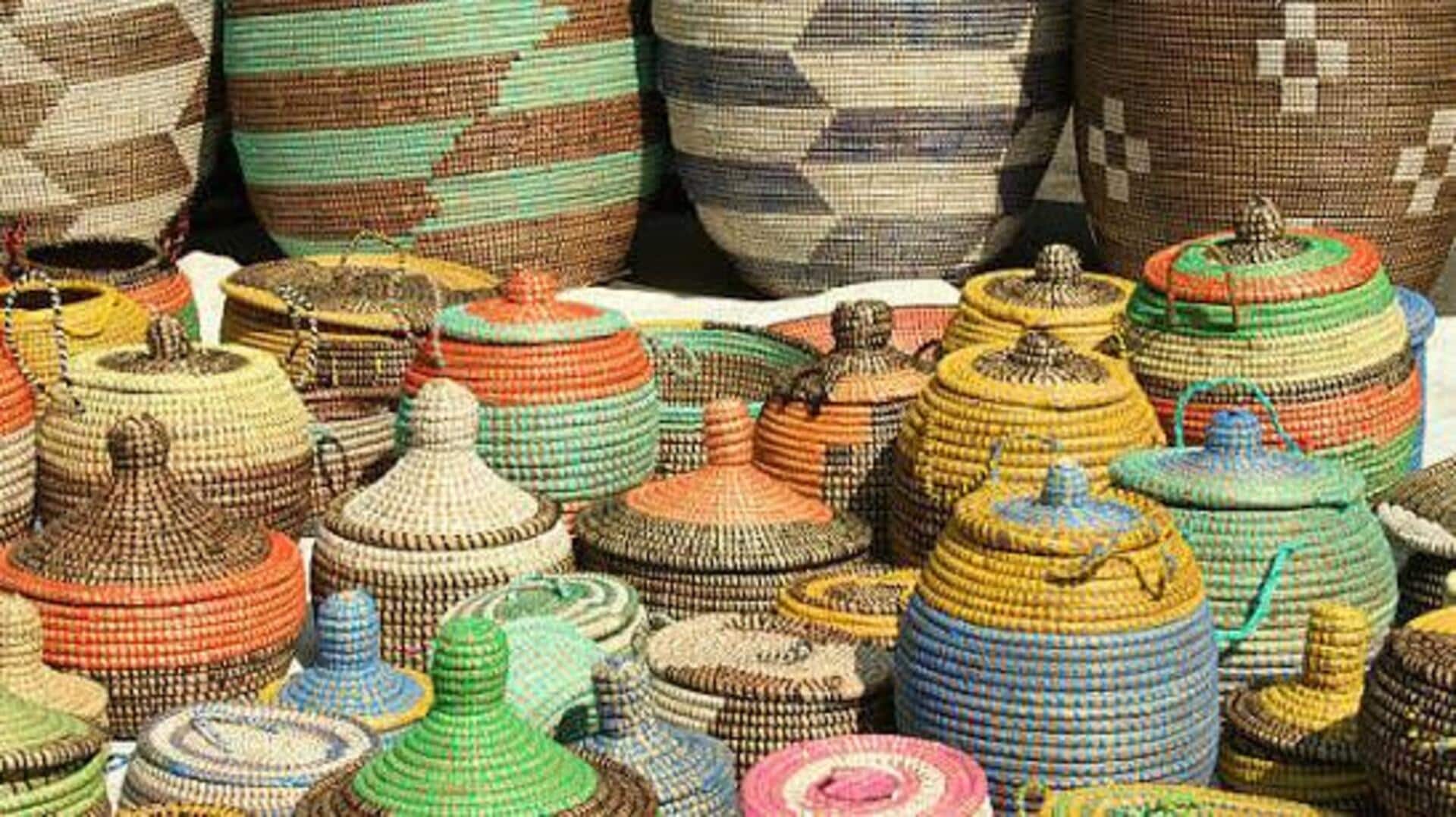
African basketry is a traditional craft practiced for centuries, showcasing the continent's rich cultural heritage. The art of weaving baskets from natural materials is not only an expression of creativity but also a sustainable practice. In recent years, there has been a renewed interest in reviving this craft, with innovative design ideas that blend traditional techniques with modern aesthetics. Here are five sustainable design ideas inspired by African basketry.
Tip 1
Upcycled materials for modern appeal
Using upcycled materials in African basketry can give a modern twist to the age-old craft.
By using discarded plastic, fabric scraps, or recycled paper, artisans can create vibrant and unique pieces.
This not only reduces waste but also makes the baskets more affordable and accessible to a wider audience.
The use of upcycled materials also encourages environmental consciousness among consumers.
Tip 2
Incorporating natural dyes
Natural dyes have always been an integral part of African basketry, giving the crafts their traditional colors.
However, by introducing new plant-based dyes, artisans can create a whole new palette of colors.
These dyes are not only eco-friendly but also biodegradable, making them a sustainable choice for modern-day production.
Using natural dyes also supports local agriculture and promotes biodiversity.
Tip 3
Multi-functional basket designs
Designing multi-functional baskets is another innovative way to revive African basketry.
Baskets that can be used for storage, home decor, or even as fashion accessories appeal to a wider market.
By focusing on versatility, artisans can increase the demand for their products while staying true to the traditional weaving techniques.
Multi-functional designs also encourage consumers to invest in sustainable products that serve multiple purposes.
Tip 4
Collaborations with local artisans
Collaborating with local artisans is key to reviving African basketry sustainably.
By partnering with skilled weavers from different regions, designers can incorporate diverse techniques and styles into their collections.
These collaborations not only provide economic opportunities for local communities, but also ensure that traditional knowledge is passed down through generations.
Tip 5
Eco-friendly packaging solutions
Implementing eco-friendly packaging solutions is essential for promoting sustainable African basketry on the global stage.
Using biodegradable materials, such as recycled paper or plant-based plastics, ensures minimal environmental impact during transportation and storage of these handcrafted items.
Eco-friendly packaging enhances product appeal among environmentally conscious consumers who value sustainability in every aspect of their purchases.