Why rice traditions are a must in any wedding ceremony
What's the story
Rice, a universal symbol of prosperity and fertility, is an integral part of wedding ceremonies across the globe. In several cultures, throwing rice at newlyweds is a way to bless them with abundance and happiness. This age-old custom has different meanings and practices in different parts of the world. Here are five fascinating rice traditions that make wedding celebrations special worldwide.
Japan
Japanese 'San-San-Kudo' ritual
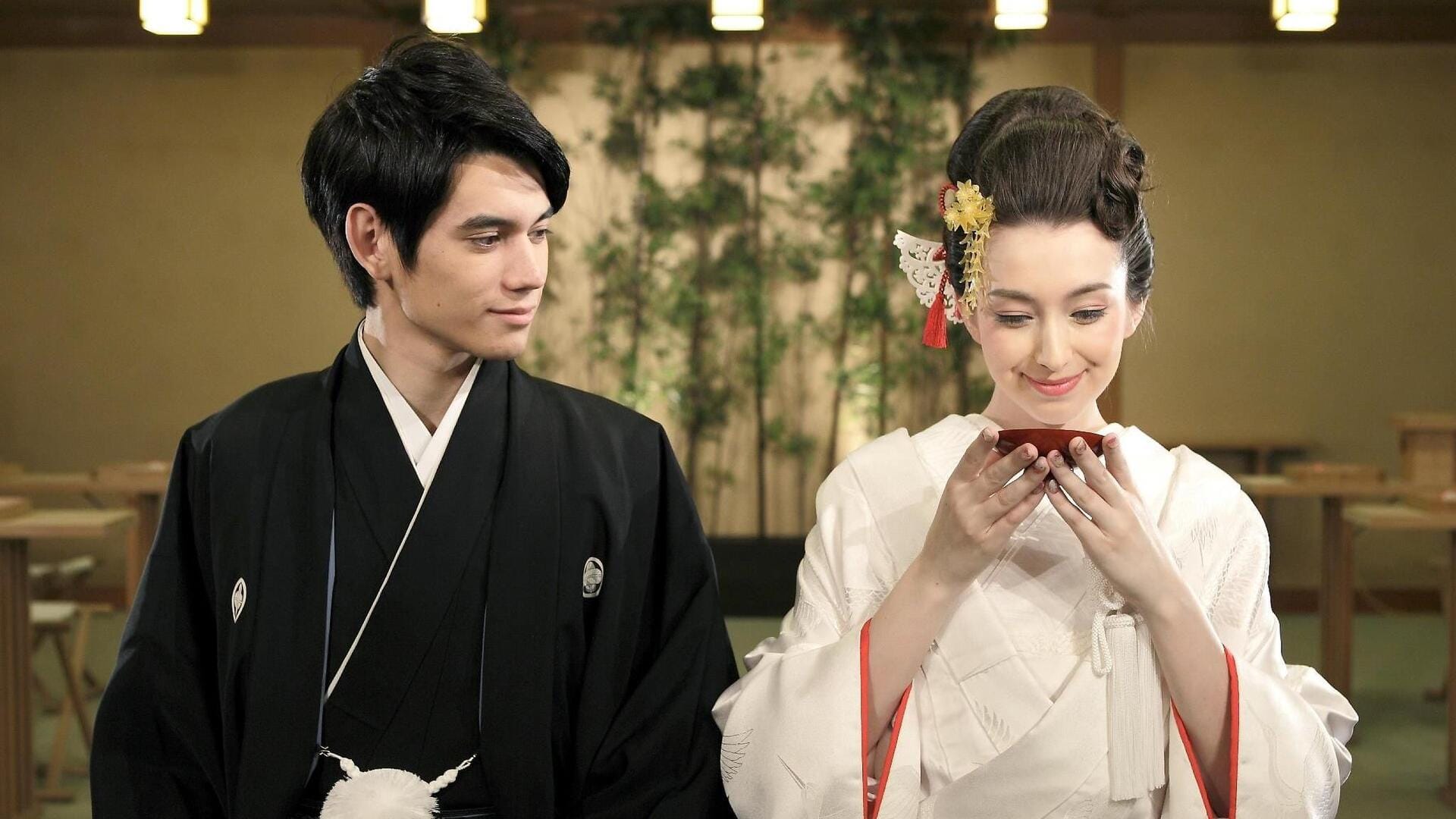
In Japan, the "san-san-kudo" ritual is an important part of Shinto weddings. The couple takes three sips each from three different cups. This act symbolizes the binding of their families and the couple. The number three is important as it stands for heaven, earth, and humanity. The ritual is a way to ensure harmony between the couple and their families.
India
Indian 'Akshata' tradition
In Indian weddings, akshata (unbroken rice grains) is applied on the bride and groom's heads as a blessing for prosperity and fertility. The grains are usually mixed with turmeric powder to give them a yellow color, which is auspicious in Hindu culture. The application is done during the mangalya dharanam ceremony when the couple exchanges vows. It's a symbolic gesture to wish them abundance in their married life.
China
Chinese 'Fan Qing' Custom
In China, fan qing is a traditional wedding custom where friends of the bride throw rice at her as she leaves her home for the groom's house. This act symbolizes good fortune and prosperity for both families involved in the marriage. The use of rice here signifies a bountiful life ahead for the newlyweds.
Italy
Italian 'confetti' tradition
In Italy, confetti refers to sugar-coated almonds or candies that are thrown at weddings instead of actual grains like in other cultures' traditions mentioned above. These confections often come in groups of five (representing health, wealth, happiness, long life, and fertility) when tossed over newlyweds during celebrations—making them sweet symbols of well-wishing just like their grain counterparts elsewhere around the globe!
Scotland
Scottish 'handfasting' ceremony
Scottish handfasting ceremonies involve tying knots with ribbons around couples' hands while incorporating symbolic elements such as oats. This practice dates back centuries when it was believed binding hands together would ensure unity between partners forevermore—much like how these other mentioned rituals do too.