Which is better for arm strength: Climbing or canoeing?
What's the story
Rock climbing and canoeing are two popular outdoor activities that provide unique physical benefits. While both sports engage various muscle groups, they particularly contribute to strengthening the arms in different ways. Knowing how each activity works can help you choose the best option for your fitness goals. Here is how rock climbing and canoeing contribute to arm strength, highlighting their distinct advantages and challenges.
#1
Rock climbing: A full-body workout
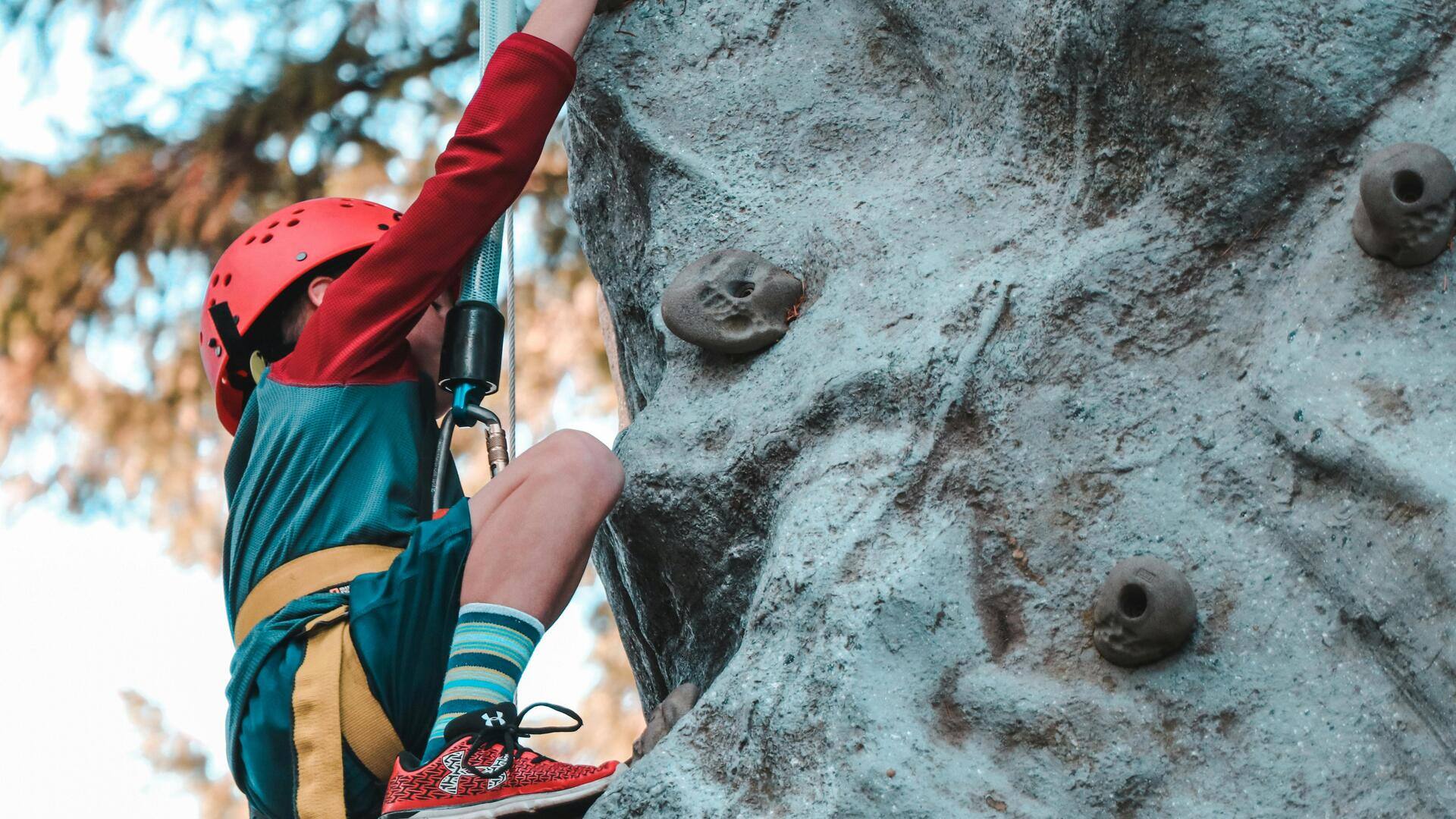
Rock climbing is a demanding activity that engages multiple muscle groups, particularly in the arms.
As climbers pull themselves up, they develop grip strength and forearm endurance.
The constant need to hold onto holds also improves dexterity and coordination.
Climbing routes vary in difficulty, giving climbers the opportunity to challenge themselves as they progress.
This sport not only strengthens the arms but also improves overall body balance and agility.
#2
Canoeing: Upper body focus
Canoeing is primarily an upper-body workout, as paddling requires continuous arm movement.
The repetitive motion of paddling engages the biceps, triceps, shoulders, and back muscles.
Canoeing over long distances can enhance cardiovascular endurance while building muscular strength in the arms.
The rhythmic nature of paddling also improves coordination between different muscle groups, making it an excellent choice for those looking to enhance their upper body strength.
#3
Endurance v/s power training
Rock climbing usually focuses more on power training with short bursts of intense effort as climbers scale walls or boulders.
This develops explosive strength in the arms for quick movements.
Canoeing, on the other hand, focuses more on endurance as paddlers spend long hours on the water at a steady pace.
Both approaches have their own benefits; climbers get powerful muscles, while canoeists get long-lasting endurance.
#4
Skill development opportunities
Both rock climbing and canoeing provide opportunities for skill development that go beyond just physical fitness.
Rock climbers learn techniques for efficient movement on different surfaces, while also developing problem-solving skills when figuring out routes or overcoming obstacles.
Canoeists hone their navigation skills by learning how to read water conditions and steer effectively through various environments.