
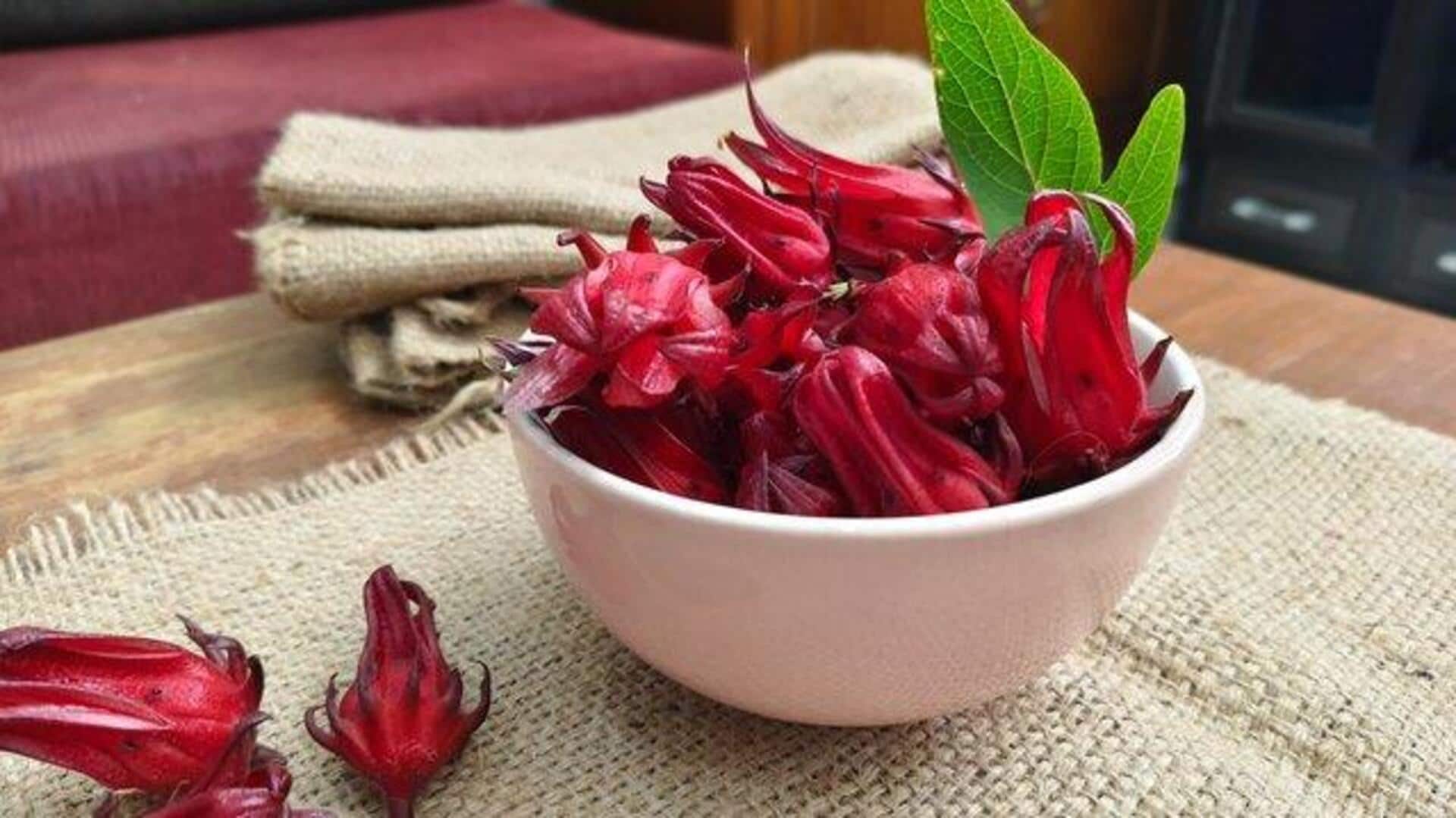
Exploring the health benefits of roselle seeds
What's the story
Roselle seeds, which are native to Africa, are gaining attention for their nutritional benefits. The seeds are derived from the hibiscus plant and are packed with essential nutrients. They are being considered as a potential plant-based protein source, which can be beneficial for those looking to diversify their diets. With the rising demand for sustainable protein sources, roselle seeds present an interesting option worth exploring.
#1
Nutritional profile of roselle seeds
Roselle seeds are loaded with essential nutrients such as protein, fiber, and healthy fats. They also contain vitamins and minerals such as vitamin C, calcium, and iron. The high protein content makes them an attractive option for vegetarians and vegans looking to up their daily intake without relying on animal products. The fiber content also promotes digestion and overall gut health.
#2
Potential health benefits
The consumption of roselle seeds may offer several health benefits owing to their rich nutrient profile. For instance, the presence of antioxidants helps combat oxidative stress in the body. This may lower the risk of chronic diseases such as heart disease and diabetes. Further, the anti-inflammatory properties of these seeds may help reduce inflammation-related issues.
#3
Cultivation practices in Africa
Cultivating roselle plants is relatively easy, making them a great crop for African farmers. They flourish in warm climates with well-drained soil and need little water once established. This makes them a drought-resistant crop, ideal for regions grappling with water scarcity problems. The cultivation of roselle can also offer farmers an additional source of income through local markets or export opportunities.
Tip 1
Incorporating roselle seeds into diets
Incorporating roselle seeds into your diet can be easy and versatile. You can add them to smoothies or salads, or use them as a topping on yogurt or oatmeal for added texture and nutrition. Grinding the seeds into a powder form allows you to use them as an ingredient in baking or cooking recipes without altering the flavor significantly, while boosting nutritional value.