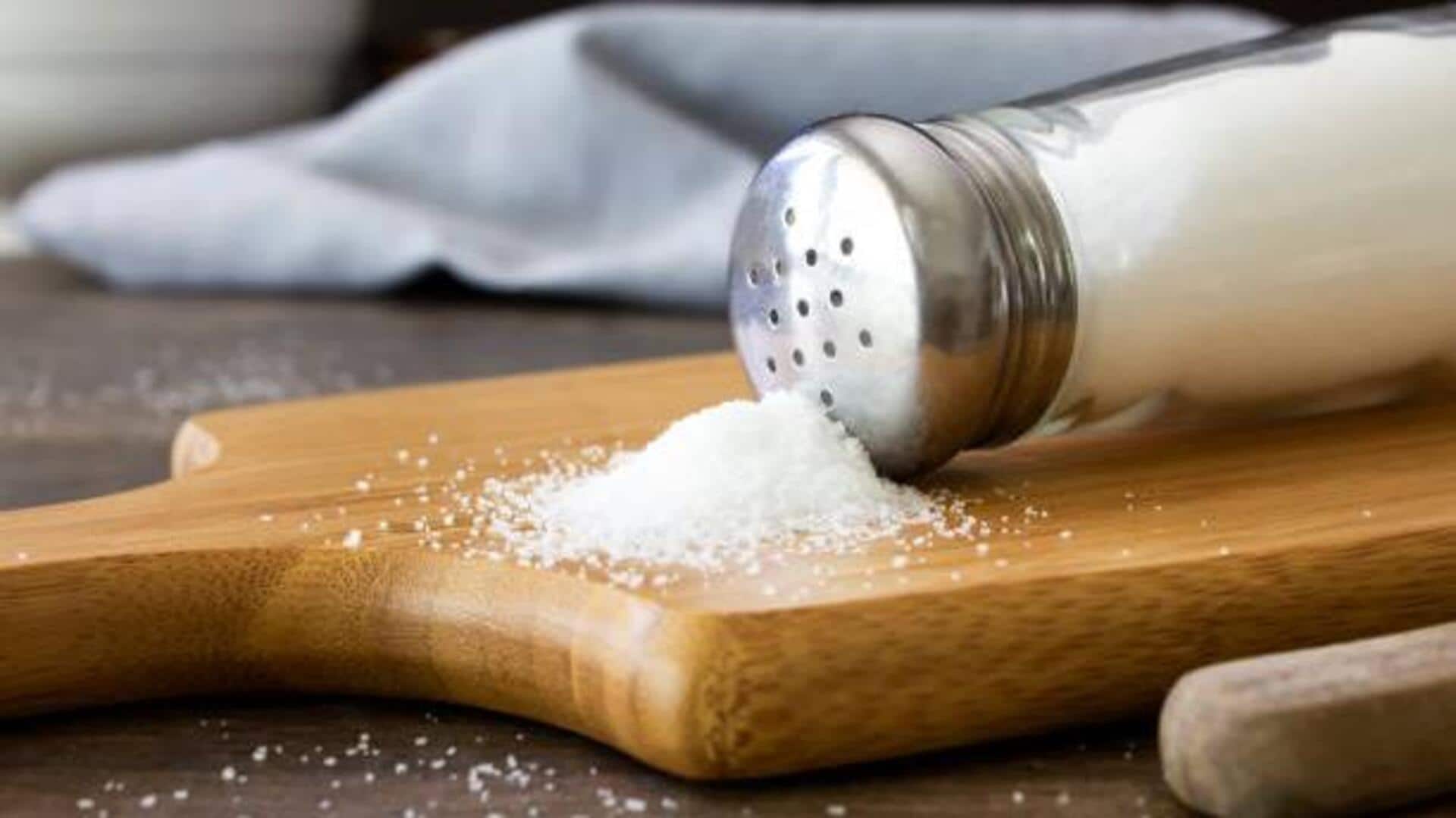
Is salt craving a sign of deficiency?
What's the story
Salt cravings are common, but many believe they indicate a mineral deficiency. However, the science behind these cravings is more complex than simply lacking minerals. While sodium is essential for bodily functions, craving salt does not always mean your body needs more minerals. Understanding the reasons behind salt cravings can help distinguish between genuine nutritional needs and other factors influencing your diet.
#1
The role of sodium in the body
Sodium is an essential mineral that helps regulate blood pressure and volume, and supports nerve and muscle function.
The body requires a small amount of sodium to function properly. However, most people consume more than enough sodium through their diet.
This excess intake can lead to health problems, such as high blood pressure and heart disease.
#2
Psychological factors influencing cravings
Salt cravings can also be influenced by psychological factors, such as stress or emotional eating.
Some people may turn to salty foods as a comfort during stressful times, or out of habit, rather than a true physiological need for more sodium.
Recognizing these triggers can help individuals manage their cravings more effectively.
#3
Impact of dehydration on cravings
Dehydration can also lead to increased salt cravings, as the body seeks to restore balance.
When dehydrated, the body may signal a desire for salty foods in an attempt to retain water and maintain proper fluid levels.
Staying hydrated by drinking enough water throughout the day can help reduce unnecessary salt cravings.
#4
Dietary habits and salt preferences
Personal dietary habits and preferences also play a role in salt cravings.
People who regularly consume high amounts of processed foods may develop a taste for saltier flavors over time.
This preference does not necessarily indicate a mineral deficiency but rather reflects habitual dietary choices that prioritize high sodium intake.