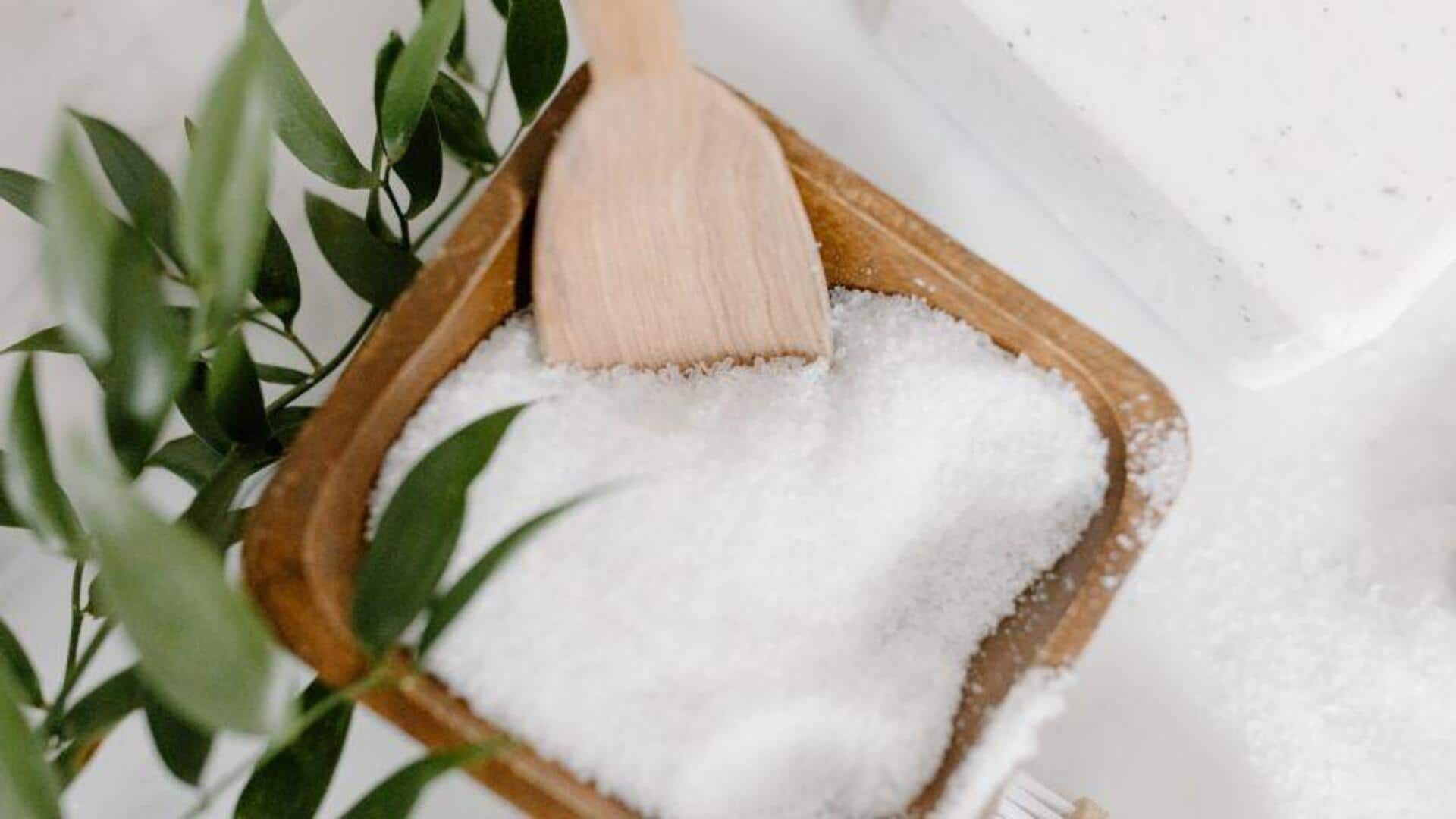
5 myths about salt you should stop believing
What's the story
Salt is one of the most misunderstood ingredients in our kitchen, with many myths surrounding its use and health effects. From enhancing flavor to preserving food, salt has a lot to offer, but some misconceptions have led to confusion about its role in our diet. Let's debunk common myths about salt, and learn the truth behind its use in cooking and health.
#1
Myth: All salts are the same
Many think all salts are the same, but that is not true.
Table salt is usually refined and has additives to prevent clumping.
Sea salt is obtained by evaporating seawater and retains some minerals.
Himalayan pink salt has trace minerals that give it a distinct color.
Each type has its own taste and texture, which can affect how you cook with it.
#2
Myth: Salt causes hypertension
While excessive salt intake can contribute to high blood pressure, it is not the only factor.
Genetics, lifestyle choices, and overall diet play a major role in hypertension.
Moderation is key; most people do not need to drastically reduce their salt intake if they have a balanced diet rich in fruits, vegetables, and whole grains.
#3
Myth: Salt makes you gain weight
Salt itself does not add calories or make you gain weight directly.
However, high-salt foods can make you retain water temporarily, which may show up as weight gain on the scale.
This is usually short-term and goes away once you reduce your sodium intake, or hydrate yourself adequately.
#4
Myth: Salt is bad for everyone
Not everyone has to worry about cutting back on salt for health reasons.
Most healthy adults can safely consume around 2,300 milligrams of sodium per day without any adverse effects.
However, those with certain medical conditions, or who are sensitive to sodium, should consult healthcare professionals for personalized advice.
Tip 1
Myth: Salt enhances all flavors equally
Salt enhances flavors by balancing sweetness and masking bitterness but does not work like magic on every dish.
In desserts like cookies or cakes, too much salt can overpower sweetness instead of enhancing it.
Knowing how different ingredients react with each other helps use salt effectively, without compromising taste quality.