5 healthy sea vegetables to add to your diet
What's the story
Sea vegetables are a staple in many cuisines around the world. These nutrient-rich plants, which grow in oceans, can be a great addition to your pantry. They are packed with vitamins, minerals, and antioxidants that can help you lead a healthier life. Adding sea vegetables to your diet can be an easy way to boost nutrition without changing your eating habits too much. Here are five sea vegetables you should consider adding to your pantry.
Nori
Nori: A versatile seaweed
Nori is a popular seaweed used to make sushi rolls and snacks.
It is rich in vitamins A, C, and B12, as well as minerals like iodine and calcium.
Nori is also high in protein and low in calories, making it an excellent choice for those looking to maintain a balanced diet.
You can use nori sheets as wraps or crumbles to add texture and flavor to salads or soups.
Dulse
Dulse: A nutrient powerhouse
Dulse is a red algae that has been eaten for centuries. It is rich in iron, potassium, magnesium, and trace elements like zinc and copper.
Dulse has a chewy texture with a slightly salty taste that goes well with many dishes.
You can add dulse flakes to your soups or stews or use them as seasoning on roasted vegetables.
Wakame
Wakame: A Japanese favorite
Wakame is another type of seaweed that has gained popularity outside Japan for its health benefits.
It is rich in omega-3 fatty acids, which are good for heart health, along with vitamins K and B2.
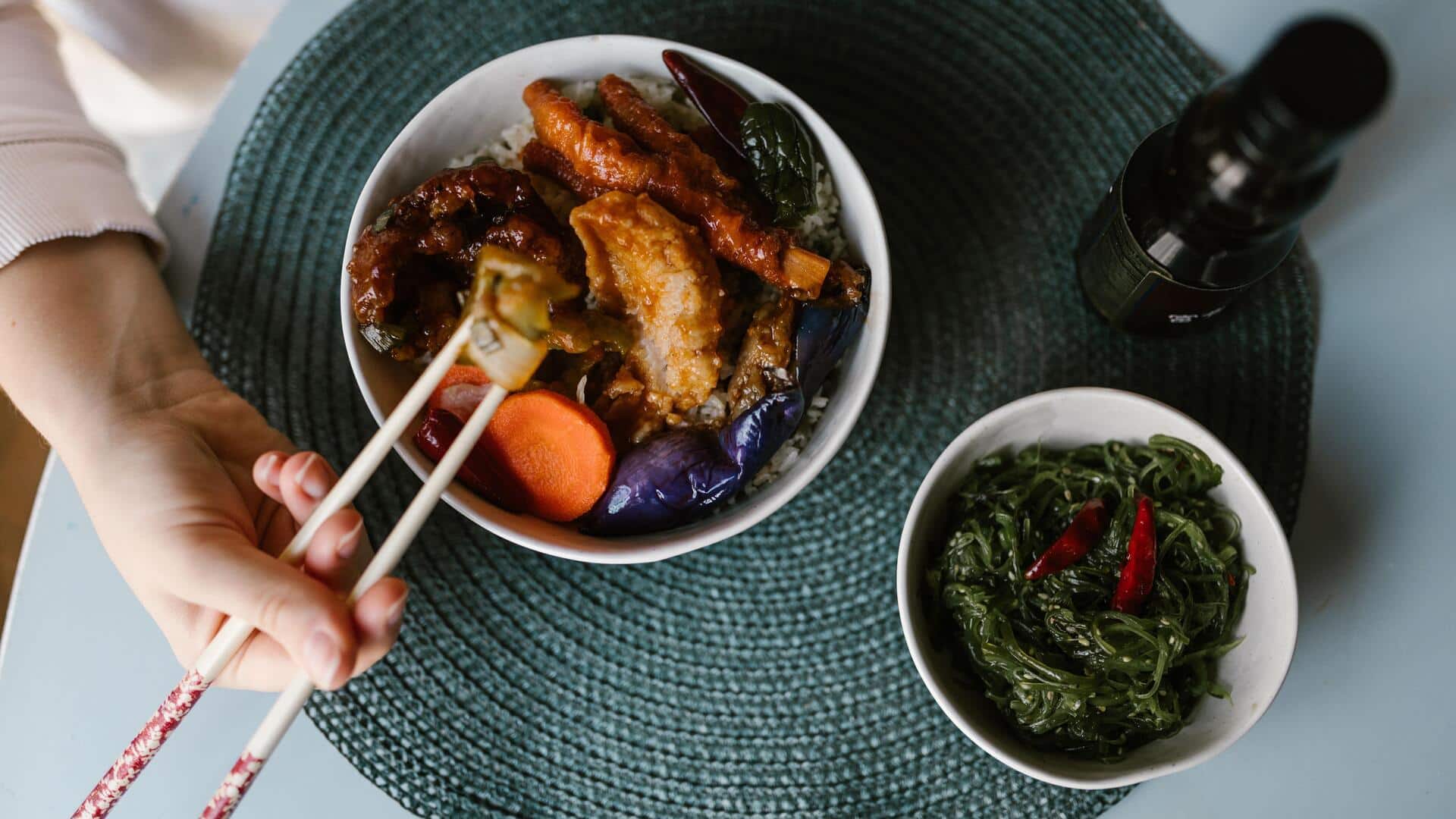
Wakame has a delicate texture that makes it ideal for salads or miso soup.
Its mild flavor makes it blend well with other ingredients without overpowering them.
Kombu
Kombu: Enhancing flavor profiles
Kombu is a type of kelp that is commonly used in Japanese cuisine to make dashi broth. It adds umami flavor while providing essential nutrients such as iodine and calcium.
Kombu can also be added while cooking grains like rice or beans, as it helps soften them while enhancing their natural flavors.
Sea lettuce
Sea lettuce: A fresh addition
Sea lettuce, popularly known as Ulva lactuca, is a bright green leafy alga that resembles the texture of lettuce.
It is rich in vitamins A, C, E, and K, along with minerals like iron and calcium.
Sea lettuce can be eaten raw in salads or lightly cooked with other vegetables, giving a fresh, nutritious touch to your meals.