How to use seaweeds in cooking
What's the story
Seaweeds have long been a staple in many Asian cuisines, but they are now making waves in the global culinary scene. These oceanic plants are not just nutritious but also versatile, adding unique flavors and textures to vegetarian dishes. From enhancing the taste of soups to creating innovative salads, seaweeds offer endless possibilities for chefs and home cooks alike. Here's how seaweeds are changing vegetarian cooking.
Dish 1
Seaweed salads: A fresh twist
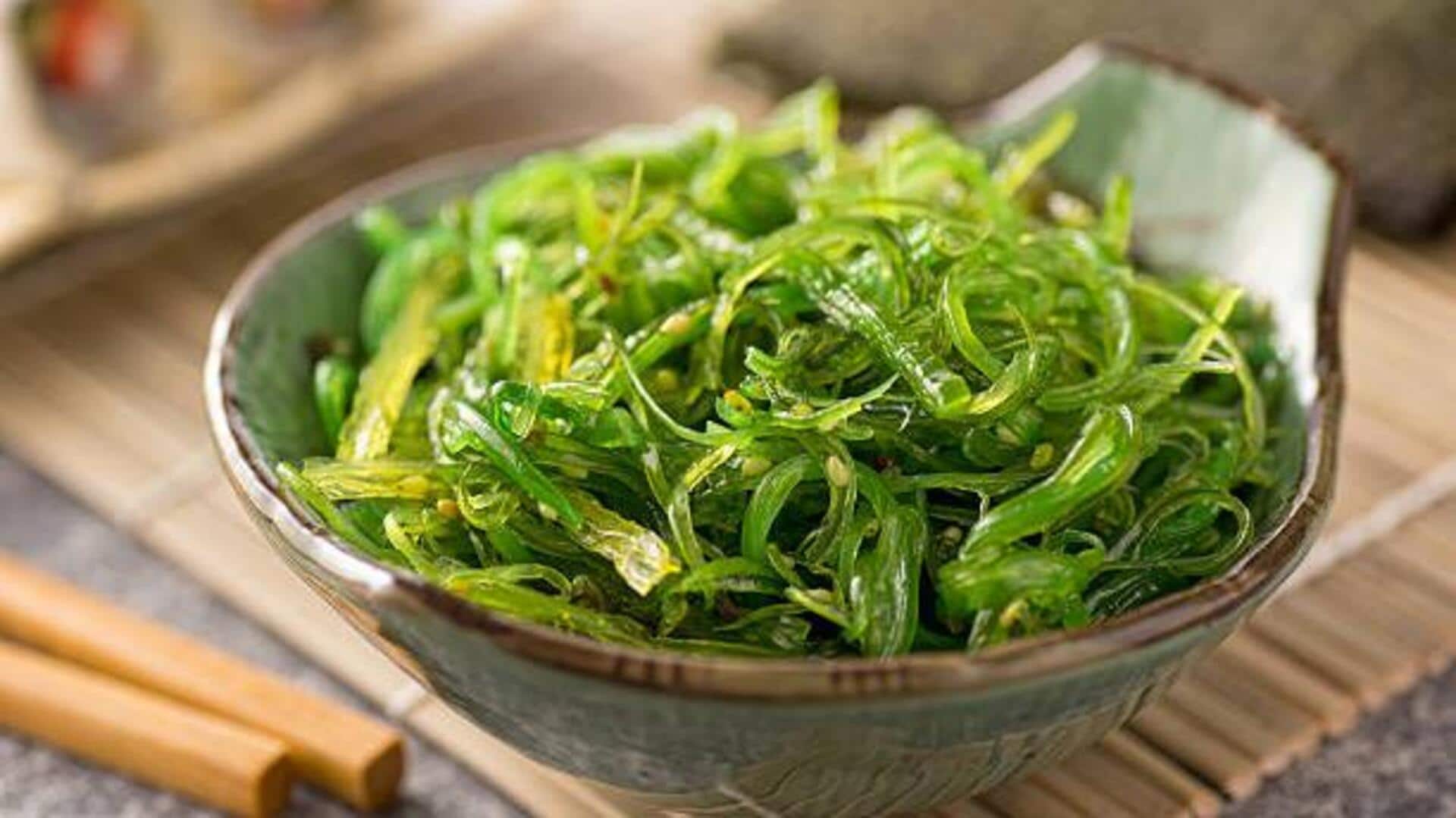
Seaweed salads have become a popular choice for those looking for a light, yet flavorful dish.
Combining different types of seaweeds with fresh vegetables, these salads offer a crunchy texture and umami flavor.
Commonly used seaweeds include wakame and dulse, which can be tossed with ingredients like cucumber, sesame seeds, and a tangy dressing for an invigorating meal option.
Dish 2
Enhancing soups with seaweed
Seaweeds such as nori and kombu are commonly used to enhance the flavor of vegetarian soups.
While kombu adds depth to broths with its rich umami taste, nori can be used as a garnish or blended into the soup for an added layer of complexity.
These additions make simple vegetable soups more robust, without overpowering the natural flavors.
Dish 3
Seaweed wraps: A creative alternative
Seaweed wraps are an innovative alternative to traditional tortillas or bread.
Nori sheets can be filled with an array of ingredients such as rice, tofu, and vegetables to create nutritious wraps.
They are perfect for on-the-go meals or a light lunch option.
The slight brininess of the nori complements the fillings perfectly while adding essential nutrients.
Dish 4
Incorporating seaweed into grains
Adding seaweed to grain dishes is another way to enjoy its benefits.
Mixing finely chopped dulse or wakame into rice or quinoa not only enhances the nutritional value but also adds subtle flavors that go well with other ingredients.
This method works well in pilafs or grain bowls, where you want an extra boost of nutrition without altering the dish's essence.
Tip 1
Tips for cooking with seaweeds
When cooking with seaweeds, it is important to remember that a little goes a long way.
Seaweeds are usually packed with flavors, so use them sparingly at first, and adjust according to taste preferences.
Also, make sure to rinse dried seaweeds well before using them in recipes, as this removes any residual saltiness from processing.