5 ways to practice self-reflection (journaling not included)
What's the story
Self-reflection is a powerful tool for personal growth and understanding. While traditional journaling is a popular method, it is not the only way to engage in self-reflection. There are several creative alternatives that can help you explore your thoughts and emotions in new ways. These methods can provide fresh perspectives and insights, making self-reflection an enriching experience without the need for a pen and paper.
Visual thinking
Mind mapping for clarity
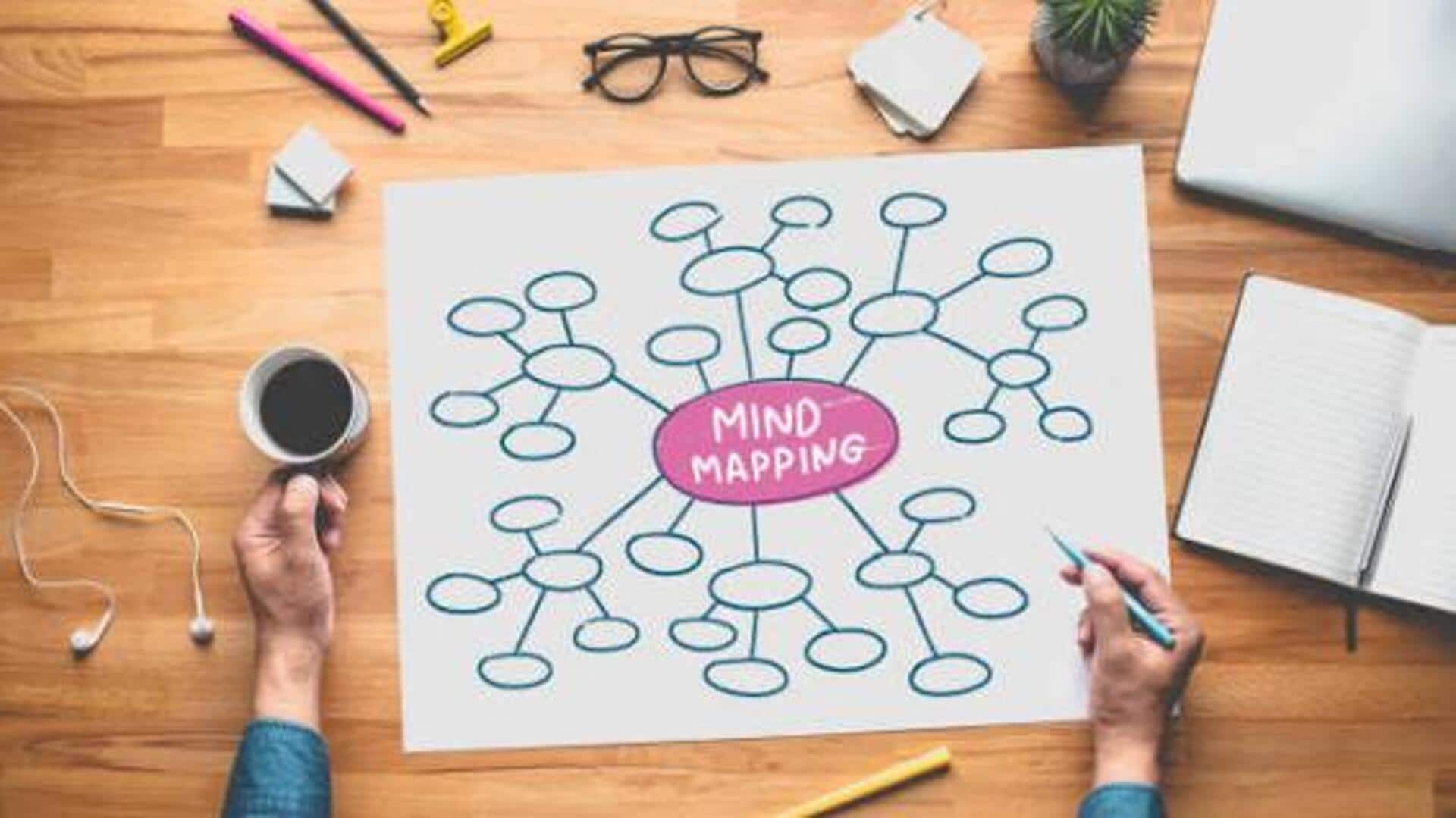
Mind mapping is a visual technique that helps organize thoughts and ideas.
By creating a diagram that connects different concepts, you can gain clarity on complex issues or feelings.
This method encourages free thinking and can reveal patterns or connections you might not have noticed otherwise.
It's particularly useful for those who think visually and prefer a more dynamic approach to reflection.
Sound Capture
Audio recording reflections
Using audio recordings as a means of self-reflection allows you to capture your thoughts in real time.
Speaking out loud can sometimes help articulate feelings better than writing them down.
Listening back to the recordings later provides an opportunity to analyze your thoughts from a different perspective, making it easier to identify recurring themes or changes over time.
Creative expression
Art-based reflection techniques
Engaging in art-based activities like drawing, painting, or crafting can serve as a powerful medium for self-reflection.
These creative outlets allow individuals to express emotions that may be difficult to articulate verbally.
The process of creating art encourages mindfulness and helps in processing complex feelings by translating them into visual forms.
Outdoor mindfulness
Nature walks as reflective practice
Taking a walk in nature provides an opportunity to reflect away from the distractions of daily life.
The calmness of natural surroundings promotes mindfulness, making it easier to focus on your thoughts.
This practice not only encourages physical activity, but also provides mental space to think deeply about personal experiences or challenges.
Online narratives
Digital storytelling methods
Digital storytelling involves using multimedia tools like videos or slideshows to narrate personal stories or experiences.
This method allows for the integration of visuals, audio, and text, creating a rich narrative that captures the essence of one's thoughts and feelings.
It offers an innovative way to reflect on personal journeys by combining technology with creativity.