Skipping v/s swimming: Which is better for your heart?
What's the story
Skipping and swimming are two popular forms of cardiovascular exercise, each offering unique benefits for heart health. Both activities can improve cardiovascular fitness, but they do so in different ways. While skipping is a high-intensity workout that can be done almost anywhere, swimming provides a low-impact, full-body workout. Here's a look at how skipping and swimming affect cardiovascular health, helping you choose the right exercise for your needs.
#1
Intensity and calorie burn
Skipping is known for its high intensity and calorie-burning potential. A 70 kg person can burn approximately 660 calories per hour while skipping at a moderate pace.
The intensity of skipping also boosts heart rate quickly, making it an effective workout for those looking to lose weight or improve endurance in a short time.
However, swimming offers a more gradual increase in heart rate due to its low-impact nature.
#2
Impact on joints
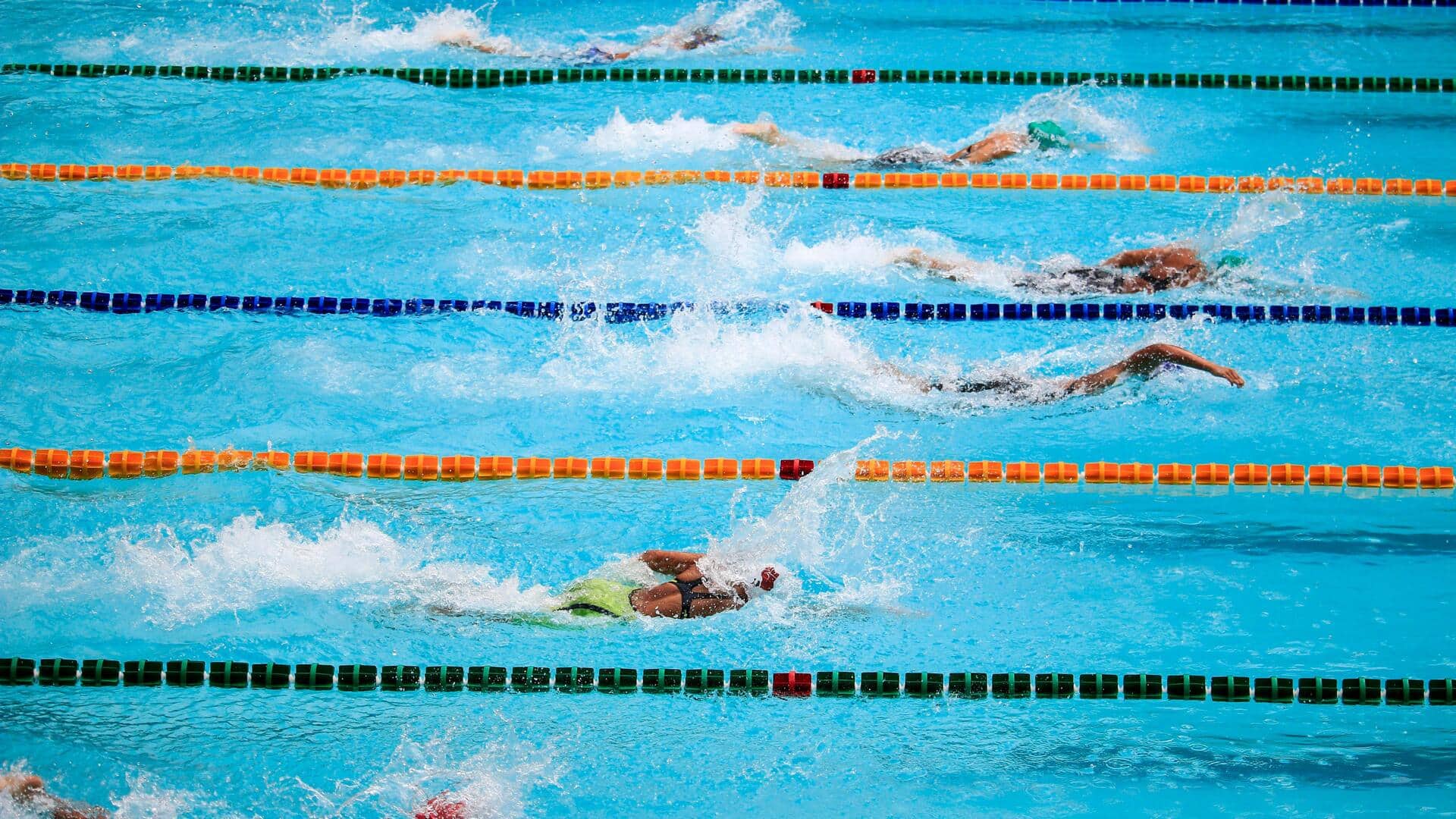
Swimming is often recommended for people with joint issues or those recovering from injuries because it is low-impact.
It reduces stress on joints while still providing a great cardiovascular workout.
Skipping, on the other hand, involves repetitive jumping, which may strain the knees and ankles over time if not done with proper technique and footwear.
#3
Accessibility and convenience
One of the biggest advantages of skipping is that it requires minimal equipment—a rope—and can be done almost anywhere, indoors or outdoors.
This makes it accessible for people without access to a pool or gym facilities.
Swimming requires access to a pool or open water body, which might not be available to everyone depending on their location.
#4
Muscle engagement differences
Swimming engages multiple muscle groups at once as you move through water resistance, making it an excellent full-body workout.
It strengthens muscles in arms, legs, back, and core simultaneously.
Skipping mainly works out the calves, thighs, and glutes, but also improves coordination skills as you maintain rhythm with each jump.