Skydiving over the Great Rift Valley: A guide
What's the story
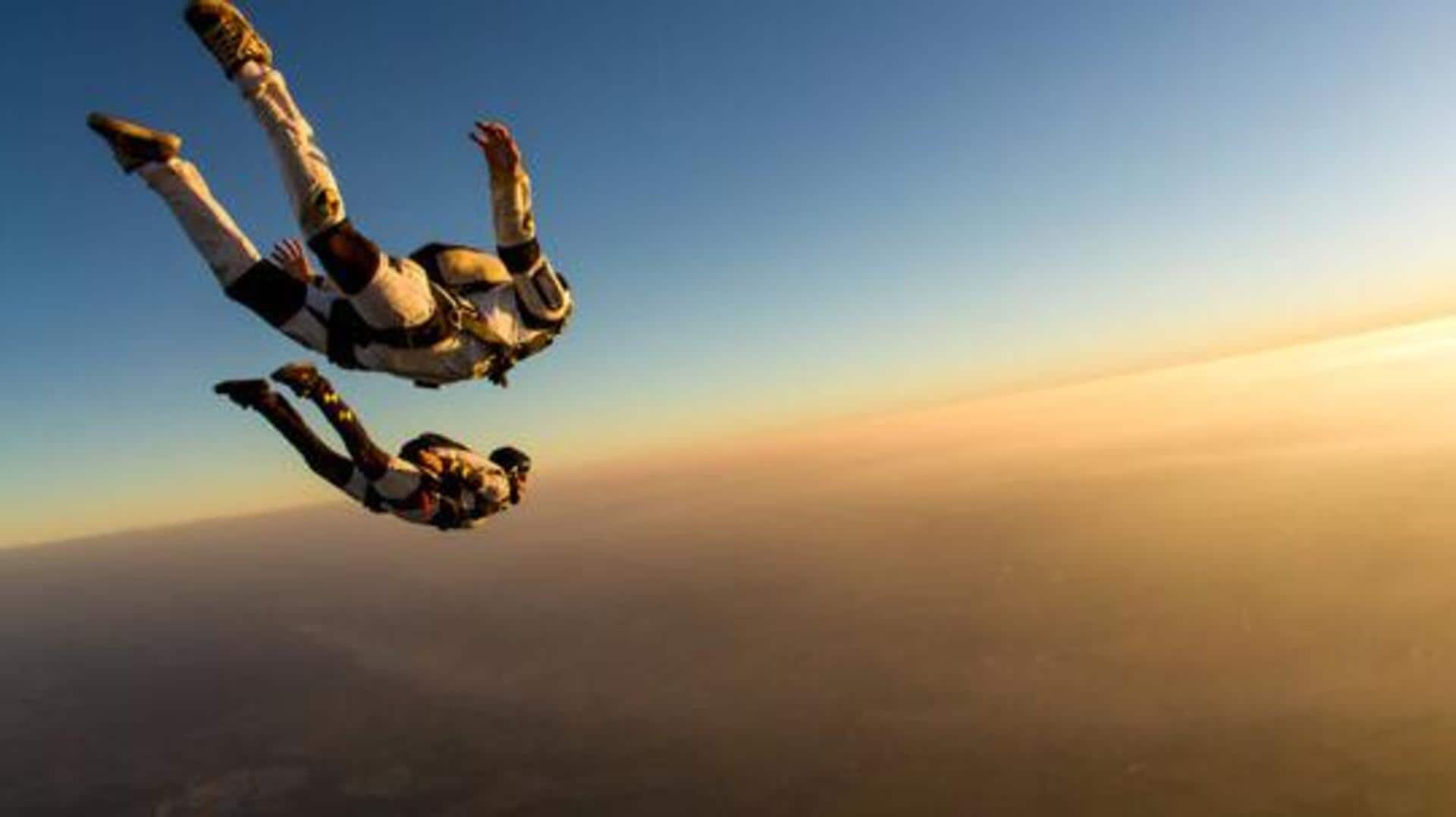
Skydiving over the Great Rift Valley in Kenya is an experience like no other. The vast landscape, rich in wildlife and natural beauty, provides a breathtaking backdrop for adventure seekers. As you leap from the plane, the expansive valley unfolds beneath you, showcasing its unique geological features and vibrant ecosystems. This thrilling activity combines the adrenaline of freefall with the awe of one of Africa's most iconic regions.
Timing
Best time for skydiving
The best time to go skydiving over the Great Rift Valley is during Kenya's dry seasons from late December to March, and June to October. These months offer clear skies and minimal rainfall, ensuring optimal visibility and safety. The weather conditions are generally stable during these periods, making it ideal for both beginners and experienced skydivers looking to enjoy this stunning aerial view.
Safety
Safety measures in place
Safety is paramount when it comes to skydiving in Kenya's Great Rift Valley. Reputed operators follow strict safety protocols, including regular equipment checks, and thorough pre-jump briefings. Participants are required to wear safety gear, including helmets and parachutes with reserve systems. Experienced instructors accompany first-timers, ensuring they understand all procedures before taking the leap.
Budgeting
Cost considerations for skydiving
The cost of skydiving over the Great Rift Valley varies depending on factors such as the altitude of the jump, the type of package chosen (tandem or solo), and additional services like photography or video recording. On average, prices range from $200 to $500 per person. It is advisable to book in advance and compare different operators to find a package that fits your budget while ensuring quality service.
Preparation
Preparing for your jump experience
Preparation is key for a successful skydiving experience over Kenya's Great Rift Valley. Dress comfortably in weather-appropriate clothing that allows ease of movement during your jump. Hydrate well before your flight, but avoid heavy meals that could cause discomfort during freefall or landing. Listen carefully during pre-jump briefings by instructors, who will guide you through every step of this exhilarating adventure.