Planning a desert skydive? Here's all you need to know
What's the story
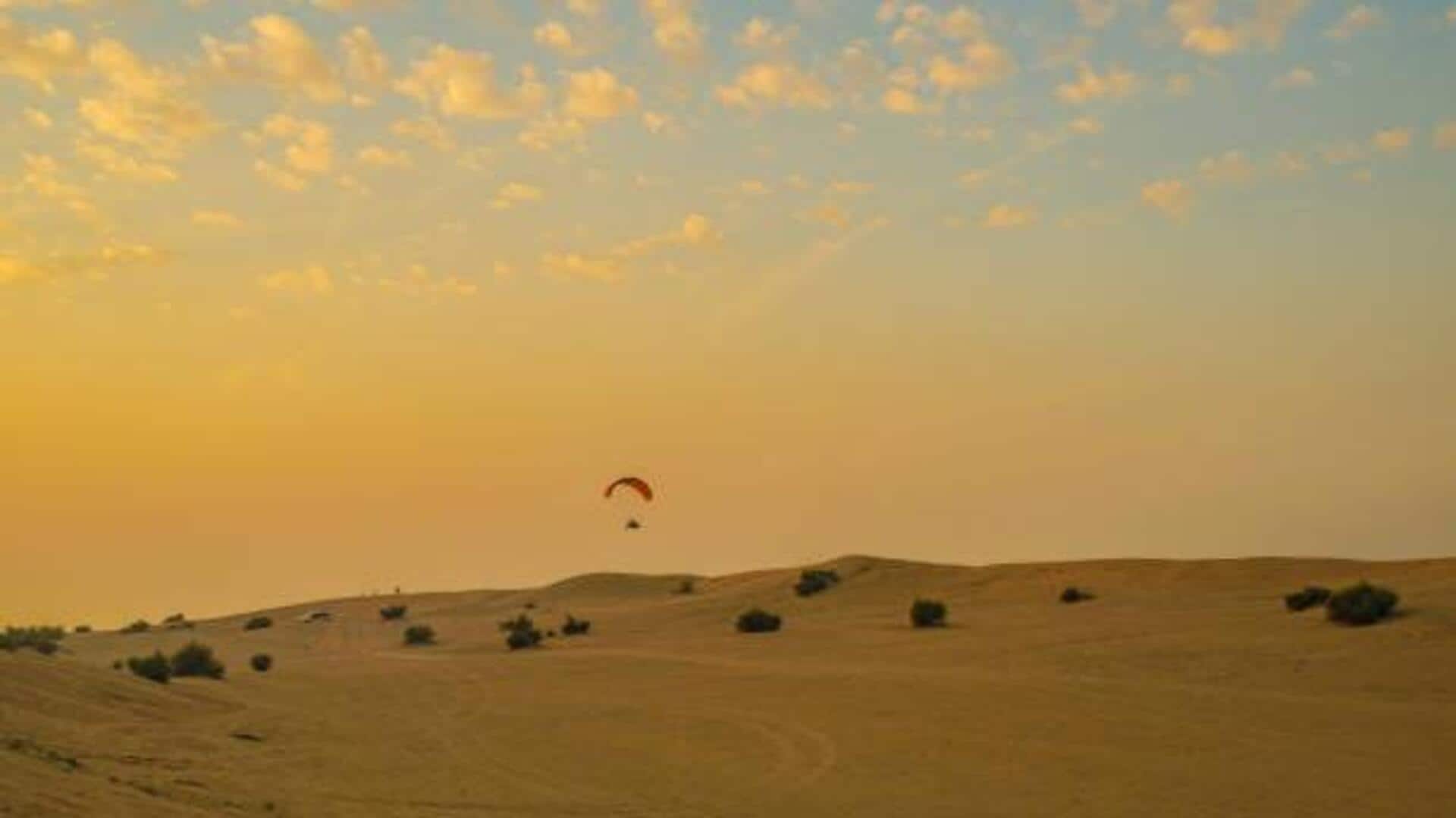
Skydiving over the Namib Desert is an experience that combines the thrill of freefalling with the breathtaking beauty of one of the world's oldest deserts. The vast, sandy landscapes, and dramatic dunes provide a stunning backdrop for adventurers seeking an unforgettable experience. As you plunge from thousands of feet above, the unique terrain unfolds beneath you, offering a perspective few ever get to see. Here's what makes this adventure so special.
Timing
Best time to go skydiving
The best time to go skydiving over the Namib Desert is during the dry season, which lasts from May to September.
During these months, the weather conditions are most favorable, with clear skies and minimal wind. This ensures a smoother descent and better visibility for the jumpers.
The temperatures during this period are also cooler, making it more comfortable for those taking part in this thrilling activity.
Experience
What to expect during your jump
Participants can expect to jump from altitudes of around 10,000 feet or higher.
The freefall lasts for about 30 seconds before deploying parachutes at around 5,000 feet.
Jumpers can enjoy panoramic views of the desert landscape as they descend slowly toward landing zones designated by operators.
Safety briefings and equipment checks are standard procedures before each jump.
Safety first
Safety measures in place
Safety is paramount in skydiving operations over the Namib Desert.
All participants must undergo thorough training sessions covering emergency procedures and equipment usage.
Experienced instructors accompany first-time jumpers throughout their adventure.
Regular maintenance checks on parachute gear further ensure safety standards are met consistently.
Tips
Tips for first-time jumpers
First-time skydivers should wear comfortable clothing suitable for changing temperatures at high altitudes.
Closed-toe shoes are recommended to protect feet during landing.
Hydration is key; drink plenty of water before your jump, but avoid heavy meals within two hours prior to avoid discomfort during freefalling.