
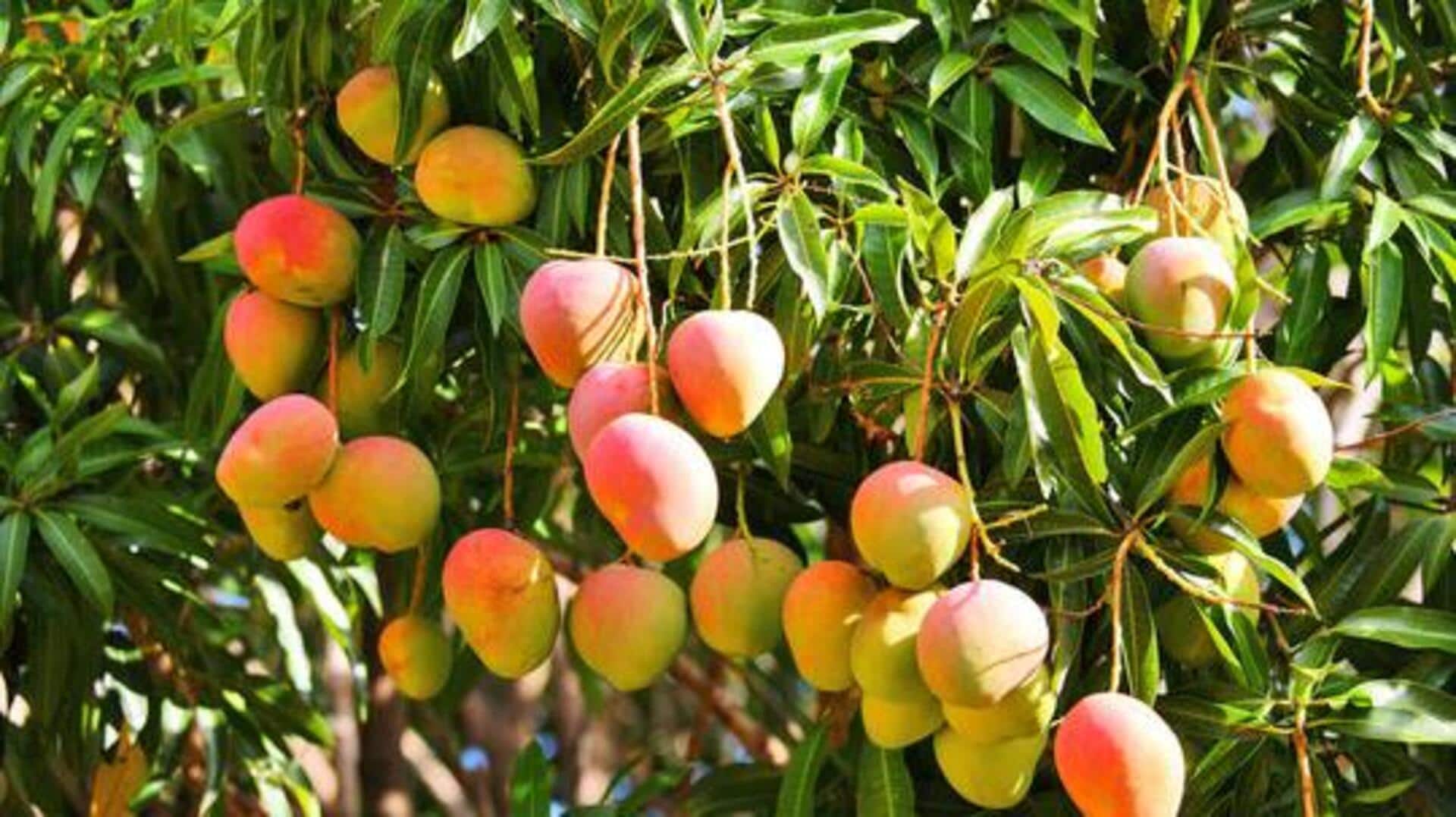
Why you should add bush mango to your diet
What's the story
African bush mango, also known as wild mango or Irvingia gabonensis, is a fruit native to West Africa. The fruit has gained attention for its potential health benefits, particularly in relation to cholesterol management. The seeds of the African bush mango are rich in fiber and other nutrients that may help support heart health. Here's how this unique fruit can be incorporated into your diet to potentially improve cholesterol levels.
#1
Nutritional profile of African bush mango
African bush mango is loaded with essential nutrients like fiber, vitamins A and C, and healthy fats. The high fiber content helps regulate digestion and can help lower cholesterol levels by reducing the absorption of fats in the bloodstream. Vitamins A and C are antioxidants that protect cells from damage. Healthy fats support cardiovascular health when consumed as part of a balanced diet.
#2
How fiber helps lower cholesterol
Fiber is an important nutrient for heart health as it helps lower bad cholesterol (LDL) levels. Soluble fiber binds with cholesterol in the digestive system and removes it from the body before it enters the bloodstream. African bush mango is a great source of soluble fiber, making it an ideal addition to a heart-healthy diet.
#3
Incorporating African bush mango into your diet
Adding African bush mango to your diet can be simple and delicious. You can eat its flesh raw or add it to smoothies for a nutrient boost. The seeds can be ground into a powder and used as a thickening agent in soups or stews, or sprinkled over salads for added texture and nutrition.
#4
Potential health benefits beyond cholesterol
Apart from possibly lowering cholesterol, African bush mango may also offer other health benefits. Research indicates that it may help with weight management by curbing appetite and increasing metabolism. Its antioxidant properties may also help reduce inflammation in the body, contributing to overall well-being when included as part of a balanced diet.