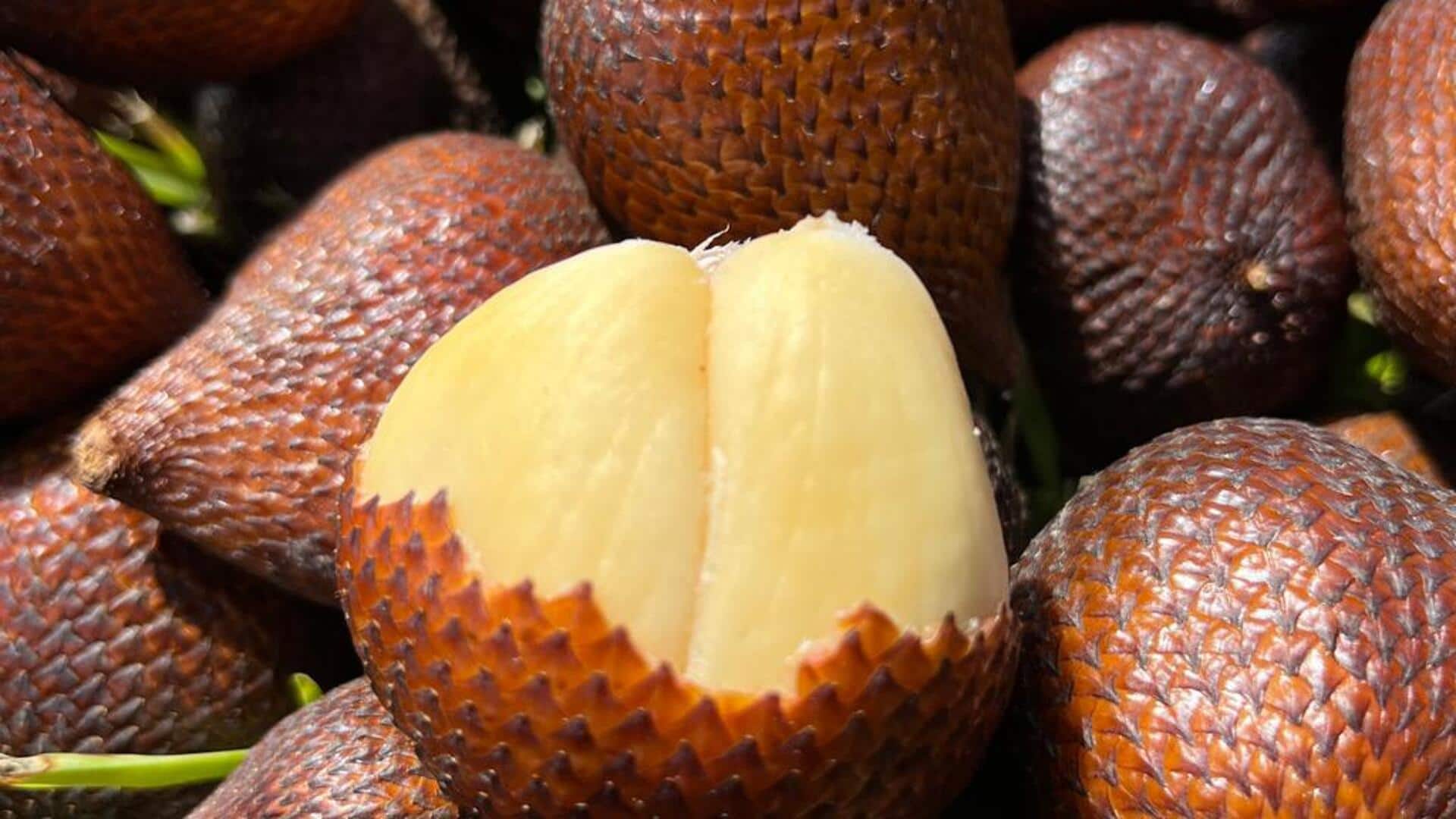
Snake fruit or langsat: Which is more nutritious?
What's the story
Snake fruit and langsat are two tropical fruits that have been gaining popularity for their unique flavors and nutritional benefits. While both the fruits are packed with vitamins and minerals, they also offer different health benefits. Here, we take a closer look at the nutritional profiles of snake fruit and langsat, and how they can contribute to a healthy diet.
#1
Vitamin content in snake fruit
Snake fruit is rich in vitamin C, which is essential for boosting immunity and skin health. A serving of snake fruit can give you about 10% of your daily recommended intake of vitamin C. It also has small amounts of other vitamins like vitamin A, which helps in improving vision and skin health. Eating snake fruit can be an easy way to add more vitamins to your diet.
#2
Langsat's mineral profile
Langsat is known for its high mineral content, especially potassium and calcium. Potassium is important for heart health and regulating blood pressure, while calcium is important for bone health. A serving of langsat can provide a good amount of these minerals, making it a good choice for anyone looking to boost their mineral intake naturally.
#3
Antioxidant properties of Snake fruit
Snake fruit is also loaded with antioxidants, which are essential for fighting free radicals in the body. These antioxidants can help reduce oxidative stress and lower the risk of chronic diseases. Eating antioxidant-rich foods like snake fruit can be a good way to keep your cells healthy and promote overall well-being.
#4
Health benefits associated with langsat
Eating langsat has been associated with several health benefits, including improved digestion due to its fiber content. Fiber helps keep bowel movements regular and prevents constipation. Langsat also has anti-inflammatory properties that may help reduce inflammation in the body when consumed regularly as part of a balanced diet.