These solar-powered items can make travel easier
What's the story
Exploring Africa's diverse landscapes is an adventure like no other. From deserts, forests, and mountains, the continent has it all. Solar-powered travel gear can make your journey more sustainable and convenient. These tools harness the sun's energy, ensuring you have access to power wherever you go. Here are some essential solar-powered items that can enhance your African adventure.
Portable power
Solar chargers for devices
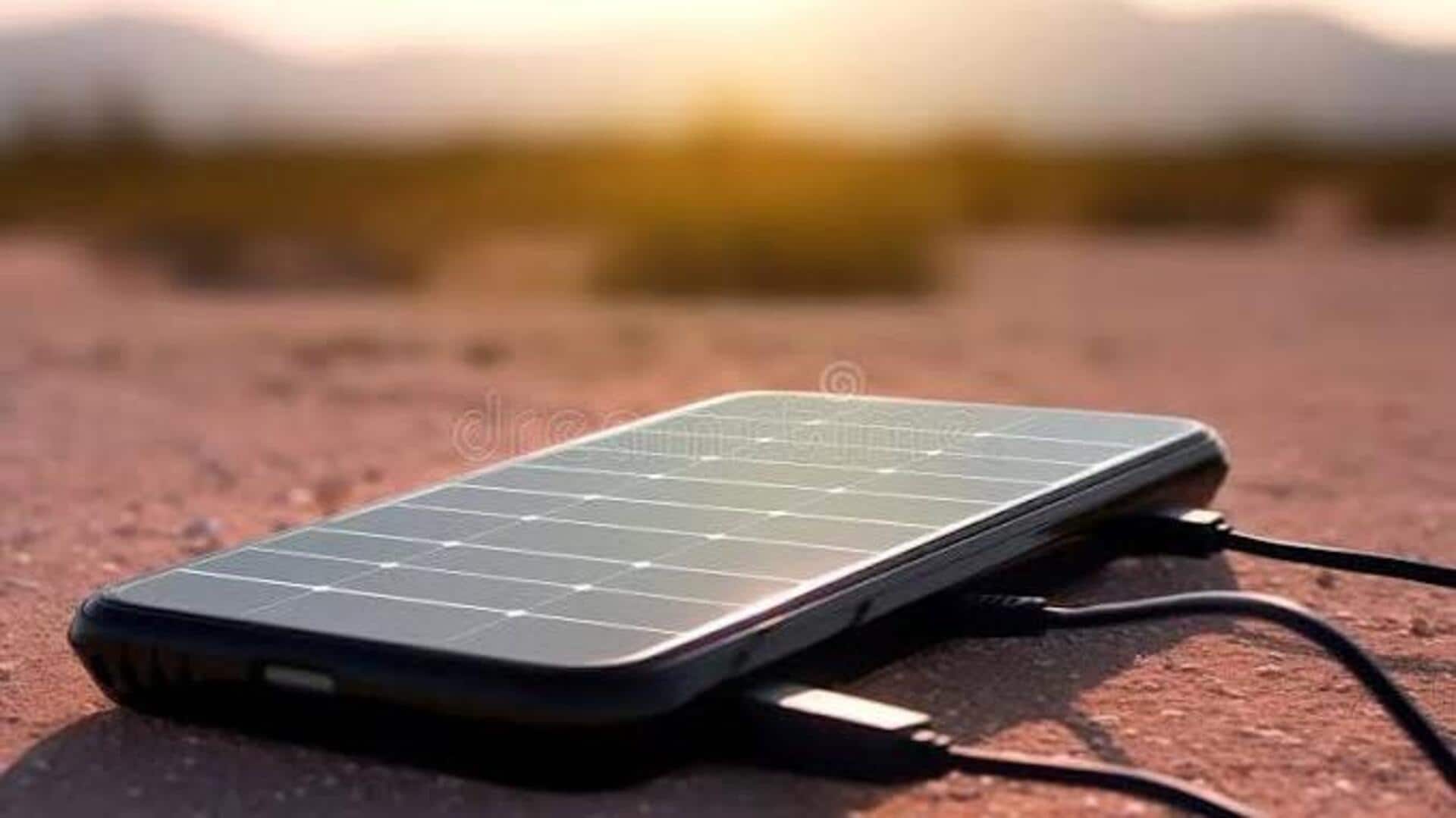
Solar chargers are a must-have for anyone traveling through Africa. They keep your devices charged without relying on traditional power sources.
Most solar chargers are lightweight and portable, making them easy to carry around. They come with USB ports to charge smartphones, tablets, and other small electronics directly from sunlight.
Light source
Solar-powered lanterns
Solar-powered lanterns are perfect for illuminating campsites or lodges at night. They soak up sunlight during the day and light up your space after sunset.
These lanterns are often waterproof and durable, making them ideal for outdoor use in various weather conditions.
Clean drinking water
Solar water purifiers
Access to clean drinking water is a major concern while traveling in remote areas of Africa.
Solar water purifiers use ultraviolet light from the sun to kill bacteria and other contaminants in water sources.
This way, you can safely drink water from rivers or streams without carrying heavy bottled water.
Energy on-the-go
Solar backpacks with built-in panels
Solar backpacks come with built-in panels that convert sunlight into energy as you walk around.
This energy can be used to charge devices on the go, without having to stop and set up a separate solar charger.
The backpacks are designed for comfort, with padded straps and multiple compartments for storage.
Eco-friendly cooking
Solar-powered cooking solutions
Solar cookers use direct sunlight to heat food without any fuel consumption.
These cookers are perfect for preparing meals while camping or hiking through Africa's vast terrains.
They offer an eco-friendly alternative to traditional cooking methods that require firewood or gas.