
Speed skating v/s orienteering: Which is more challenging?
What's the story
Speed skating and orienteering are two distinct sports that test athletes in different ways. While speed skating is all about speed and precision on ice, orienteering is a combination of navigation skills and endurance in varied terrains. Both sports require a unique set of physical and mental skills, making them challenging in their own right. Here's a look at the challenges posed by both sports.
#1
The precision of speed skating
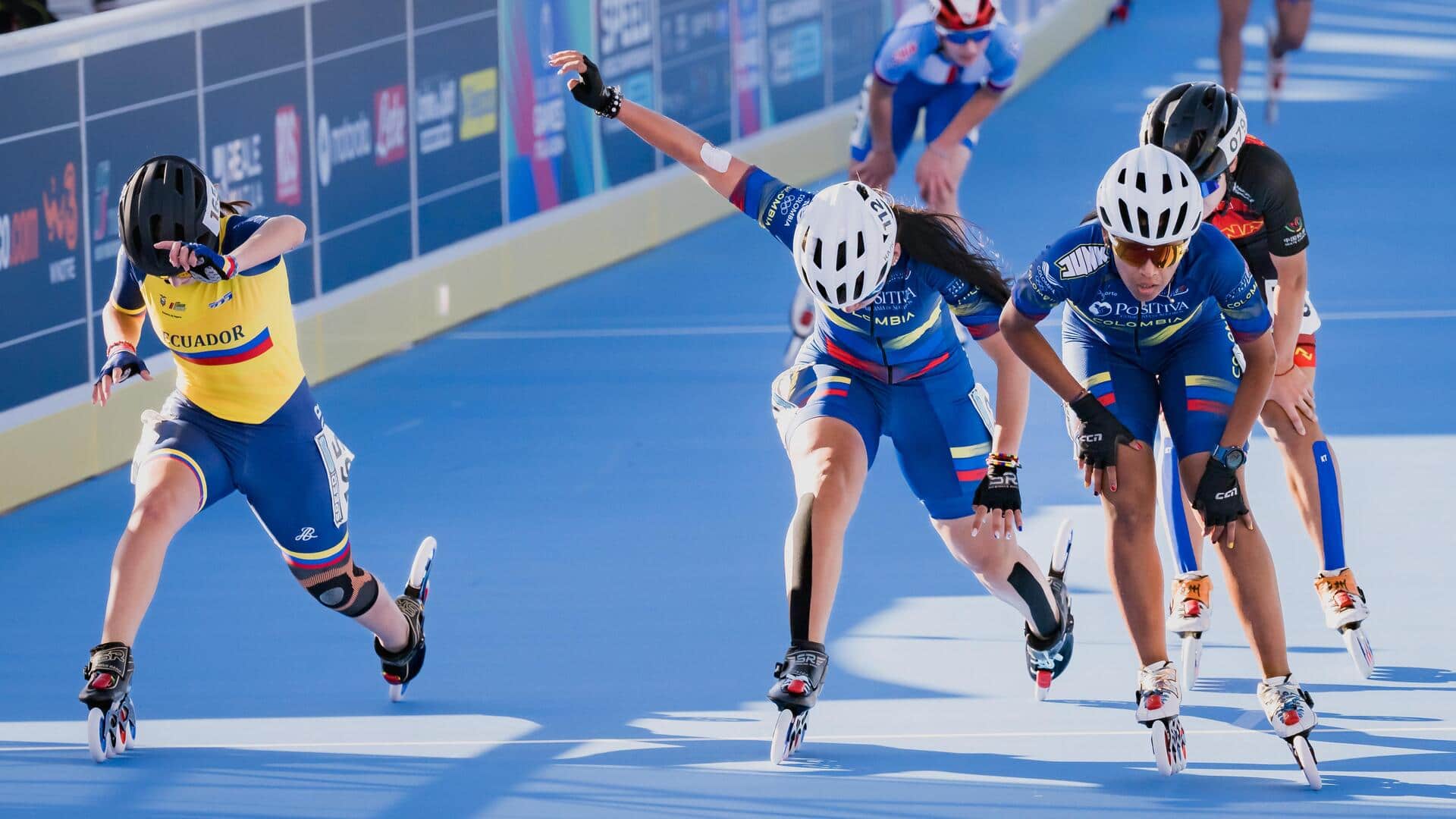
Speed skating demands precision in every move. Athletes need to master balance and coordination to glide smoothly on ice. The sport also requires explosive power for quick starts and sustained endurance for long races. Skaters must constantly adjust their technique to maintain optimal speed while navigating turns at high velocities. The mental focus required to anticipate competitors' moves adds another layer of complexity.
#2
Navigational skills in orienteering
Orienteering challenges athletes with its emphasis on navigation skills over physical speed alone. Competitors must read maps accurately, interpret terrain features, and make quick decisions about the best routes through unfamiliar landscapes. This sport tests both mental agility and physical endurance as participants traverse varied environments under time constraints.
#3
Endurance challenges in both sports
Endurance is key in both speed skating and orienteering. While speed skaters need stamina for prolonged exertion on ice, orienteers must be ready for hours of traversing through diverse terrains. The cardiovascular demands are high in both cases, requiring rigorous training regimes to build up endurance levels over time.
#4
Mental focus required for success
Mental focus is key to succeeding in speed skating and orienteering. In speed skating, it is important to remain focused on the ice, where a moment's lapse in concentration can lead to a fall or collision. In orienteering, it is important to remain focused on the map and surroundings, as a single mistake can lead to a wrong turn and a longer route.