Starchy fruits that can do more than you think
What's the story
Starchy fruits are a vegetarian cook's best friend, providing a versatile ingredient option for a range of dishes. These fruits are not just filling but also add texture and flavor to your meals. From savory to sweet, starchy fruits can be used in several recipes, making them an essential part of vegetarian cooking. Here's a look at some starchy fruits that can amp up your culinary creations.
Drive 1
Bananas: A versatile staple
Bananas are one of the most versatile starchy fruits, used in both sweet and savory dishes.
They can be mashed into pancakes or baked into bread, giving moisture and sweetness.
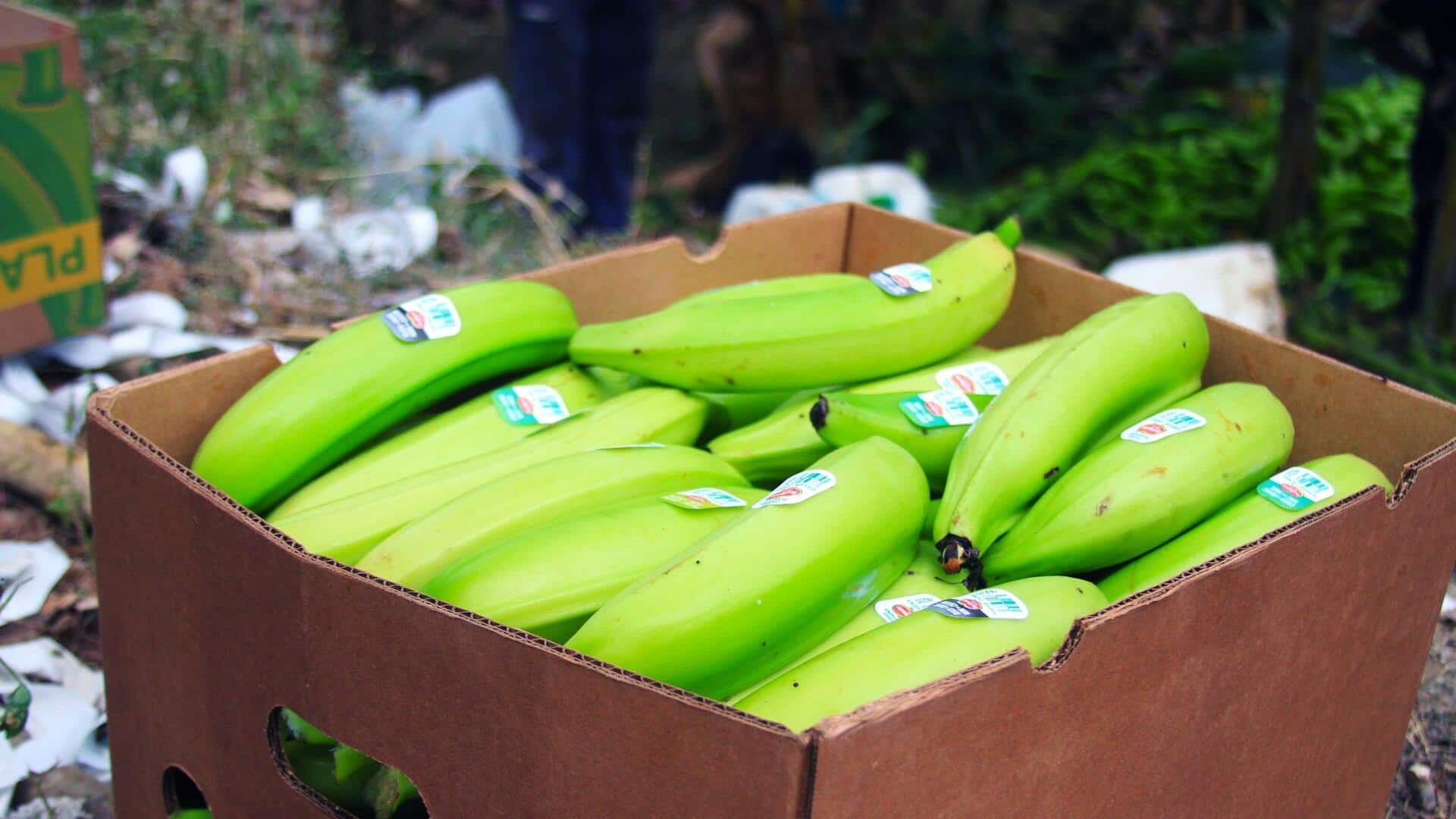
Green bananas can be cooked like potatoes, providing a neutral base for curries and stews.
Rich in potassium, they make an excellent energy source for active lifestyles.
Drive 2
Plantains: The savory alternative
Similar to bananas but starchier, plantains are ideal for savory preparations.
When ripe, they can be fried to make crispy chips or roasted as a side dish.
Unripe plantains can be boiled or mashed, just like potatoes.
Their subtle flavor makes them a great pair with spices and herbs, adding depth to vegetarian recipes.
Drive 3
Sweet potatoes: Nutrient-rich delight
Sweet potatoes are not just delicious but also packed with nutrients like vitamin A and fiber.
They can be baked, roasted, or mashed into soups for a creamy texture without dairy.
Their natural sweetness goes well with spices like cinnamon or nutmeg in desserts, but also balances savory flavors in casseroles and curries.
Drive 4
Cassava: A gluten-free option
Cassava is a root vegetable that is commonly used in gluten-free cooking. It is ground into flour for baking bread or thickening soups.
When boiled or fried, cassava gives a chewy texture similar to that of tapioca pearls used in puddings or bubble tea drinks.
This versatile ingredient adds variety to vegetarian diets without sacrificing taste.
Drive 5
Taro root: A unique flavor profile
Taro root has a unique nutty flavor that goes well with both sweet and savory dishes. It is commonly used in Asian cuisines as an ingredient for soups or desserts like taro ice cream.
The high fiber content helps with digestion while providing essential vitamins like vitamin E that promote skin health.