5 benefits of jasmine you should know
What's the story
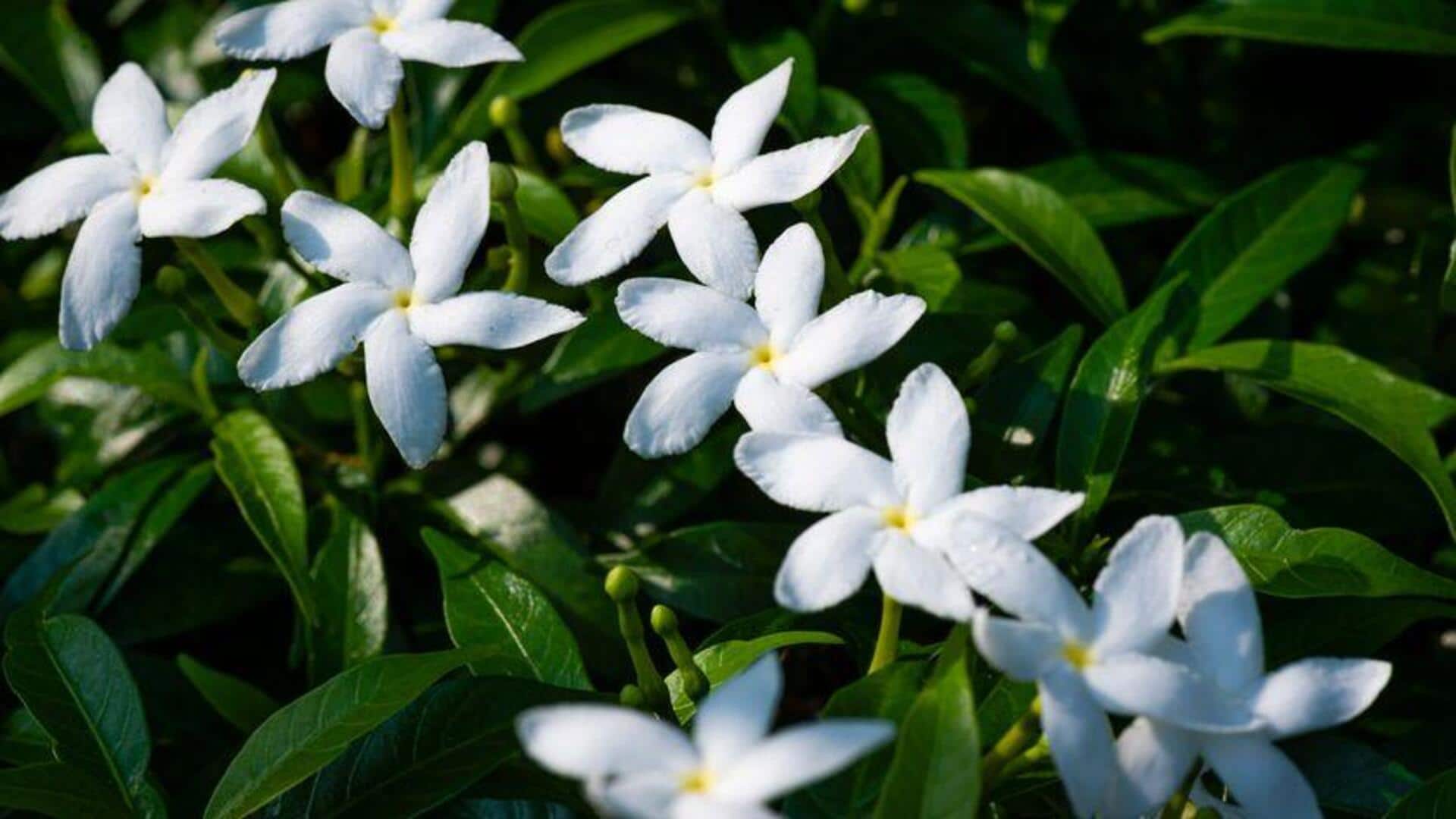
African jasmine, with its sweet fragrance and delicate flowers, is more than just a pretty plant. Native to Africa, this plant is known for its aromatic properties and is used in various traditional practices. While most of us know about its beauty, there are several other benefits of African jasmine that remain unexplored. Here are some surprising benefits of this wonderful plant.
Tip 1
Natural air freshener
African jasmine's sweet scent makes it a natural air freshener.
The flowers release a fragrance that can help mask unpleasant odors indoors.
By placing the plant in living spaces, one can enjoy a continuous flow of fresh air without relying on synthetic sprays or chemicals.
This natural method not only enhances the ambiance but also contributes to a healthier indoor environment.
Tip 2
Stress relief aid
The soothing aroma of African jasmine is known to have stress-relieving properties.
Its fragrance can help calm the mind and reduce anxiety levels when used in aromatherapy practices.
Inhaling the scent or using it in essential oil diffusers can create a relaxing atmosphere, making it easier to unwind after a long day.
Tip 3
Skin care benefits
African jasmine is also used in skincare products because of its potential benefits for the skin.
The plant's extracts are said to have moisturizing properties that can help keep the skin soft and supple.
Additionally, its antioxidants may help protect against environmental damage, making it a valuable addition to natural skincare routines.
Tip 4
Enhances sleep quality
Using African jasmine before bedtime may improve sleep quality.
Its calming scent has been associated with promoting relaxation and reducing insomnia symptoms.
By placing the plant near your sleeping area, or using its oil in bedtime rituals, you may find it easier to fall asleep and enjoy deeper rest throughout the night.
Tip 5
Supports pollinators
African jasmine plays an important role in supporting local ecosystems by attracting pollinators like bees and butterflies.
By growing this plant in gardens or outdoor spaces, you contribute positively toward maintaining biodiversity within your area.
The presence of such plants helps sustain healthy populations of these essential creatures, who play vital roles in pollination processes across various ecosystems worldwide.