
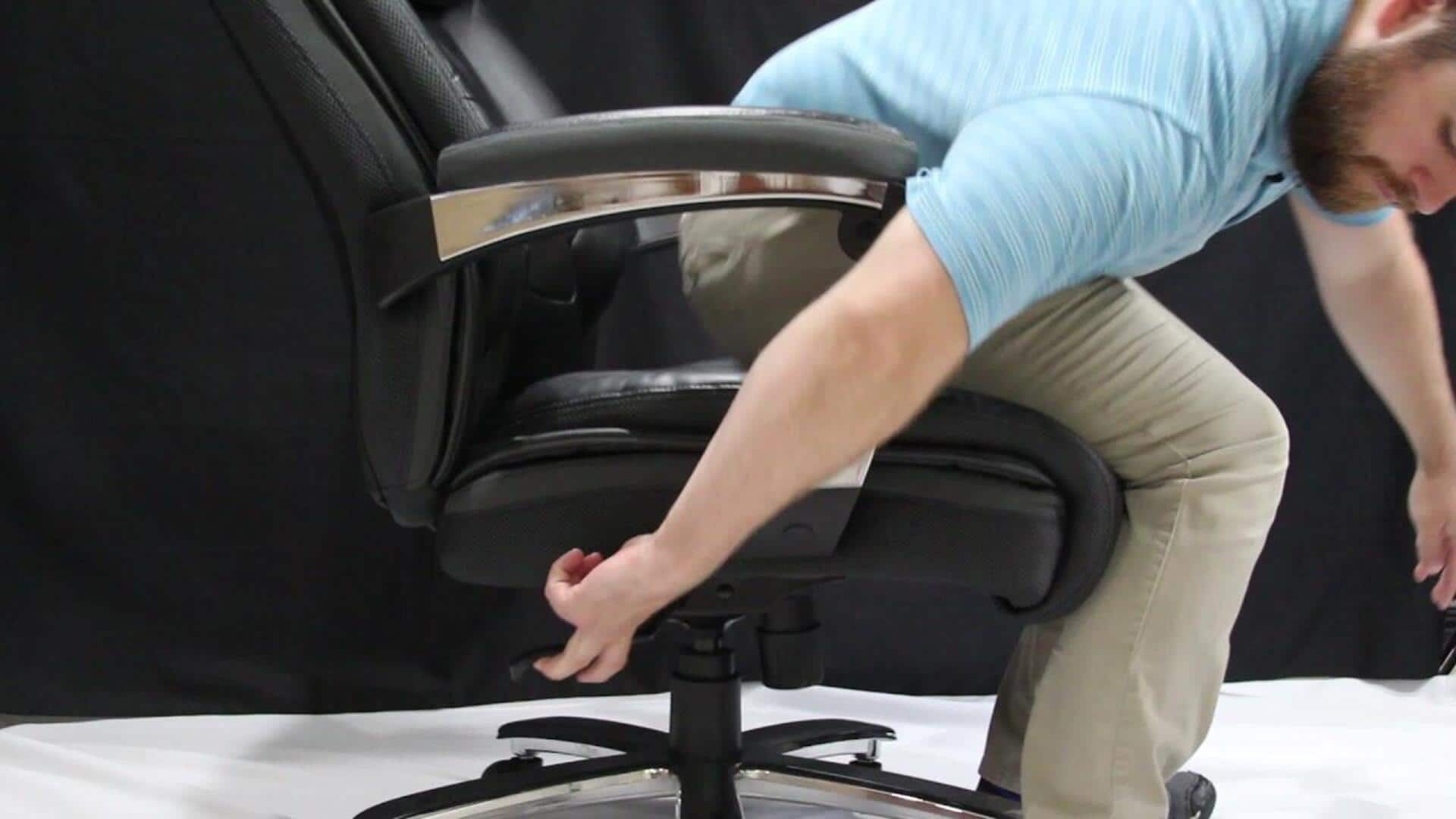
Swiveling your desk chair isn't just a boring work
What's the story
Swiveling your desk chair may seem like a mundane activity, but it has a lot of benefits that go beyond just comfort. This simple movement can help improve posture, increase flexibility, and even boost productivity. By incorporating chair swiveling into your daily routine, you can experience several health benefits without having to invest in expensive equipment or spend hours at the gym. Here are five surprising benefits of this often-overlooked practice.
Core stability
Enhances core stability
Swiveling in your chair engages the core muscles, helping strengthen them over time. These muscles are important for maintaining balance and supporting the spine. By regularly swiveling, you can improve your core stability, which in turn reduces the risk of back pain and injury.
Circulation boost
Improves circulation
Swiveling your chair also promotes better blood circulation throughout the body. The movement stimulates blood flow, which helps deliver oxygen and nutrients to various tissues more efficiently. Improved circulation can lead to increased energy levels and reduced fatigue during long working hours.
Flexibility gain
Increases flexibility
Regularly swiveling in a chair can also improve flexibility by gently stretching the muscles around the hips and lower back. This increased flexibility helps prevent stiffness and discomfort that often comes from sitting for extended periods. Over time, it may also contribute to greater overall mobility.
Mental focus
Supports mental focus
The rhythmic motion of swiveling can also help keep your mind alert and focused on tasks at hand. This repetitive action provides a break from static positions while keeping you engaged with work-related activities. As a result, it may enhance concentration levels without causing distraction.
Spontaneous movement
Encourages spontaneous movement
Incorporating chair swiveling into your routine encourages spontaneous movement throughout the day. This breaks up long stretches of inactivity associated with sedentary lifestyles. These movements promote physical activity without requiring significant time commitments or changes to daily schedules. They make them easily adaptable even within busy work environments.