Tai chi or swimming: Which one to choose?
What's the story
Tai chi and swimming are two popular activities that help relieve stress. While both have their own benefits, they also offer unique ways to relax and rejuvenate. Tai chi, an ancient Chinese martial art, focuses on slow movements and deep breathing. Swimming, on the other hand, is a full-body workout that can be both invigorating and calming. Here is a look at how each of these activities helps relieve stress.
#1
The calming flow of Tai Chi
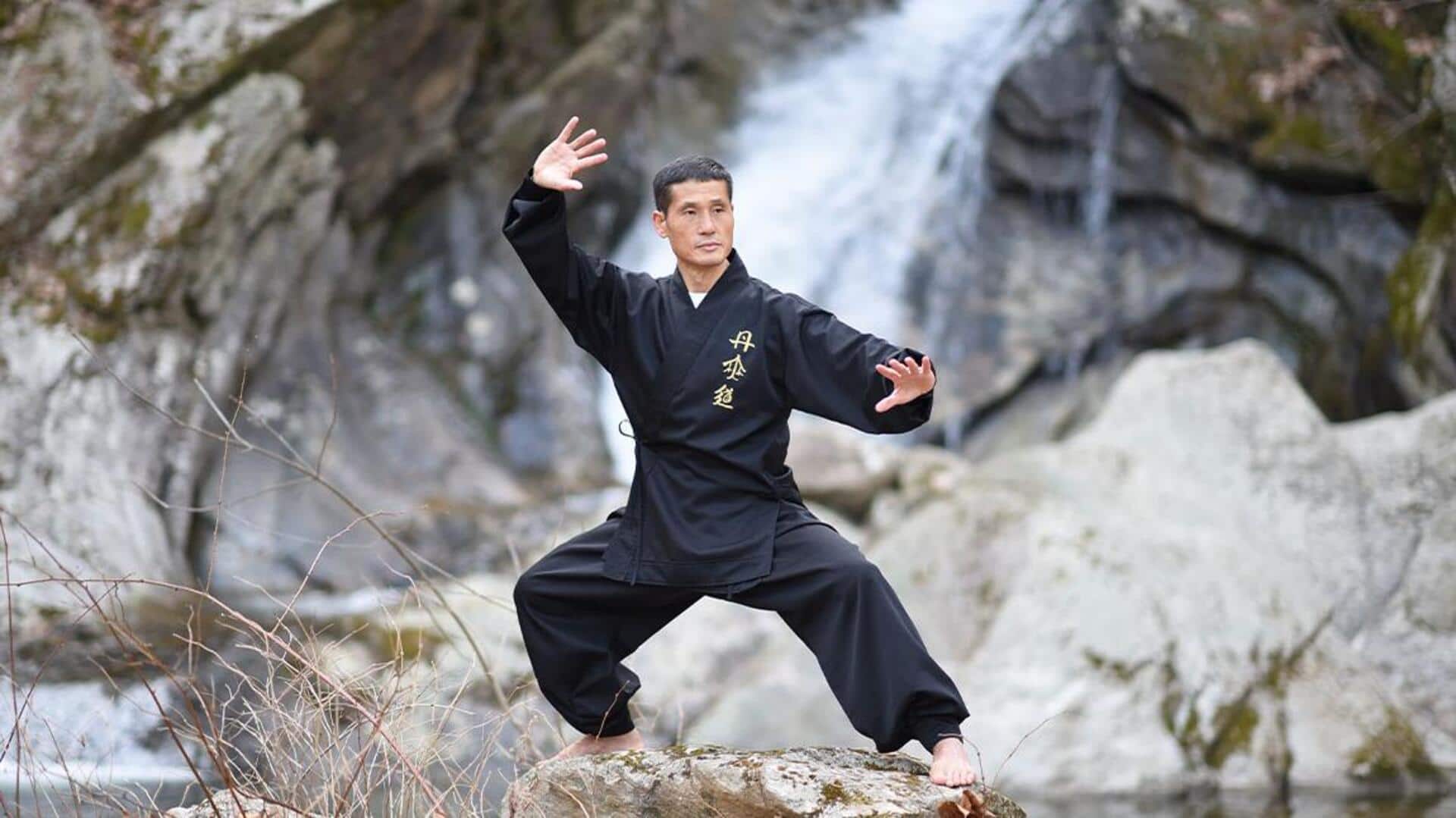
Tai chi is often called meditation in motion because of its slow, deliberate movements. The practice encourages mindfulness by focusing on breathing and posture. This mindful approach can help reduce anxiety and improve mental clarity. Regular practice of tai chi has been shown to lower blood pressure and improve overall well-being.
#2
Swimming's rhythmic benefits
Swimming provides a rhythmic workout that can be meditative in nature. The repetitive strokes and the soothing water can help clear the mind and reduce stress levels. Swimming also releases endorphins, which are natural mood lifters. The resistance of water also provides a gentle workout that can help ease muscle tension.
#3
Social interaction opportunities
Both tai chi and swimming provide opportunities for social interaction, which can further reduce stress. Joining a tai chi class or a swimming group can help you connect with others who share similar interests. Socializing has been proven to improve mental health by providing support networks and reducing feelings of isolation.
#4
Accessibility considerations
Accessibility is another factor to consider when choosing between tai chi and swimming for stress relief. Tai chi can be practiced indoors or outdoors, making it suitable for all weather conditions. It does not require much space or equipment, making it accessible to many people. Swimming requires access to a pool or body of water, but offers flexibility in terms of scheduling sessions at different times throughout the day.