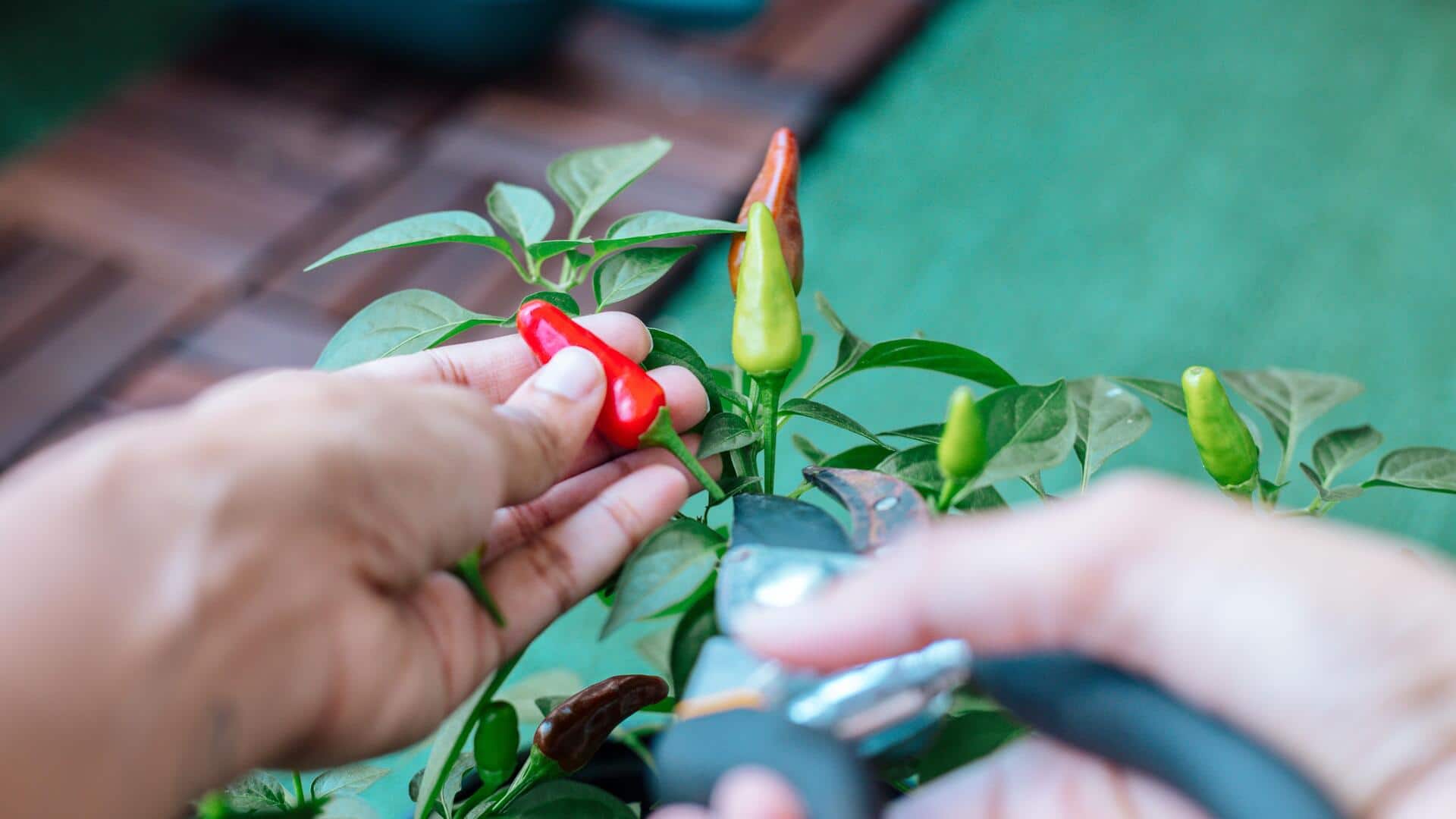
Why African peppers are in high demand
What's the story
African peppers have been making waves in the culinary world, thanks to their unique flavors and heat. These peppers are not just adding a kick to dishes but also making waves in the global spice market. With their distinct taste profiles, they are becoming a favorite among chefs and home cooks alike. Here's how these ancient spices are changing modern cooking and the spice trade.
#1
Unique flavors of African peppers
African peppers are known for their diverse flavor profiles, ranging from sweet to intensely hot. The bird's eye chili, for instance, is famous for its fiery heat and fruity undertones. Another popular variety is the piri piri pepper, which gives a smoky sweetness with a punch of heat. These unique flavors allow chefs to experiment with new recipes and elevate traditional dishes.
#2
Impact on the global spice market
The rising popularity of African peppers has also had a major impact on the global spice market. As demand rises, prices have gone up by as much as 30% in some cases. This increase is due to the limited supply and high demand from international markets. Farmers are now focusing on growing these varieties to meet the demand.
#3
Culinary innovations with African peppers
Chefs around the world are getting creative with African peppers by incorporating them into sauces, marinades, and even desserts. The versatility of these spices allows them to be used in both savory and sweet dishes. For example, piri piri sauce has become a staple condiment in many restaurants, while bird's eye chili is often used in salads or as a garnish.
#4
Challenges in cultivation and trade
While the popularity of African peppers is on the rise, there are challenges in cultivation and trade. Climate change poses risks to pepper production, as these plants require specific growing conditions. Additionally, farmers face competition from other regions producing similar varieties at lower costs.