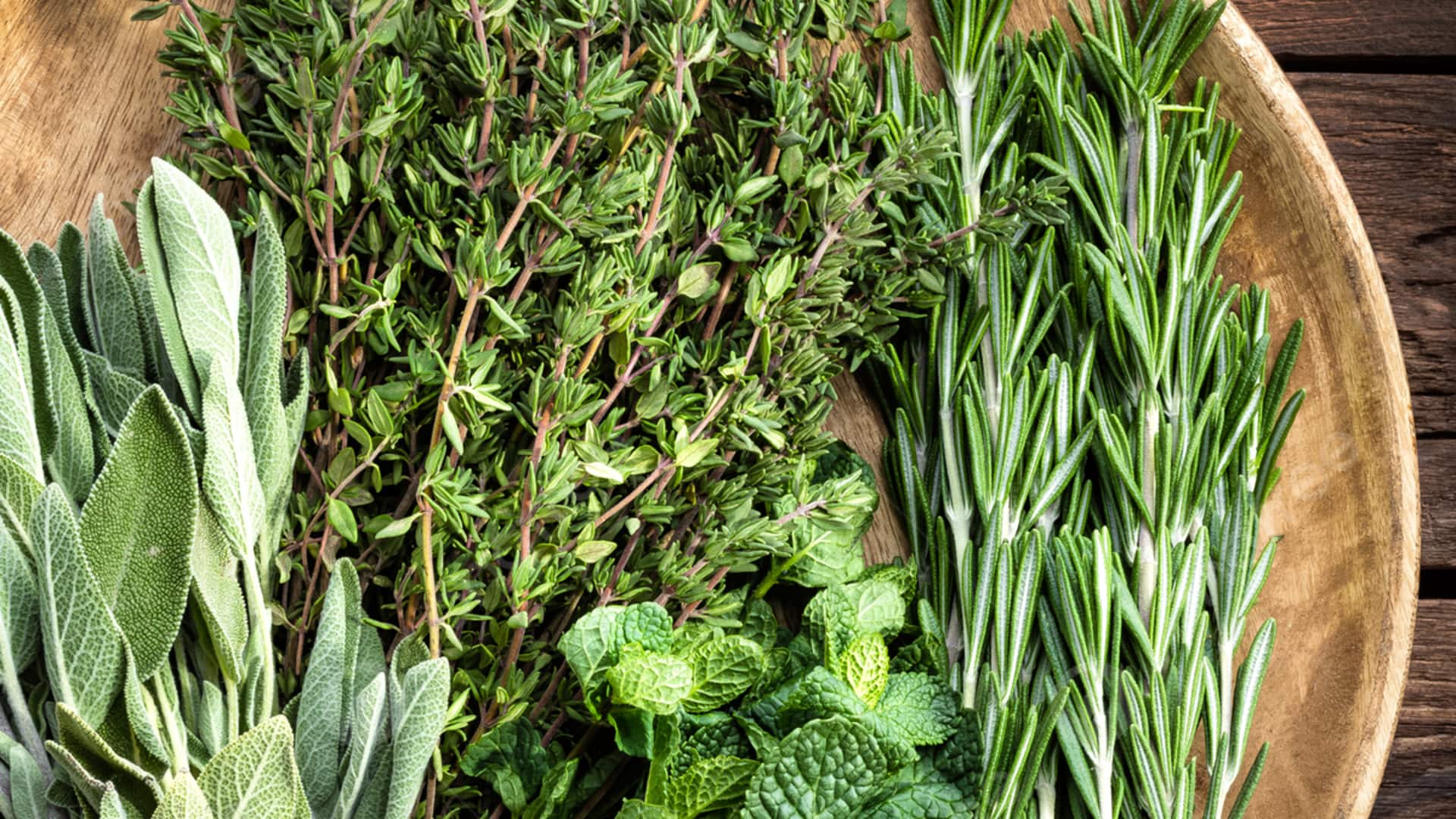
Thyme v/s sage: Which herb is more nutritious?
What's the story
Thyme and sage are two popular herbs that have been used for centuries, both in cooking and for their potential health benefits. While both belong to the mint family, they have different nutritional profiles that can benefit your diet in different ways. Here's a look at the nutritional differences between these two herbs, and how they can be added to your meals for a healthy boost.
#1
Vitamin content in thyme
Thyme is loaded with vitamin C, which is essential for a healthy immune system.
A single tablespoon of fresh thyme can give you nearly 45% of the recommended daily intake of vitamin C.
It also has vitamin A, which promotes good vision and skin health.
The presence of these vitamins makes thyme a great addition to a balanced diet.
#2
Sage's unique compounds
Sage is known for its high concentration of vitamin K, which is important for blood clotting and bone health.
One tablespoon of dried sage can give you around 25% of the daily value for vitamin K.
Sage also has antioxidants such as rosmarinic acid, which may help reduce inflammation and oxidative stress in the body.
#3
Mineral richness in both herbs
Both thyme and sage provide essential minerals like calcium and iron.
Calcium is important for bone health, while iron is essential for transporting oxygen in the blood.
Thyme offers a higher amount of calcium than sage, but sage provides more iron per serving.
Adding either herb to your meals can help meet your mineral needs.
Tip 1
Culinary uses enhancing nutrition
Incorporating thyme or sage into your dishes not only enhances flavor but also boosts nutrition.
Thyme pairs well with vegetables and grains, while sage complements soups and stews with its robust flavor profile.
Using these herbs fresh or dried allows you to enjoy their nutritional benefits easily in everyday cooking without altering the taste significantly.