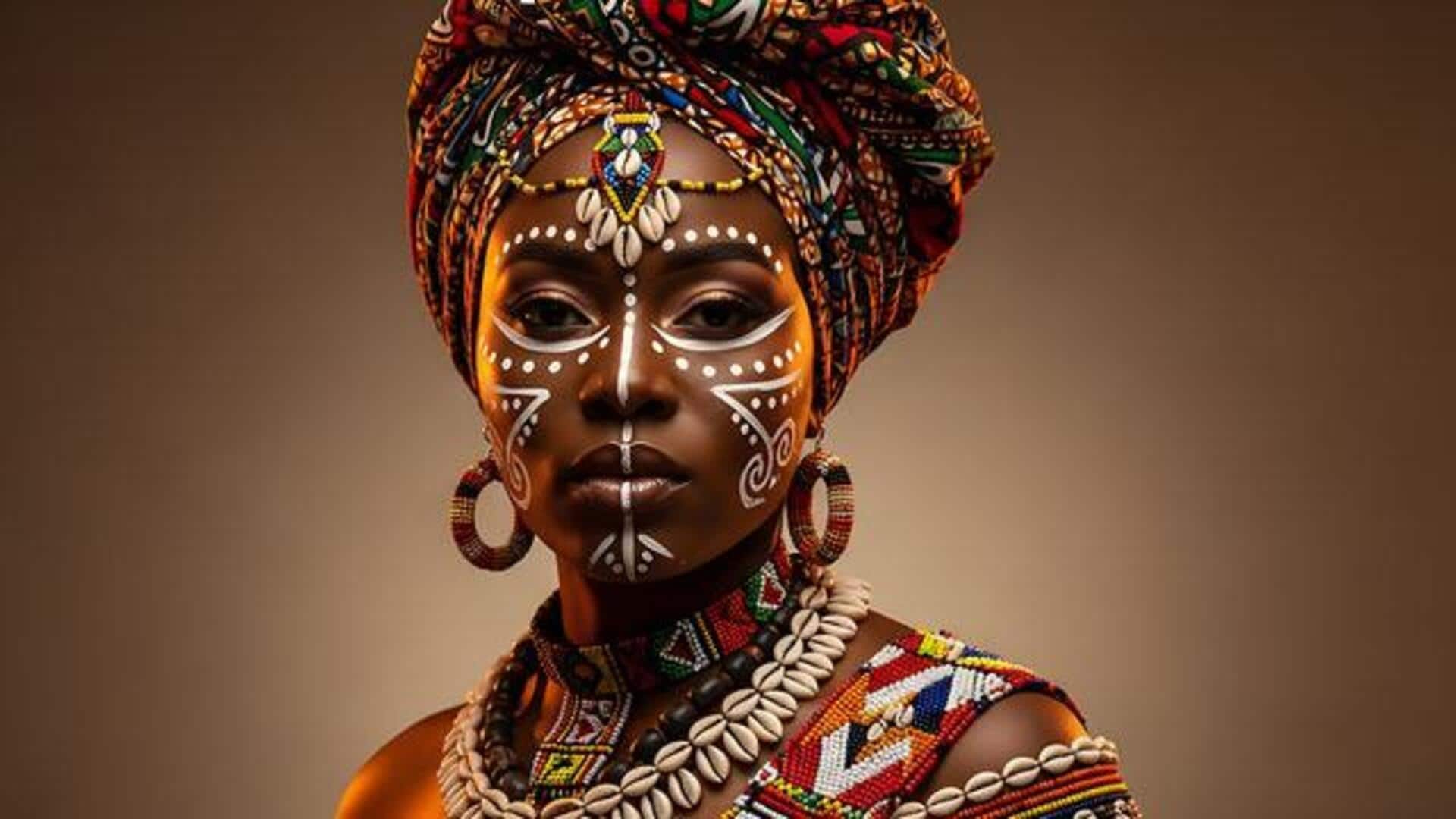
Tiebele tattoos: All about this unique body art
What's the story
Tiebele tattoos are a unique form of body art from Burkina Faso's Tiebele region. The art form is characterized by its intricate patterns and deep cultural significance. Traditionally, these tattoos were used to signify social status, tribal affiliation, and personal identity. The designs often incorporate geometric shapes and symbols that hold meaning within the community. Today, they continue to be a symbol of cultural pride and artistic expression.
#1
Historical significance of Tiebele tattoos
Historically, Tiebele tattoos have been an important part of identity for the people of the region. They were commonly used as markers of adulthood or milestones in life.
The patterns were not just decorative but also told stories or conveyed messages about the wearer's lineage or achievements.
Even today, they are a testament to the rich history and traditions of the community.
#2
Techniques used in creating tattoos
Creating Tiebele tattoos requires a lot of skill and knowledge of traditional techniques.
The artists use natural materials to create inks and tools for applying them on skin.
Each design is meticulously crafted, often taking hours to complete.
The process is as much about artistry as it is about cultural significance, with each pattern having its own story or meaning.
#3
Modern influences on traditional designs
In recent years, modern influences have made their way into traditional Tiebele tattoo designs.
While some artists still stick to age-old patterns, others have started experimenting with new styles that blend contemporary aesthetics with traditional elements.
This fusion allows for the preservation of cultural heritage while also appealing to newer generations who might prefer modern interpretations.
#4
Preserving cultural heritage through art
Preserving Tiebele tattoo art is crucial for keeping cultural heritage alive in Burkina Faso.
Efforts are being made to document these practices and educate younger generations about their significance.
By promoting awareness and appreciation for this unique form of expression, communities hope to ensure that this tradition continues to thrive, despite modern challenges.