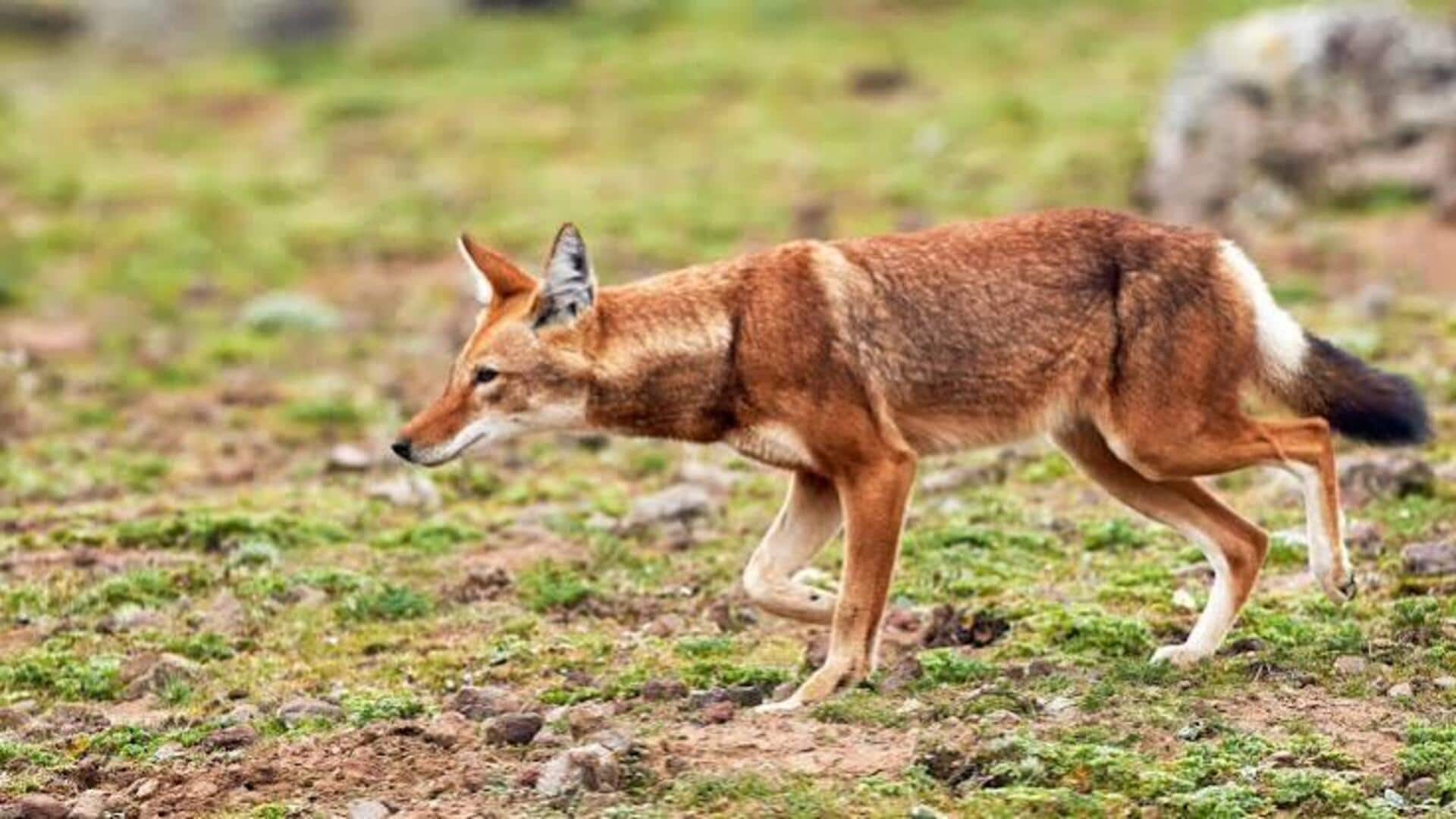
Wildlife lovers, spot Ethiopian wolves on this mountain adventure
What's the story
Ethiopia's Bale Mountains are home to one of the world's most endangered canids, the Ethiopian wolf. Trekking through these mountains offers a unique opportunity to observe these elusive animals in their natural habitat. The Bale Mountains National Park is a haven for wildlife enthusiasts and offers stunning landscapes and diverse ecosystems. Here are some insights into exploring this remarkable region and encountering its iconic inhabitant.
#1
Unique ecosystem of Bale Mountains
The Bale Mountains boast a unique ecosystem, with a mix of moorlands, grasslands, and alpine forests. These habitats are home to a variety of wildlife, including the Ethiopian wolf.
The park's high altitude creates a unique climate that supports rare plant species and animals not found anywhere else on Earth.
Trekking through these varied terrains gives visitors a chance to witness the incredible biodiversity of the area.
#2
Best time for trekking adventures
The best time to visit the Bale Mountains for trekking is during the dry season, which lasts from October to March.
During this time, the weather is relatively stable, making it easier to navigate the trails. The clear skies also provide better visibility for wildlife spotting.
However, visitors should be prepared for cold temperatures at night and pack accordingly.
#3
Tips for spotting Ethiopian wolves
To increase your chances of spotting Ethiopian wolves, start early in the morning or late afternoon when they are most active.
Joining guided tours with local experts can also improve your chances, as they are familiar with the wolves' habits and movements.
Keeping a safe distance is important to not disturb these endangered animals.
Tip 1
Essential gear for your trek
When planning your trek in the Bale Mountains, ensure you have sturdy hiking boots for the rocky terrain.
Layered clothing is key, as temperatures can vary greatly throughout the day.
A good pair of binoculars will enhance your wildlife observation experience, allowing you to spot distant animals without disturbing them.
A reliable map or GPS device is also crucial for navigating this remote area safely.