
Trekking or indoor cycling: Which is better for lung capacity?
What's the story
Trekking and indoor cycling are two popular activities that can help improve lung capacity. While both exercises have their own unique benefits, they also offer different experiences and challenges. Trekking involves walking through natural terrains, often at varying altitudes, while indoor cycling simulates the experience of riding a bike in a controlled environment. Here's a look at how each activity contributes to enhancing lung function.
#1
Trekking's impact on lung capacity
Trekking is an aerobic activity that increases heart rate and breathing rate, which can improve lung capacity over time. The varying terrains and altitudes encountered during trekking challenge the respiratory system, encouraging it to adapt and become more efficient. Trekking in higher altitudes can be particularly beneficial as it forces the body to take in more oxygen due to lower atmospheric pressure.
#2
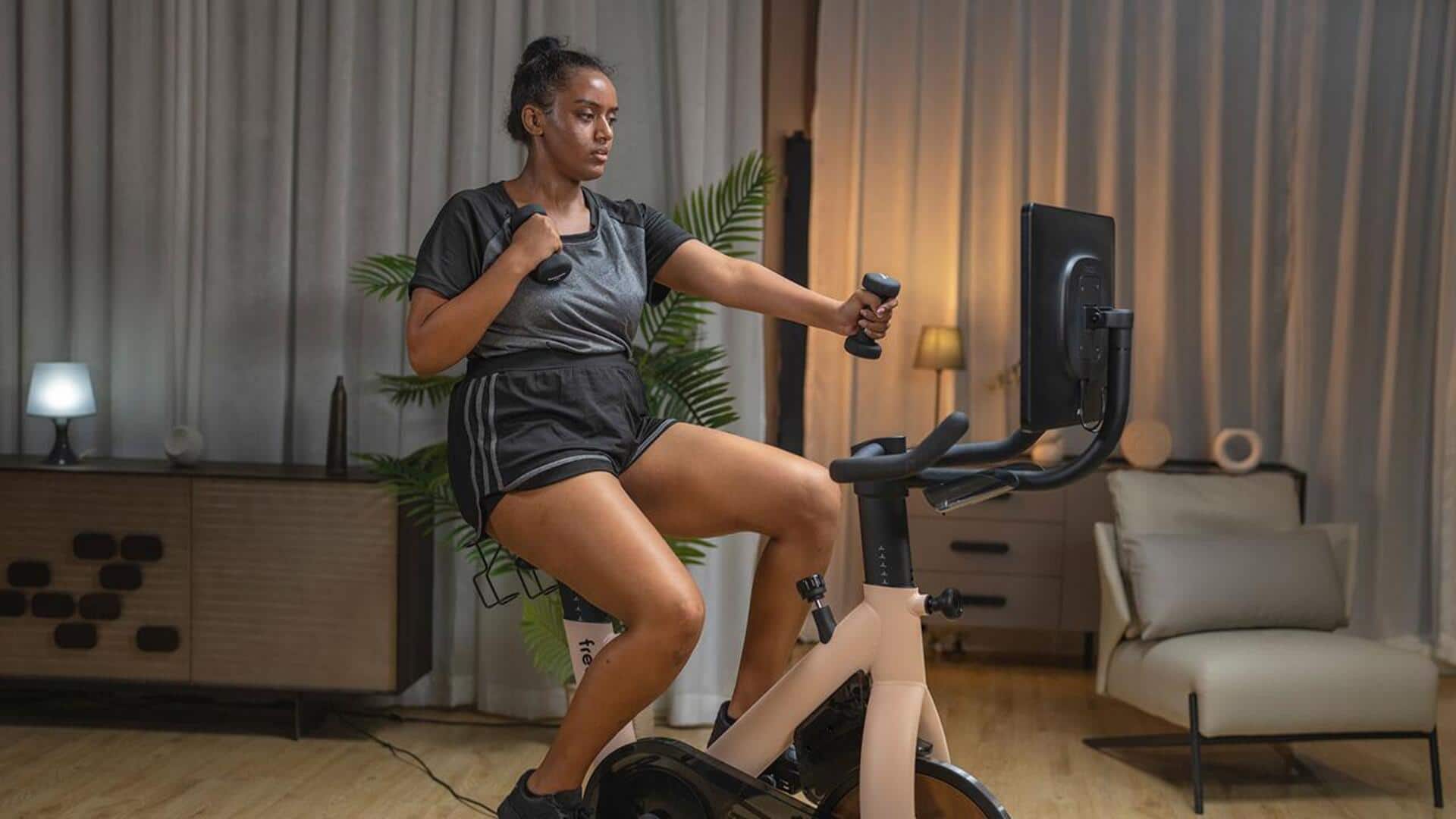
Indoor cycling benefits for lungs
Indoor cycling is an excellent way to boost cardiovascular health, which is directly related to lung capacity. The controlled environment allows for consistent workouts that can be tailored to individual fitness levels. High-intensity interval training (HIIT) on a stationary bike can significantly enhance respiratory function by alternating between periods of intense effort and rest.
#3
Comparing calorie burn rates
Calorie burn is an important factor when choosing an exercise for improving lung capacity. Trekking usually burns more calories than indoor cycling because of the additional effort required to navigate uneven terrain and inclines. However, the intensity of indoor cycling sessions can also lead to significant calorie expenditure, making it an effective option for those looking to manage weight while improving lung health.
#4
Accessibility and convenience factors
Accessibility is another factor that comes into play when choosing between trekking and indoor cycling. Trekking requires access to safe trails or natural areas, which may not be available to everyone. On the other hand, indoor cycling only requires a stationary bike, making it possible to work out at home or in gyms regardless of weather conditions or geographical location.