Fiji weddings: Unique traditions you'll love
What's the story
Fiji, a beautiful island nation in the South Pacific, is famous for its rich cultural heritage and unique wedding traditions. These traditions give a glimpse of the Fijian way of life and their deep-rooted customs. From the ceremonial rituals to the vibrant celebrations, Fijian weddings are a beautiful blend of culture and community. Here are some of the most fascinating wedding traditions that make Fijian nuptials so special.
#1
The traditional sevusevu ceremony
The sevusevu is an important ceremony in Fijian culture where the bride's family presents yaqona (kava) to the groom's family.
This ritual signifies respect and acceptance between families.
The yaqona is prepared and consumed in a formal setting, with specific protocols followed.
This tradition strengthens family bonds and sets a positive tone for the marriage.
#2
Meke dance performances
Meke is a traditional Fijian dance that is an integral part of wedding celebrations. The dancers tell stories through their movements, accompanied by traditional music.
Meke performances are not just entertainment but also a way to honor cultural heritage and engage guests in the festivities.
The vibrant costumes and rhythmic movements make it an unforgettable experience for everyone present.
#3
Dress codes with cultural significance
In Fijian weddings, attire often has cultural significance.
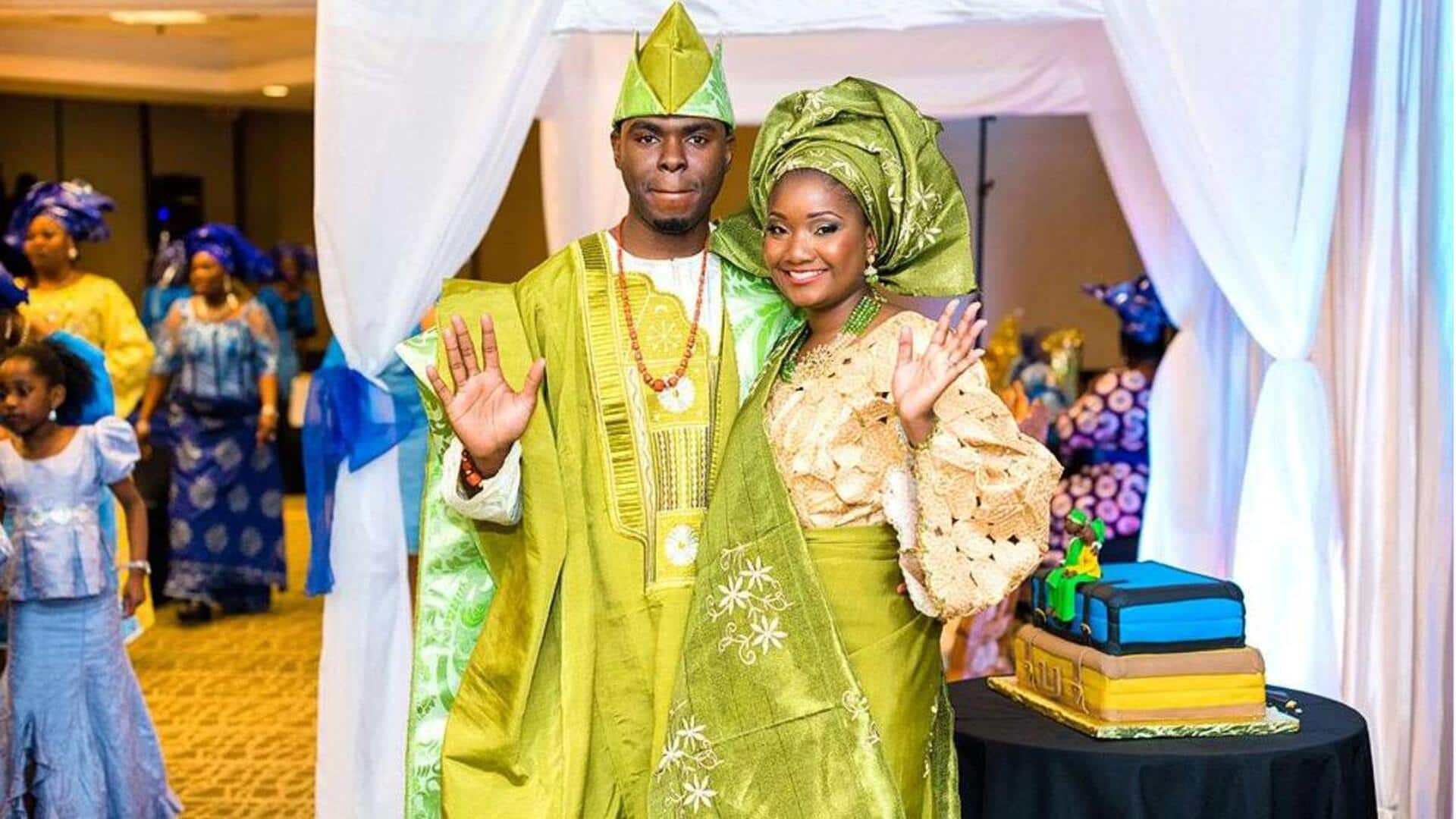
The bride may wear a traditional sulu or a dress that reflects her heritage, while the groom might don a bula shirt with a sulu.
Guests are also expected to adhere to dress codes that respect local customs. This emphasis on culturally appropriate attire enhances the authenticity of the celebration.
#4
Community involvement in celebrations
Fijian weddings are community affairs, with friends and relatives pitching in for preparations and festivities.
From organizing pre-wedding rituals to participating in post-ceremony celebrations, community involvement is at the heart of these events.
This collective effort strengthens social ties within communities and makes every wedding a memorable occasion.
#5
Symbolic gifts exchanged between families
During Fijian weddings, families exchange symbolic gifts as part of the marriage agreement or settlement.
These gifts can include mats or other handcrafted items that hold cultural value within their communities.
The exchange symbolizes mutual respect between families involved in this union. It further solidifies relationships through tangible tokens, reflecting shared values over time.