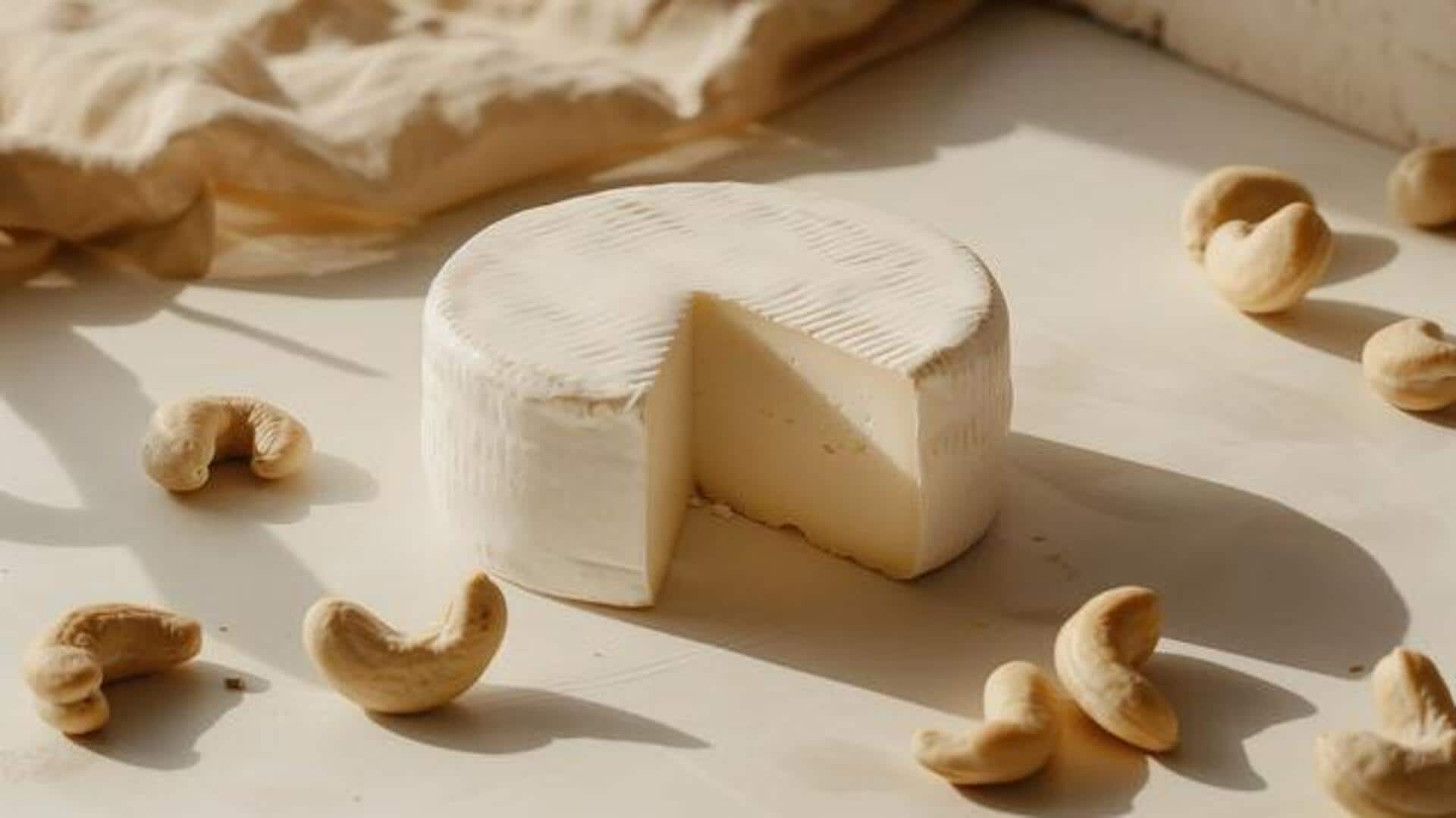
What you should know about vegan cheese
What's the story
Vegan cheese has become a popular substitute for dairy cheese, especially among the health-conscious. However, many believe that vegan cheese is healthier than its dairy counterpart. This article delves into the nutritional profile of vegan cheese, comparing it with dairy cheese, and uncovering the truth behind its health claims. By looking at the ingredients and nutritional values, we can understand how vegan cheese stacks up against traditional options.
#1
Nutritional content comparison
Vegan cheese usually has fewer calories and less fat than dairy cheese.
However, it may also lack certain nutrients present in dairy products, such as calcium and vitamin B12.
Many brands fortify their products with these nutrients, but not all do.
It is important to check labels for these details if you are relying on vegan cheese for nutrition.
#2
Ingredient analysis
The ingredients in vegan cheese can vary widely from brand to brand.
Some use nuts or soy as a base, while others may use starches or oils.
The choice of ingredients can affect the nutritional value and taste of the product.
For instance, nut-based cheeses may have more protein than soy-based ones but also more calories.
#3
Impact on cholesterol levels
One of the major reasons people choose vegan over dairy is the impact on cholesterol levels.
Dairy cheese is high in saturated fats, which can raise cholesterol levels.
Vegan cheeses usually have less saturated fat, depending on the ingredients used. However, some may still have oils that contribute to fat content.
#4
Cost considerations
Vegan cheeses are usually more expensive than dairy ones, owing to the cost of ingredients and production processes.
This price difference is something consumers should keep in mind when making dietary choices.
While some may find value in paying more for plant-based options, others may prioritize cost over potential health benefits.