Volcano boarding in Tanzania: Top spots and tips
What's the story
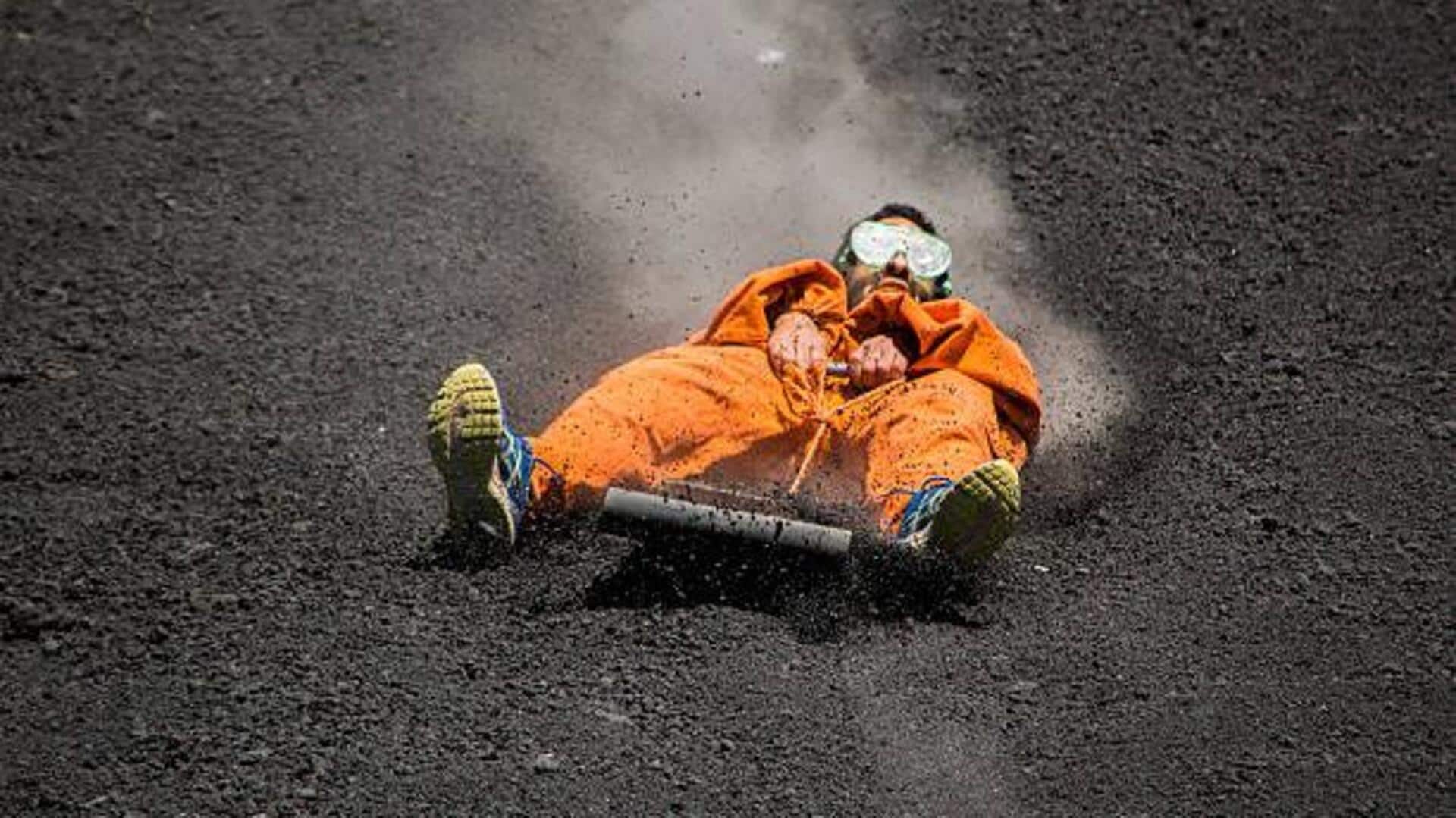
If you are an adventure junkie, you must have heard of volcano boarding. It is a crazy sport where you ride down the slopes of an active volcano. One of the most famous places for this is Tanzania's Ol Doinyo Lengai. The mountain, which is known for its unique carbonatite lava, makes for an exhilarating ride. Here's all about this thrilling experience.
#1
The unique terrain of Ol Doinyo Lengai
Ol Doinyo Lengai is famous for its one-of-a-kind terrain. The volcano's steep slopes and rare carbonatite lava make it a one-of-a-kind place for adventurers.
The lava flows at a much lower temperature than regular basaltic lava, making it unique. This difference in composition creates a rough surface that is perfect for boarding.
The mountain's unpredictable terrain adds to the thrill, making every ride different.
#2
Preparing for your adventure
Before you head out to Ol Doinyo Lengai, proper preparation is key.
Make sure you have the right gear, including sturdy shoes and protective clothing, as the terrain can be rough and unforgiving.
A board specifically designed for volcanic slopes is essential to ensure safety and control during your descent.
Also, physical fitness plays an important role in handling the strenuous hike up the volcano.
#3
Timing your descent
Timing is everything when it comes to volcano boarding on Ol Doinyo Lengai.
Early morning or late afternoon are the best times as temperatures are cooler and winds are calmer.
This not only makes for a more comfortable climb but also a safer descent down the slope.
The cooler temperatures help keep the board stable on the surface, while calmer winds reduce risks of losing balance mid-descent.
Tip 1
Safety measures on volcanic slopes
Safety should always come first when you are volcano boarding on Ol Doinyo Lengai or any other similar place.
Always listen to local guides who know the terrain well and can give you valuable advice on how to stay safe.
Carry enough water to stay hydrated during the hike, and wear sunscreen to protect yourself from the sun's rays at higher altitudes.