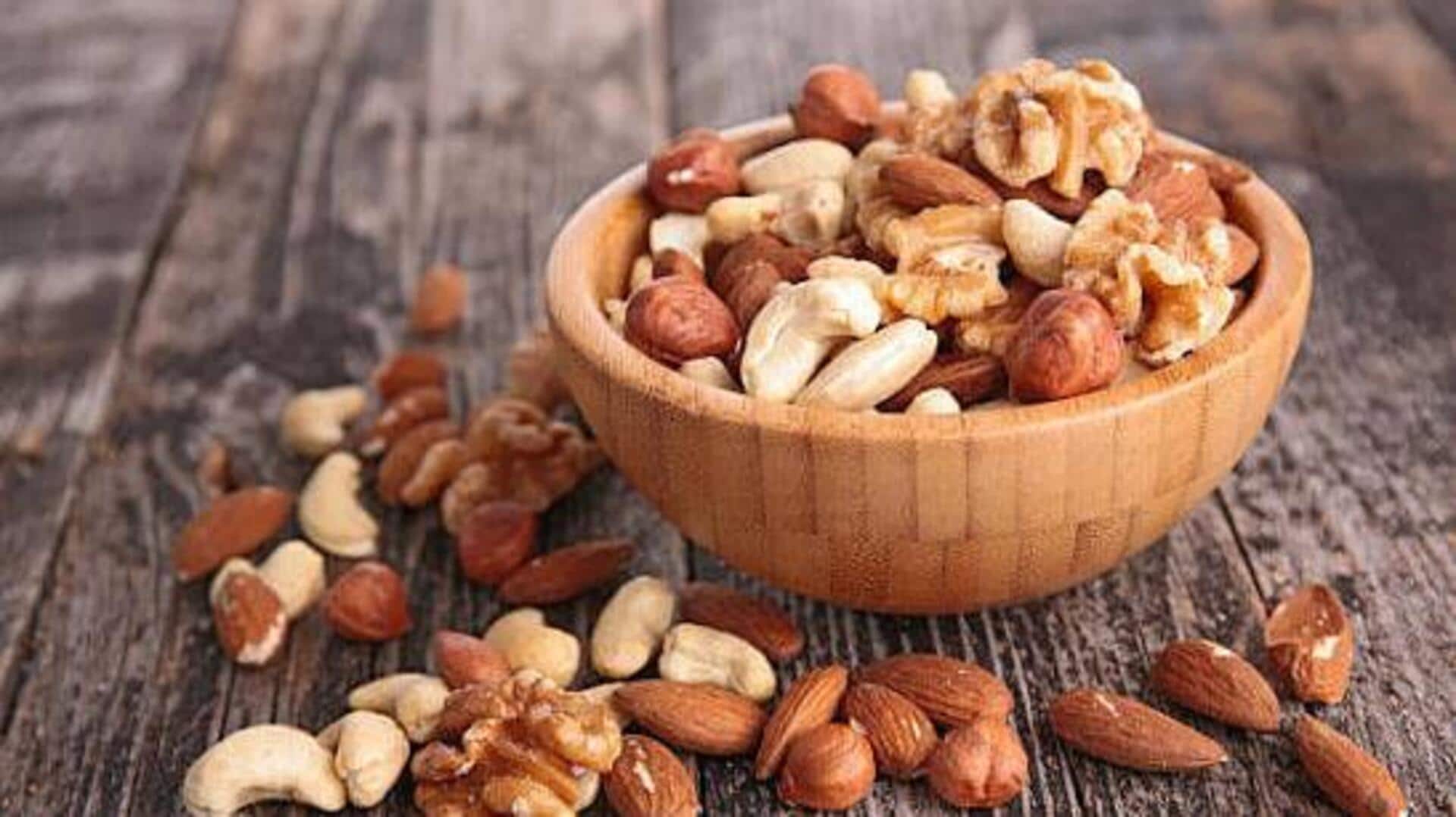
Walnuts v/s almonds: Which is better for your brain?
What's the story
Walnuts and almonds are two of the most popular nuts known for their health benefits. Both are often touted for their brain-boosting properties, making them a common choice for health-conscious people. While both the nuts have their own set of benefits, knowing the difference can help you make an informed dietary choice. Here's a look at the brain health benefits of walnuts and almonds.
#1
Omega-3 fatty acids in walnuts
Walnuts are famous for their high omega-3 fatty acid content, especially alpha-linolenic acid (ALA).
Omega-3s are essential for brain health, as they contribute to the formation of neuronal membranes and reduce inflammation.
Regular consumption of walnuts has been linked to improved cognitive function, and a lower risk of neurodegenerative diseases.
Adding walnuts to your diet can be a smart move if you're eyeing better brain health.
#2
Vitamin E content in almonds
Almonds are rich in vitamin E, an antioxidant that protects cells from oxidative stress.
This is important for brain health, as oxidative stress can contribute to cognitive decline over time.
Studies suggest that higher vitamin E intake is associated with better memory and cognitive performance.
Including almonds in your diet may help support your brain's protective mechanisms.
#3
Antioxidant properties of both nuts
Both walnuts and almonds are packed with antioxidants, which are important for protecting the brain from free radicals.
Walnuts have polyphenolic compounds, while almonds have flavonoids, which contribute to their antioxidant capacity.
These compounds help reduce inflammation and protect neuronal cells, which is important for maintaining cognitive function over the years.
Tip 1
Nutrient density comparison
When it comes to nutrient density, both walnuts and almonds offer unique benefits for brain health.
Walnuts provide more omega-three fatty acids than almonds, while almonds offer more vitamin E per serving.
Depending on what you want to achieve with your diet, you can choose one over the other, or include both in your meals for a balanced approach to supporting brain function.