Water ripple meditation: What it is exactly
What's the story
Water ripple meditation is a simple yet effective technique that uses visualization of water ripples to promote relaxation and focus. This practice helps in calming the mind by directing attention to the gentle waves of water, creating a sense of tranquility. It is accessible to anyone looking to improve their mental well-being without any prior experience or special equipment. Here are five ways to practice this meditative technique.
Tip 1
Visualize calm water ripples
Start by finding a quiet space where you won't be disturbed.
Close your eyes and take deep breaths to center yourself.
Imagine a still body of water, like a lake or pond.
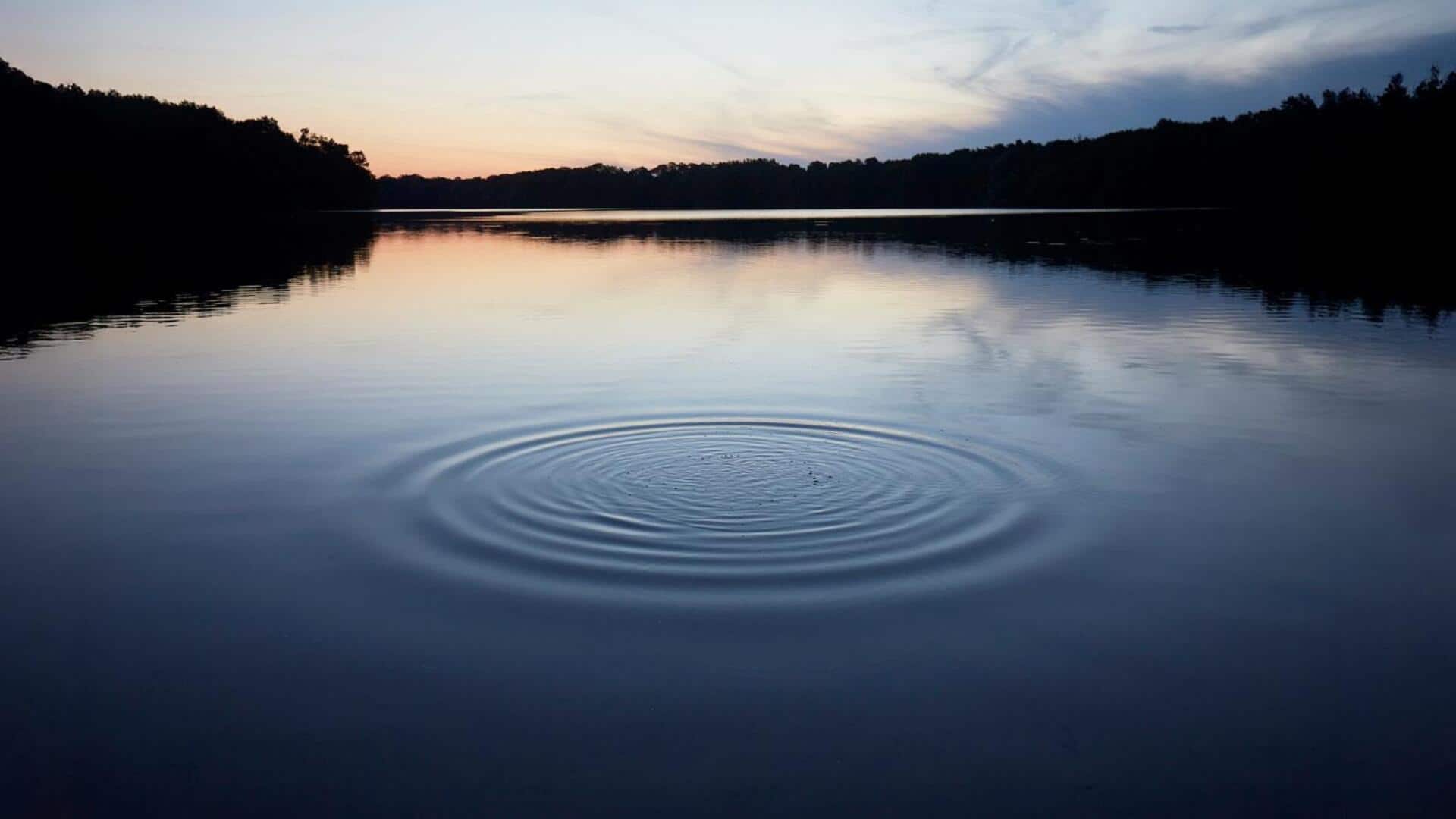
Visualize dropping a small stone into the water, creating ripples that spread outward.
Focus on how these ripples move smoothly across the surface, allowing your mind to mirror this calmness.
Tip 2
Focus on breathing patterns
Breathing is key in water ripple meditation.
Begin with deep breaths, inhaling through your nose and exhaling slowly through your mouth.
As you breathe, visualize each inhale as a ripple forming in the water and each exhale as the ripple dissipating gently into stillness.
This connection between breath and visualization helps maintain focus and reduces distractions.
Tip 3
Use guided imagery techniques
Guided imagery can enhance your meditation experience by providing structured visualization prompts.
Listen to audio recordings or follow along with written instructions that guide you through scenarios involving serene bodies of water, like oceans or rivers.
These guided sessions often include calming sounds that further immerse you in relaxation, making it easier for beginners to stay focused.
Tip 4
Practice regularly for consistency
Consistency is key when it comes to reaping the benefits of any meditation practice, including water ripple meditation.
Try to set aside some time every day, even if it's just five minutes, at first, and increase it gradually as you get more comfortable with the technique over time.
Regular practice helps reinforce neural pathways associated with relaxation, making it easier for you to enter a meditative state.
Tip 5
Create a peaceful environment
Creating an environment conducive to meditation can significantly enhance your experience.
Dim lighting, soft cushions, and minimal noise can help you focus better on visualizing ripples in calm waters.
If you find external noises distracting, consider using headphones with nature sounds like gentle waves or rain, which complement the imagery of serene waters.