Fascinating bento box traditions you didn't know
What's the story
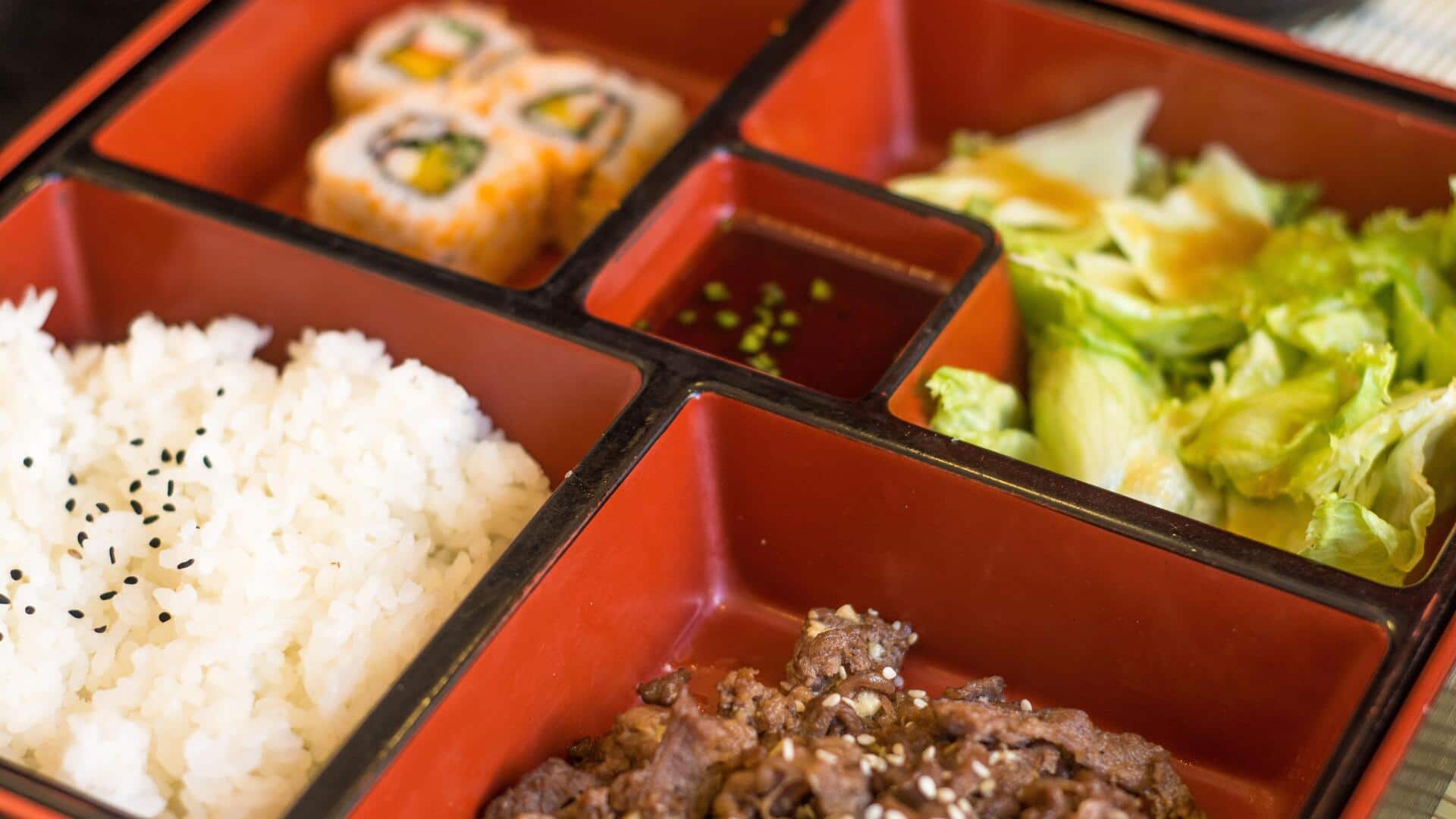
Bento boxes are an integral part of Japanese culture, serving as a practical and artistic meal container. These boxes are not just about convenience; they are also about presentation and balance. Traditionally, bento boxes come with a variety of compartments, each holding a different dish. This way, you can enjoy a balanced diet while savoring different flavors and textures in one meal.
#1
The art of kyaraben
Kyaraben, or character bento, is the art of making food look like popular characters from anime, manga, or other media.
This creative style is especially popular among children as it makes their meals fun and appealing.
Parents often spend hours crafting these intricate designs using simple ingredients like rice, seaweed, and vegetables.
Kyaraben not only encourages kids to eat but also showcases the maker's artistic skills.
#2
Seasonal ingredients in bentos
Japanese culture places a lot of emphasis on seasonality, and it is reflected in bento box contents.
Each season brings with it unique ingredients that are used to prepare seasonal dishes. Spring might see cherry blossoms or bamboo shoots, while autumn could have mushrooms or chestnuts.
Using seasonal produce ensures freshness and enhances the overall flavor profile of the meal.
#3
Bento as a social experience
In Japan, sharing bentos is a common social practice among friends and family members.
It is common to exchange homemade bentos during picnics or gatherings as a gesture of goodwill and appreciation.
This practice not only strengthens social bonds but also allows people to experience different culinary styles from one another's home-cooked meals.
#4
Eco-friendly packaging trends
With an increasing focus on sustainability, eco-friendly packaging for bento boxes has gained popularity in Japan.
Many opt for reusable containers made from biodegradable materials instead of single-use plastic ones.
This shift not only reduces waste but also aligns with the global movement toward environmental conservation without compromising on traditional values or aesthetics associated with Japanese cuisine.