5 surprising facts about Kaiseki dining
What's the story
Kaiseki dining is a traditional Japanese multi-course meal that is as much about the art of cooking as it is about the art of presentation. While most of us know about the intricate dishes and seasonal ingredients, some lesser-known aspects of Kaiseki make it a unique culinary experience. Here are five surprising facts about Kaiseki dining that highlight its cultural significance and culinary complexity.
#1
The influence of Zen Buddhism
Kaiseki dining has its roots in Zen Buddhism.
The practice of serving simple yet elegant meals was meant to promote mindfulness and appreciation for each bite.
This influence can be seen in the careful selection of ingredients and the balance of flavors in every dish.
The focus on simplicity and harmony reflects Zen principles, making Kaiseki not just a meal, but a meditative experience.
#2
Seasonal ingredients are key
In Kaiseki, the emphasis is on using seasonal ingredients to highlight nature's bounty at different times of the year.
Each season brings its own unique produce, which chefs incorporate into their menus to provide diners with a taste of what is fresh and available at that time.
This practice not only supports local agriculture but also ensures that every Kaiseki meal is unique.
#3
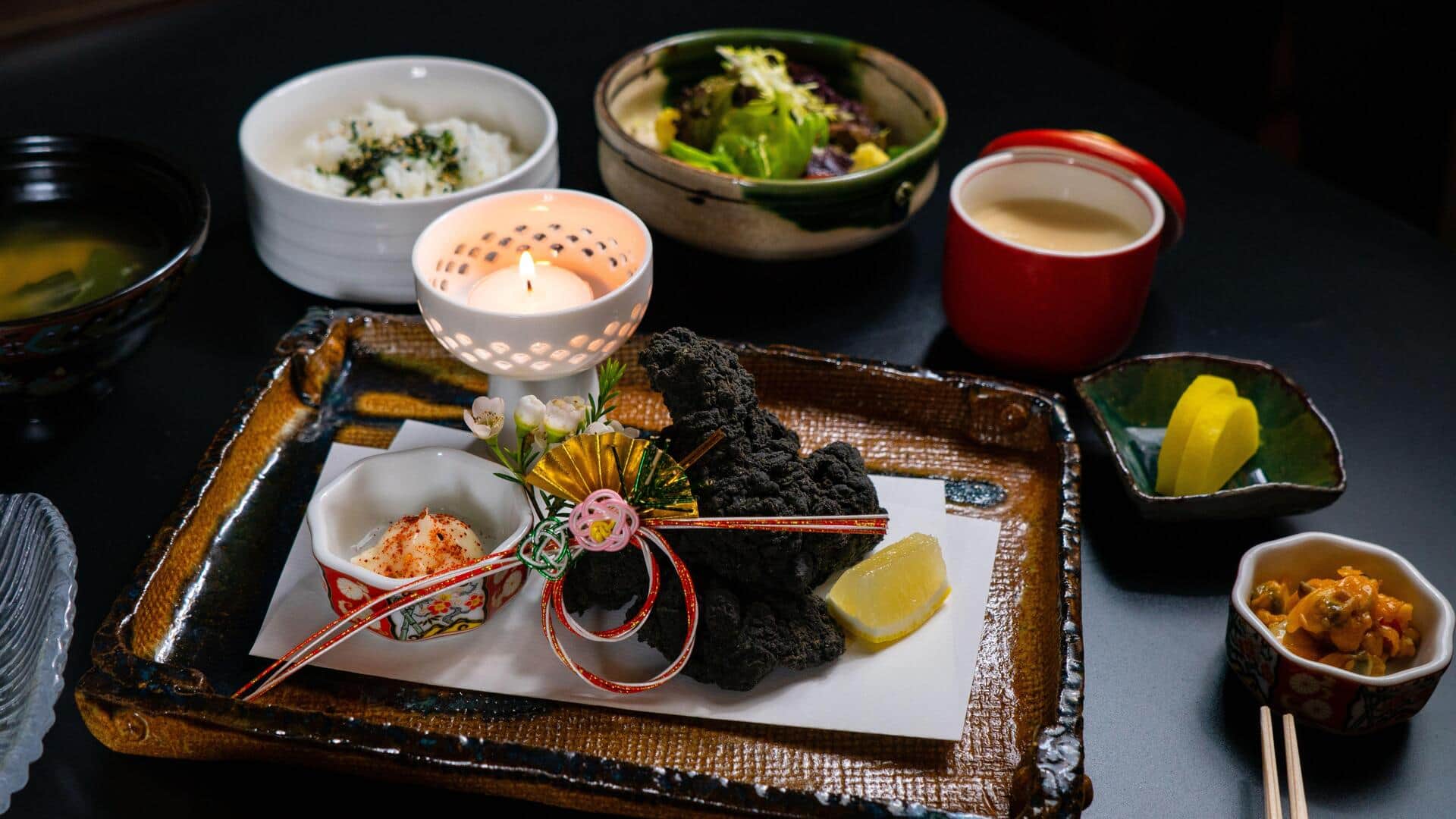
Presentation is an art form
Presentation is key in Kaiseki dining, as every dish is a work of art.
The arrangement, color, and choice of tableware are all carefully thought out to create a visually stunning experience.
The presentation goes beyond aesthetics; it tells a story and sets the mood for the meal.
This emphasis on visual appeal makes Kaiseki an immersive sensory experience.
#4
The role of umami
Umami, the fifth taste, plays a pivotal role in Kaiseki cuisine.
It is achieved through ingredients such as seaweed, mushrooms, and fermented products like soy sauce or miso paste.
These elements add depth to the flavors without overpowering other components within each course.
Understanding umami helps diners appreciate how it enhances overall taste balance throughout their dining experience.
#5
Formal dining etiquette involved
Kaiseki dining also comes with formal etiquette rules that enhance the experience.
From how to hold chopsticks to the order of courses and when to pour tea, these rules ensure respect and appreciation for the meal and the host.
Following these customs makes the dining experience more authentic and enjoyable, and shows respect for the tradition and those who prepare and serve the meal.