How African art is inspiring modern architecture
What's the story
African art is a treasure trove of creativity and cultural significance. It is now being blended with contemporary architectural elements, creating a unique fusion that celebrates tradition and modernity. This combination not only preserves the essence of African heritage but also introduces innovative design solutions. By incorporating traditional motifs, materials, and techniques into modern architecture, architects are crafting spaces that resonate with both historical and contemporary aesthetics.
#1
Integrating traditional motifs
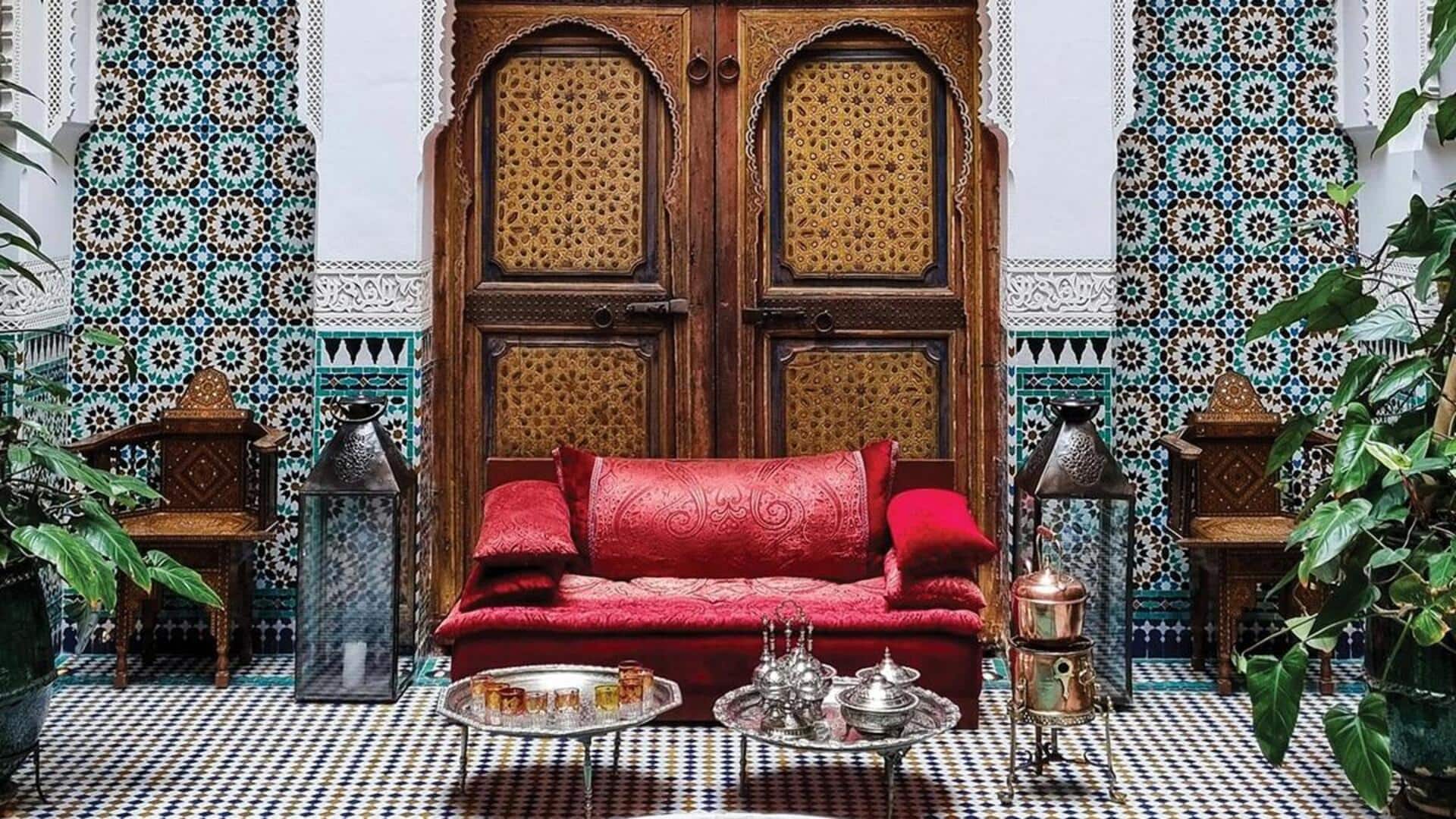
Traditional African motifs are often characterized by geometric patterns, vibrant colors, and symbolic meanings. These elements can be integrated into modern architectural designs to create visually striking spaces. For instance, using traditional patterns as wall textures or floor designs adds cultural depth to a building's interior and exterior. This fusion allows architects to pay homage to their heritage while appealing to a global audience.
#2
Utilizing local materials
The use of local materials is another way to blend African art with contemporary architecture. Clay, wood, and stone are commonly used in traditional African construction techniques. Incorporating these materials into modern designs not only supports local economies but also ensures sustainability. The natural textures and colors of these materials add warmth and authenticity to any structure.
#3
Embracing sustainable practices
Sustainability is at the heart of many contemporary architectural projects worldwide. African art offers a plethora of sustainable practices rooted in traditional ways of living harmoniously with nature. For example, passive cooling techniques employed in traditional huts can be adapted for modern buildings to reduce energy consumption. By embracing these practices, architects can create environmentally friendly spaces that respect both cultural heritage and ecological responsibility.
#4
Designing multifunctional spaces
African art often emphasizes community and multifunctionality in its designs—think communal gathering spaces or adaptable structures that serve multiple purposes over time. Modern architects can take a leaf out of this book by designing multifunctional spaces that serve as homes, workspaces, or community centers, as per the need. This flexibility not only maximizes the utility of a space but also fosters community engagement.
#5
Enhancing cultural identity through design
Incorporating elements of African art into architecture strengthens cultural identity within communities where such designs are implemented. It instills pride among residents who see their heritage reflected in public buildings or private homes alike. This approach encourages cultural preservation through education about its significance among younger generations, who may not otherwise be exposed.