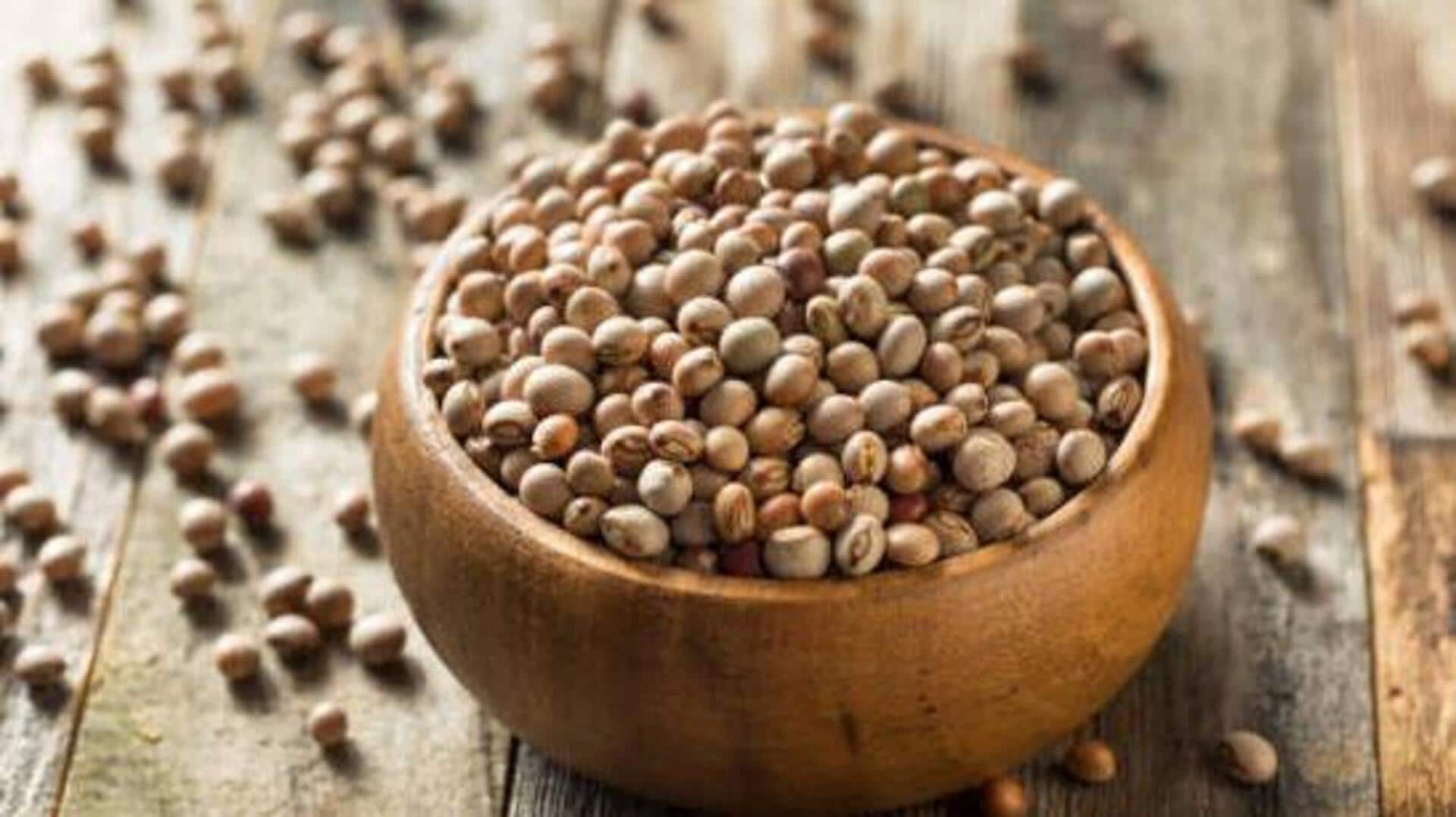
Why you should start eating pigeon peas
What's the story
African pigeon peas are a staple in many African countries, providing a nutritious and versatile food option. These legumes are packed with protein, fiber, and essential nutrients, making them an excellent addition to any diet. They can be used in a variety of dishes, offering both health benefits and culinary flexibility. Here are some insights into the nutritional value of African pigeon peas and how they can be incorporated into daily meals.
#1
Nutritional benefits of pigeon peas
African pigeon peas are loaded with protein, making them an excellent vegetarian protein source.
They are also rich in fiber, which promotes digestion and keeps you healthy.
These peas are also packed with vitamins like folate, and minerals such as iron and magnesium.
Eating these legumes can help you meet your daily nutritional requirements while supporting overall health.
#2
Versatile culinary uses
The versatility of African pigeon peas makes them an ideal ingredient for a variety of dishes.
They can be added to soups, stews, and salads, or even used as a filling for wraps and sandwiches.
Their mild flavor allows them to blend seamlessly with other ingredients while adding texture and nutrition to meals.
#3
Economic impact on local communities
Cultivating African pigeon peas has a positive impact on local economies by providing farmers with a sustainable source of income.
The crop is drought-resistant, making it suitable for regions with limited water resources.
By promoting the growth and consumption of these legumes, communities can boost their economic stability, while ensuring food security.
#4
Tips for cooking with pigeon peas
Cooking with African pigeon peas is easy if you soak them overnight before cooking to cut down on cooking time.
You can add spices like cumin or coriander while cooking to enhance their flavor profile.
Using them in different recipes not only makes meals interesting, but also ensures you get the most out of their nutritional value.