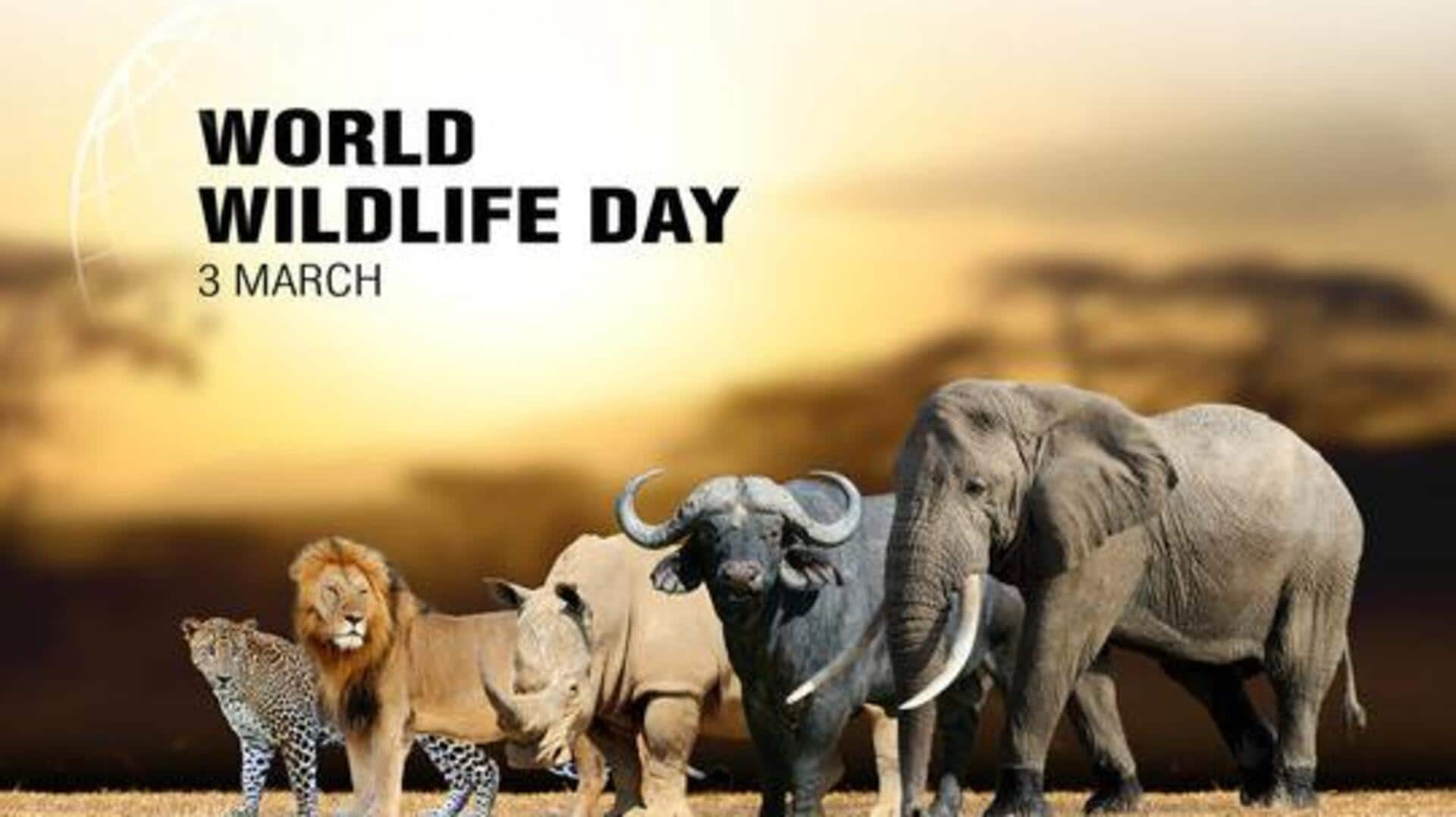
World Wildlife Day 2026: History, significance, and theme
What's the story
World Wildlife Day is a global event dedicated to celebrating the beauty and diversity of wild animals and plants while raising awareness about the urgent need for conservation. Observed every year on March 3, it reminds people worldwide that protecting wildlife is essential for maintaining ecological balance, supporting ecosystems, and ensuring a healthy planet for present and future generations alike.
History
Origins of World Wildlife Day
World Wildlife Day was proclaimed by the United Nations in 2013.
The date marks the anniversary of the signing of the Convention on International Trade in Endangered Species of Wild Fauna and Flora (CITES) in 1973.
This agreement was created to ensure that international trade does not threaten the survival of wildlife species.
Significance
Significance of World Wildlife Day
World Wildlife Day emphasizes that wildlife is crucial for ecological balance and human well-being.
Healthy ecosystems supply clean air, water, fertile soil, and climate stability. Yet species are threatened by habitat loss, climate change, pollution, and illegal trade.
The day promotes awareness and action, highlighting biodiversity's cultural, economic, and scientific value for sustainable development and future generations.
Theme
Theme of World Wildlife Day 2026
The 2026 World Wildlife Day theme is "Medicinal and Aromatic Plants: Conserving Health, Heritage and Livelihoods," which highlights how these plants are crucial for human health, traditional medicine, cultural heritage, and local economies.
It draws attention to the threats they face from habitat loss, overharvesting, climate change, and illegal trade, urging global efforts to protect and sustainably use these valuable plant species.
Global celebrations
How World Wildlife Day is celebrated
People around the world celebrate World Wildlife Day through a variety of educational and community activities.
Schools and universities organize workshops, essay competitions, and awareness campaigns to teach students about conservation.
Wildlife organizations host seminars, exhibitions, and social media campaigns to spread information and inspire action.
Individual efforts
Small steps, big impact for wildlife
Individuals also play an important role in celebrating World Wildlife Day through everyday actions.
Supporting conservation groups, reducing plastic use, planting trees, and learning about local wildlife can make a real difference.
Even small lifestyle changes, when practiced consistently, help protect natural habitats, conserve biodiversity, and contribute to a healthier planet for present and future generations.