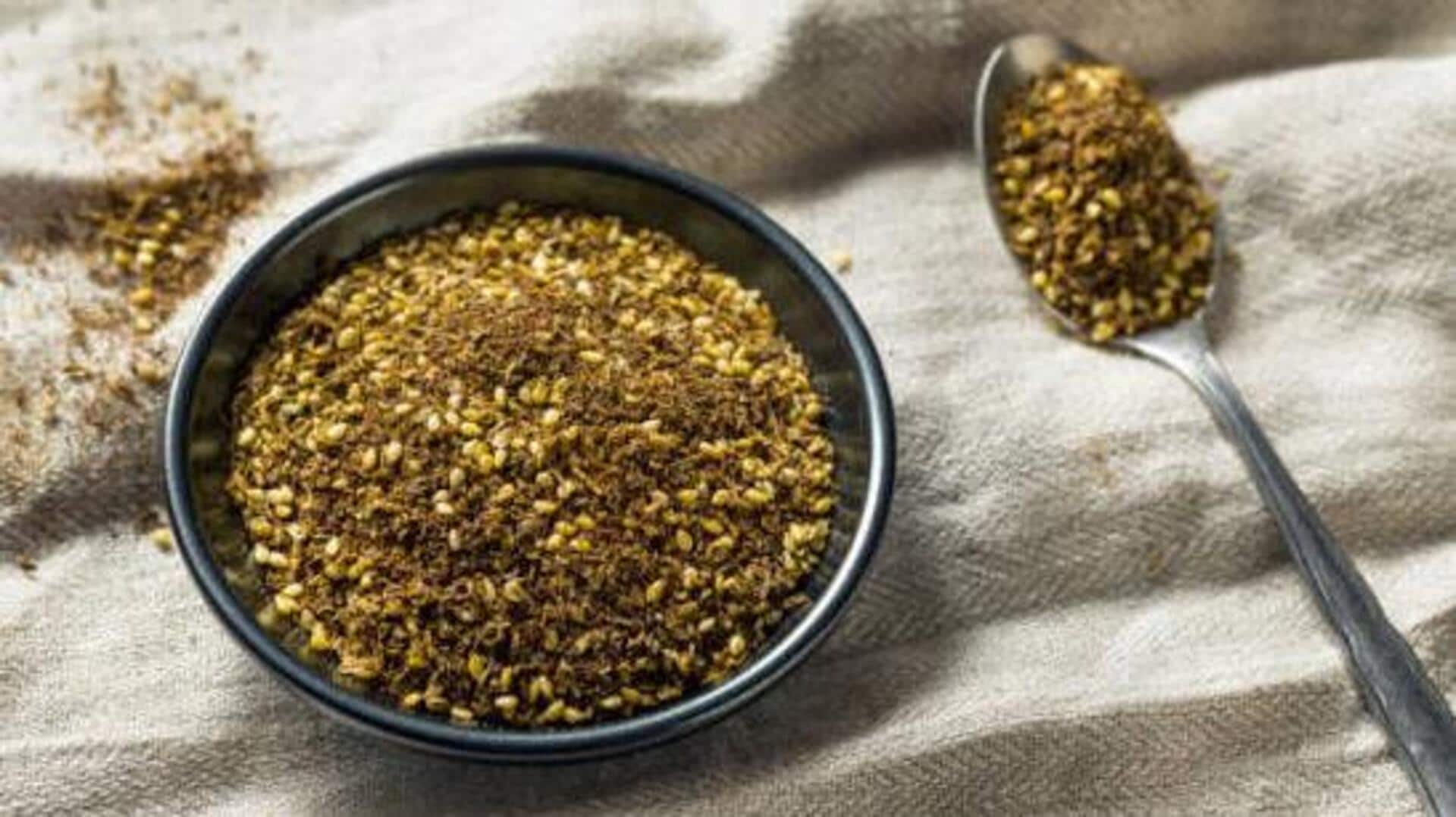
Why African chefs are obsessed with za'atar spice
What's the story
Za'atar, a Middle Eastern spice blend, is becoming increasingly popular in African kitchens. This versatile mix, which usually includes thyme, sesame seeds, sumac, and salt, adds a unique flavor to a variety of dishes. As African chefs experiment with traditional recipes, za'atar provides a new twist that highlights local ingredients and flavors. Its growing popularity speaks to the continent's dynamic culinary scene and the willingness to embrace global influences.
Dish enhancement
Enhancing traditional dishes
Incorporating za'atar into traditional African dishes can elevate their flavor profile.
For instance, sprinkling za'atar over flatbreads, or using it as a seasoning for roasted vegetables, adds depth and complexity.
The herbaceous notes of thyme complement the earthy flavors commonly found in African cuisine.
This fusion not only enhances the taste but also introduces diners to new culinary experiences.
Recipe versatility
Versatile ingredient for modern recipes
Za'atar's versatility makes it an ideal ingredient for modern recipes that blend different culinary traditions.
It can be used as a marinade for grilled vegetables or mixed into dips like hummus for added zest.
Its adaptability allows chefs to experiment with various ingredients while maintaining a cohesive flavor profile.
As more people explore fusion cuisine, za'atar offers endless possibilities for creative cooking.
Cost-effective choice
Affordable and accessible spice option
One of the reasons za'atar is gaining popularity in Africa is its affordability and accessibility.
Most of its components are locally sourced or easily available across the continent.
This makes it an economical choice for both home cooks and professional chefs, looking to experiment without breaking the bank.
Its low cost doesn't compromise on quality or flavor, making it an attractive option for those looking to expand their spice collection.
Agricultural impact
Promoting local agriculture through za'atar cultivation
The rising demand for za'atar has also encouraged local farmers to grow herbs like thyme and sesame seeds in Africa.
Not only does this promote sustainable agriculture, but it also supports local economies by providing farmers with new market opportunities.
As more people embrace this spice blend, communities across Africa can benefit from increased agricultural production and economic growth.