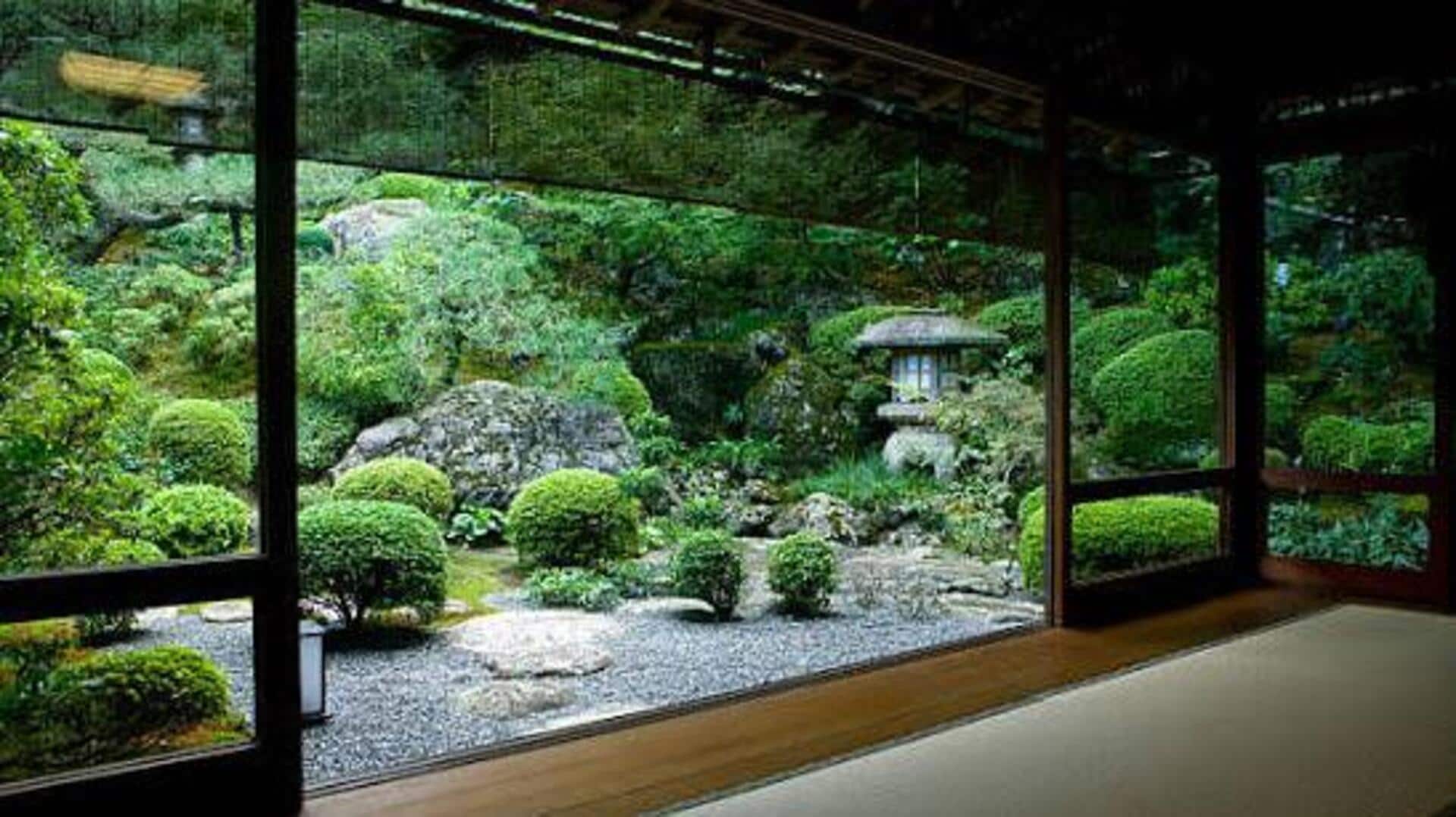
What is zen gardening?
What's the story
Zen gardening, or Japanese rock gardening, is a minimalist art that promotes peace. It involves raking patterns in sand or gravel, simulating water ripples. This practice, rooted in Zen Buddhism, encourages mindfulness and focus. By creating simple landscapes with rocks and sand, practitioners find a meditative space to reflect and relax. It's not just gardening; it's cultivating inner calm through nature's simplicity.
Tip 1
Choosing the right location
Selecting an appropriate location is key to creating a zen garden.
Look for a quiet spot where you can concentrate without interruptions.
The area should get enough sunlight but not too much that it dries out the sand or gravel.
A flat surface is ideal to ensure even distribution of materials.
This way, you can maintain your garden easily and enjoy its calming presence.
Tip 2
Selecting materials wisely
The choice of materials plays an important role in setting up your zen garden.
Go for fine sand or gravel as the base layer, as it is easy to rake into patterns.
Big stones or pebbles can be used to represent mountains or islands in your design. Use natural stones for an authentic look and feel.
Make sure all materials are clean and free from debris for best results.
Tip 3
Designing your layout
Designing your zen garden layout is all about simplicity and balance.
Start by placing larger rocks first, as they form the focal points of your design.
Then, fill in with smaller stones around them, ensuring harmony within the space.
Use straight rakes for linear patterns, and circular rakes for softer waves around these focal points, reflecting nature's beauty.
Tip 4
Maintaining your garden regularly
Regular maintenance keeps your zen garden looking good and effective in promoting relaxation.
Rake the sand regularly to remove any debris and keep the patterns intact.
Check that the stones are in their places, and adjust them if needed.
This practice not only keeps your garden visually appealing but also helps you stay focused on mindfulness activities.