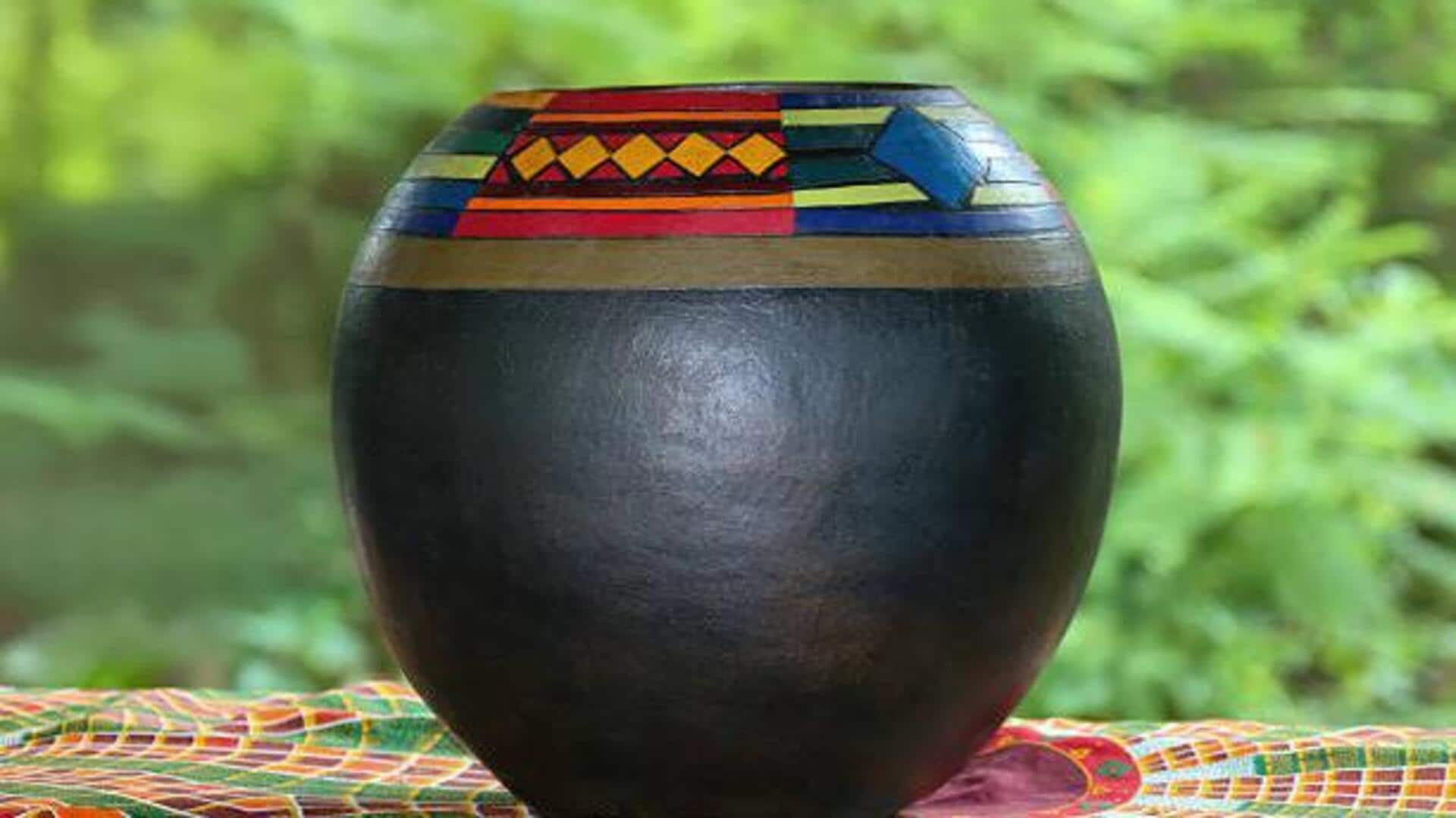
All about Zulu earthenware
What's the story
Zulu earthenware, a traditional African craft, is now being reimagined with contemporary patterns and finishes. This fusion of old and new not only preserves cultural heritage but also makes the art relevant for modern audiences. By blending traditional techniques with modern aesthetics, artisans are creating unique pieces that appeal to a wider market. This evolution highlights the adaptability of Zulu earthenware in today's globalized world.
#1
Traditional techniques meet modern design
Zulu earthenware has always been known for its intricate designs and functional beauty.
But now, artisans are incorporating modern design elements such as geometric patterns and minimalist aesthetics.
This combination retains the essence of traditional craftsmanship, while appealing to contemporary tastes.
The result is a versatile product line that caters to both traditionalists and modern consumers.
#2
Sustainable practices in production
As the world becomes more eco-conscious, Zulu earthenware artisans are adopting sustainable practices in production.
By using locally sourced materials and eco-friendly methods, they are minimizing environmental impact.
These practices not only contribute to sustainability but also enhance the appeal of the products among environmentally conscious buyers.
#3
Market expansion through online platforms
The rise of online platforms has opened up new avenues for Zulu earthenware artisans to reach global markets.
By showcasing their work on digital platforms, they can connect with customers around the world without geographical limitations.
This expanded reach has resulted in increased sales opportunities and greater recognition of this unique craft.
#4
Cultural education through modern art
Modern interpretations of Zulu earthenware also serve an educational purpose by introducing people to African culture through art.
Exhibitions and workshops highlighting these pieces provide insight into traditional techniques, while showcasing contemporary innovations.
This cultural exchange enriches the understanding of African heritage in a global context.