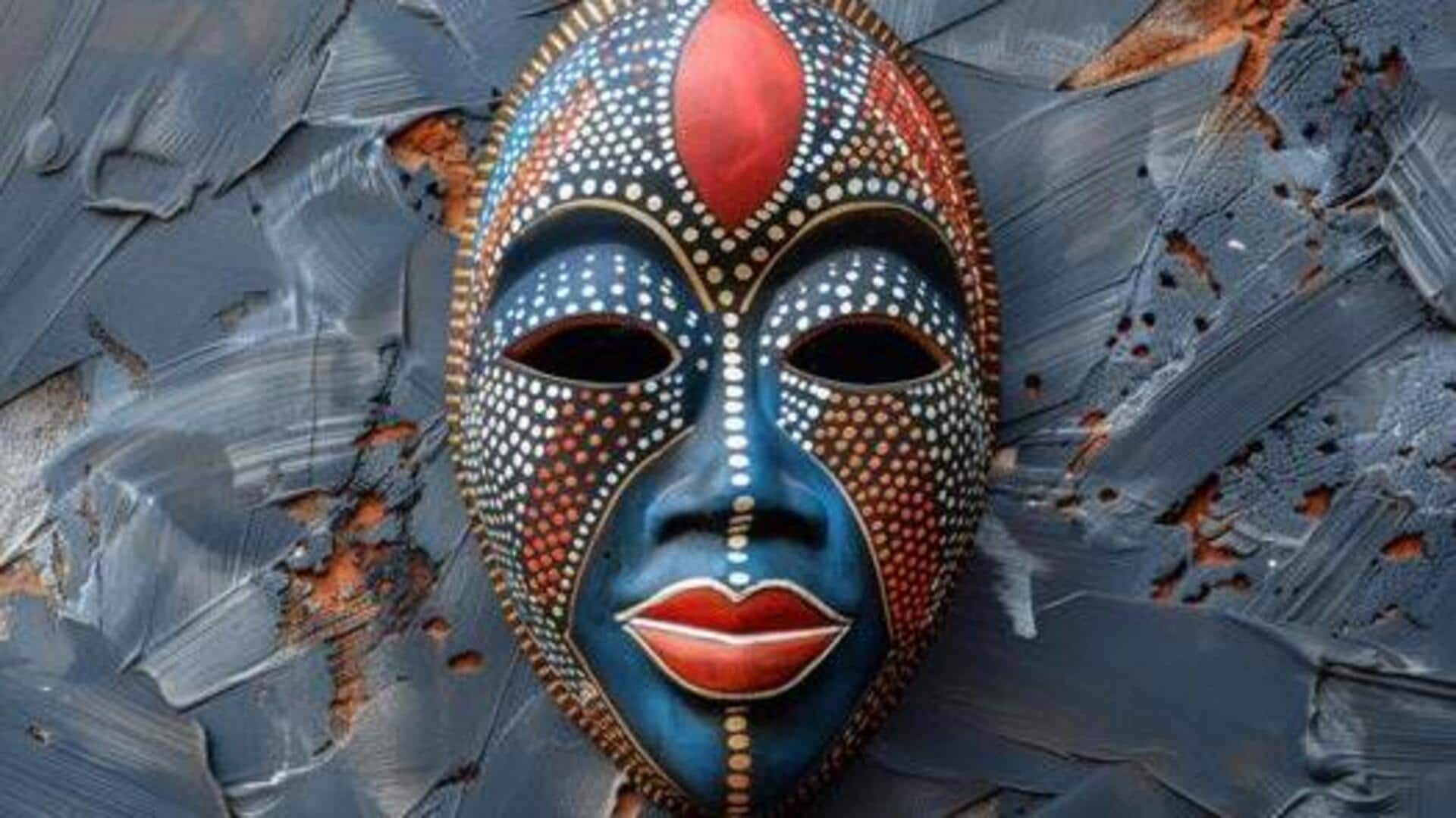
Why the Zulu tribe wears beadwork masks
What's the story
The Zulu tribe of South Africa is famous for its rich cultural heritage and unique beauty practices. One such practice is the use of beadwork face masks, which are not only a form of artistic expression but also a reflection of cultural identity. These masks are crafted with colorful beads and are worn during important ceremonies and events. They represent beauty, status, and tradition within the Zulu community.
#1
Historical significance of beadwork masks
Beadwork masks have been an integral part of Zulu culture for centuries.
Historically, these masks were worn by warriors and leaders to signify strength and bravery.
They also served as a means of communication, conveying messages through their colors and patterns.
Today, the masks continue to be an important part of cultural ceremonies, preserving history and tradition.
#2
Craftsmanship behind each mask
The craftsmanship involved in creating beadwork face masks is meticulous.
Artisans spend hours selecting beads based on color symbolism and arranging them in intricate patterns.
Each mask is unique, reflecting the personal style of the creator, as well as traditional designs.
The process requires patience and skill, passed down through generations.
#3
Symbolism embedded in designs
Every design element on a Zulu beadwork mask carries deep symbolism.
Colors may represent different emotions or social statuses, while specific patterns can denote tribal affiliations or personal achievements.
Understanding these symbols provides insight into the values and beliefs that shape Zulu society.
#4
Modern adaptations of traditional masks
In recent years, there has been a resurgence of interest in traditional Zulu beadwork masks, both locally and internationally.
Artists have begun to adapt these designs for contemporary fashion, while still honoring their cultural roots.
This modern twist allows for greater appreciation of Zulu artistry, while ensuring its continued relevance in today's world.