Lok Sabha passes Insolvency and Bankruptcy Code Amendment Bill 2025
What's the story
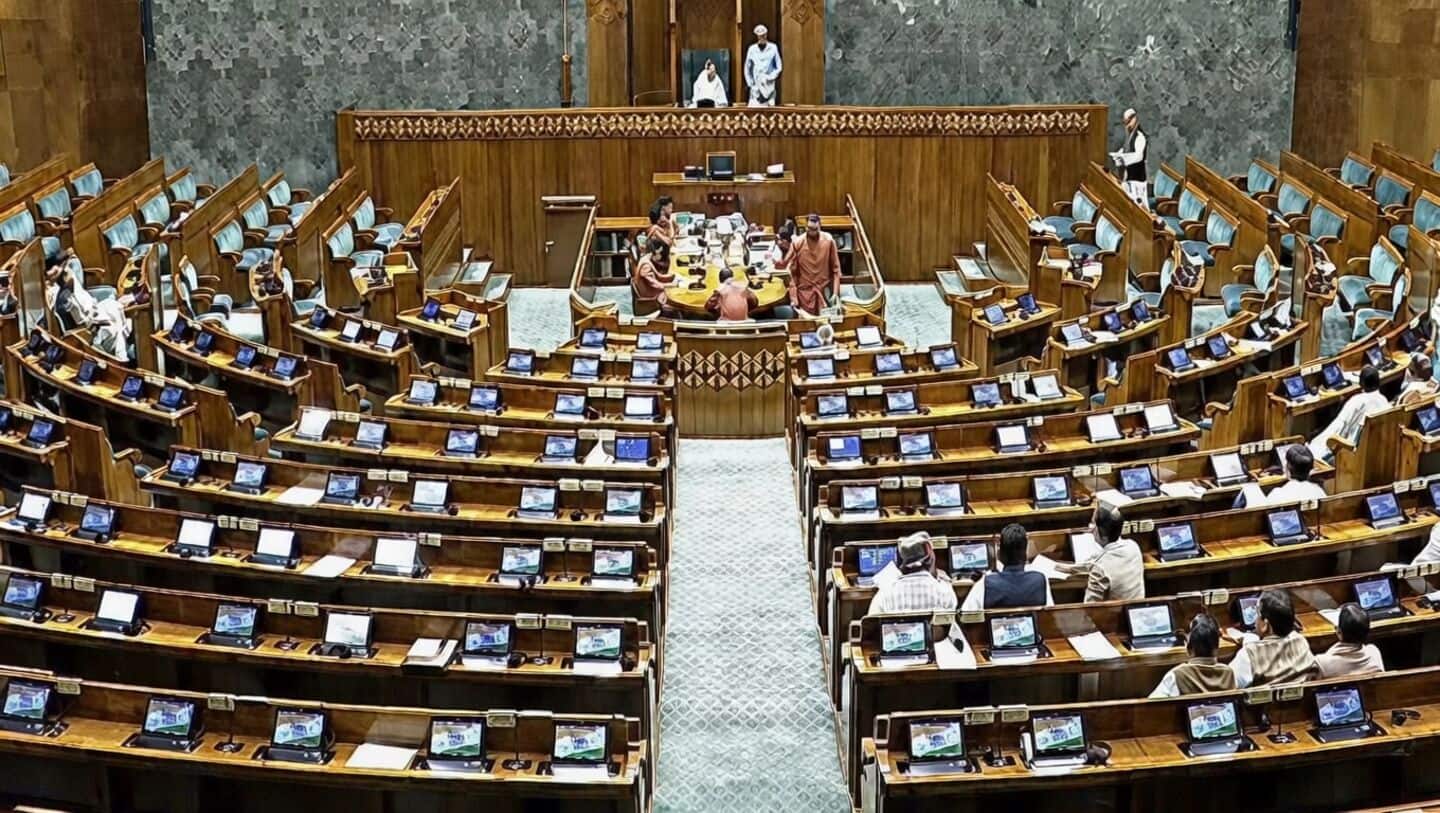
The Lok Sabha on Monday passed the Insolvency and Bankruptcy Code (Amendment) Bill, 2025, with a voice vote. The bill seeks to further amend the IBC, which was first implemented in 2016. Finance Minister Nirmala Sitharaman said it replaces an underutilized fast-track process with a new creditor-initiated insolvency framework that includes out-of-court settlements and debtor-in-possession models.
FM
12 amendments
The finance minister stated that the Insolvency and Bankruptcy Code (IBC) Amendment Bill includes 12 amendments, 11 of which were recommended by the Select Committee and one introduced by the administration.
Speaking on the Bill, she stated that the Insolvency and Bankruptcy Code has played a critical role in enhancing the health of the country's financial system, notably in the resolution of stressed assets. She emphasized that the law was never designed to serve just as a debt recovery mechanism.
Recovery impact
Nirmala Sitharaman cites 4.11L/cr recoveries
Sitharaman said the IBC has facilitated the resolution of 1,376 companies and helped recover ₹4.11 lakh crore till December 2025.
The amendments aim to speed up insolvency applications and allow group and cross-border processes.
One of the amendment's key features is the introduction of a mandatory 14-day timeline for admitting insolvency applications after a default has been established. This provision is likely to bring greater predictability and speed to the beginning phases of insolvency proceedings, according to IANS.
Process integrity
Government bill proposes penalties, prioritizes workmen
The bill also proposes penalties to stop the misuse of the insolvency process.
Sitharaman stressed that workmen's interests are prioritized under IBC, with their dues getting higher priority.
The government introduced this bill on August 12, 2025, to address challenges like resolution timelines and capacity constraints at NCLT.
The bill was referred to a select committee which submitted its report in December 2025.