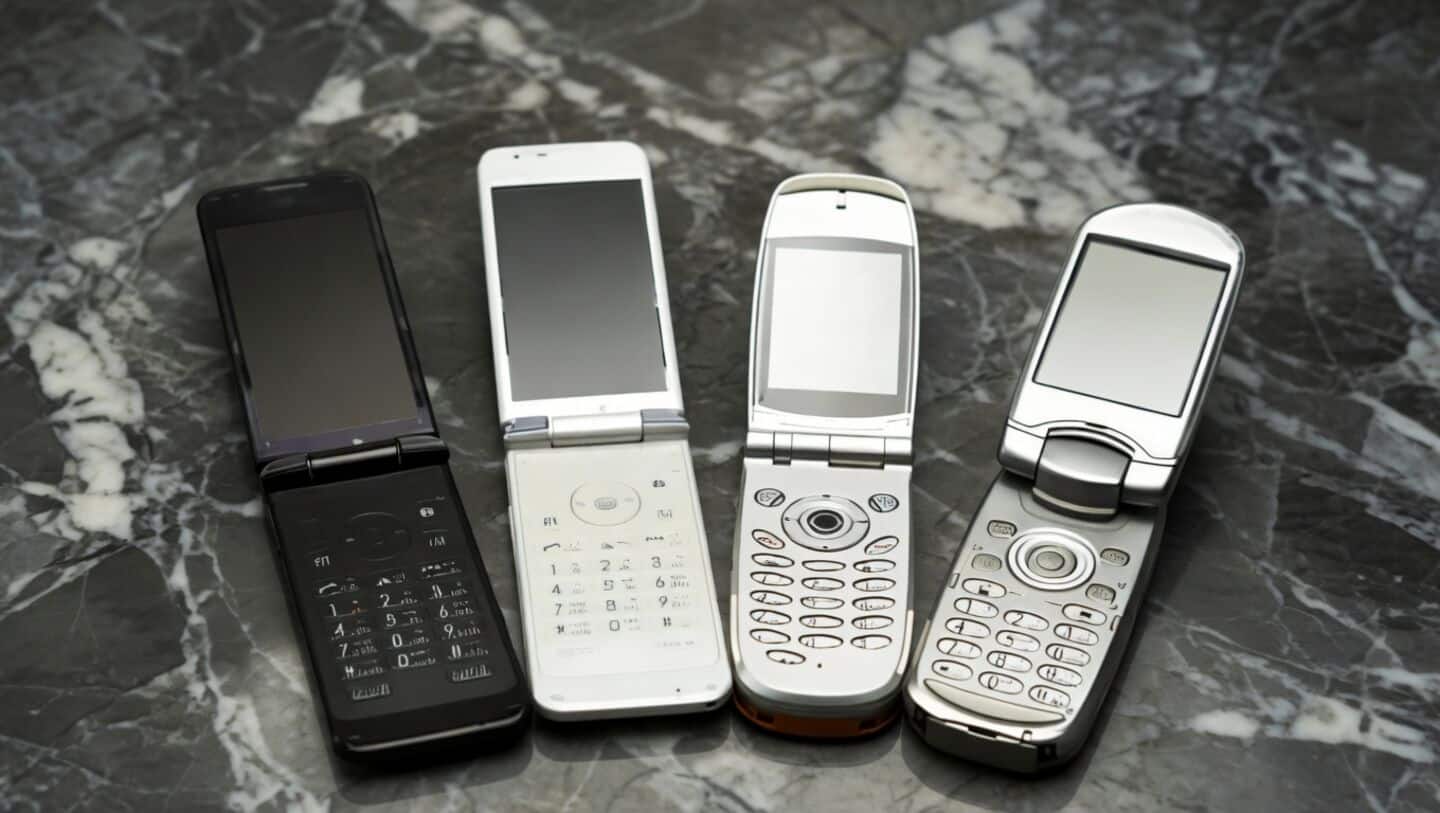
3G shutdown forces end of Japan's iconic flip phones
What's the story
Japan is witnessing a major shift in its mobile landscape with the shutdown of its last 3G network. The move, led by NTT Docomo, Japan's largest telecom operator, will affect some 500,000 users still relying on older flip phones. The end of this service marks not just a technological upgrade but also a cultural turning point for many in the country.
Cultural significance
Garake users face loss of service
The shutdown of Docomo's 3G network will leave many garake users without service.
These feature phones, a blend of "Galapagos" and the Japanese word for mobile phone, have been a major part of Japan's advanced mobile culture.
Long before smartphones became global staples, garake offered services like email, internet browsing and mobile payments via Docomo's pioneering i-mode service launched in 1999.
Digital transition
Over 400 legacy phone models affected
The shutdown of Docomo's 3G network will also affect over 400 legacy phone models, as well as older systems used in everyday infrastructure like car navigation units and vending machines.
This highlights the deep integration of this technology into daily life.
With the end of this network, a new chapter begins for those who have clung to their flip phones for so long.
User adaptation
NTT Docomo offers in-store smartphone training
The transition from garake to smartphones is a major shift for many users, especially older adults.
They are now getting used to unfamiliar interfaces and learning new digital habits.
To ease this transition, NTT Docomo has started in-store training sessions on basic skills like making calls, saving contacts, taking photos and browsing online marketplaces.