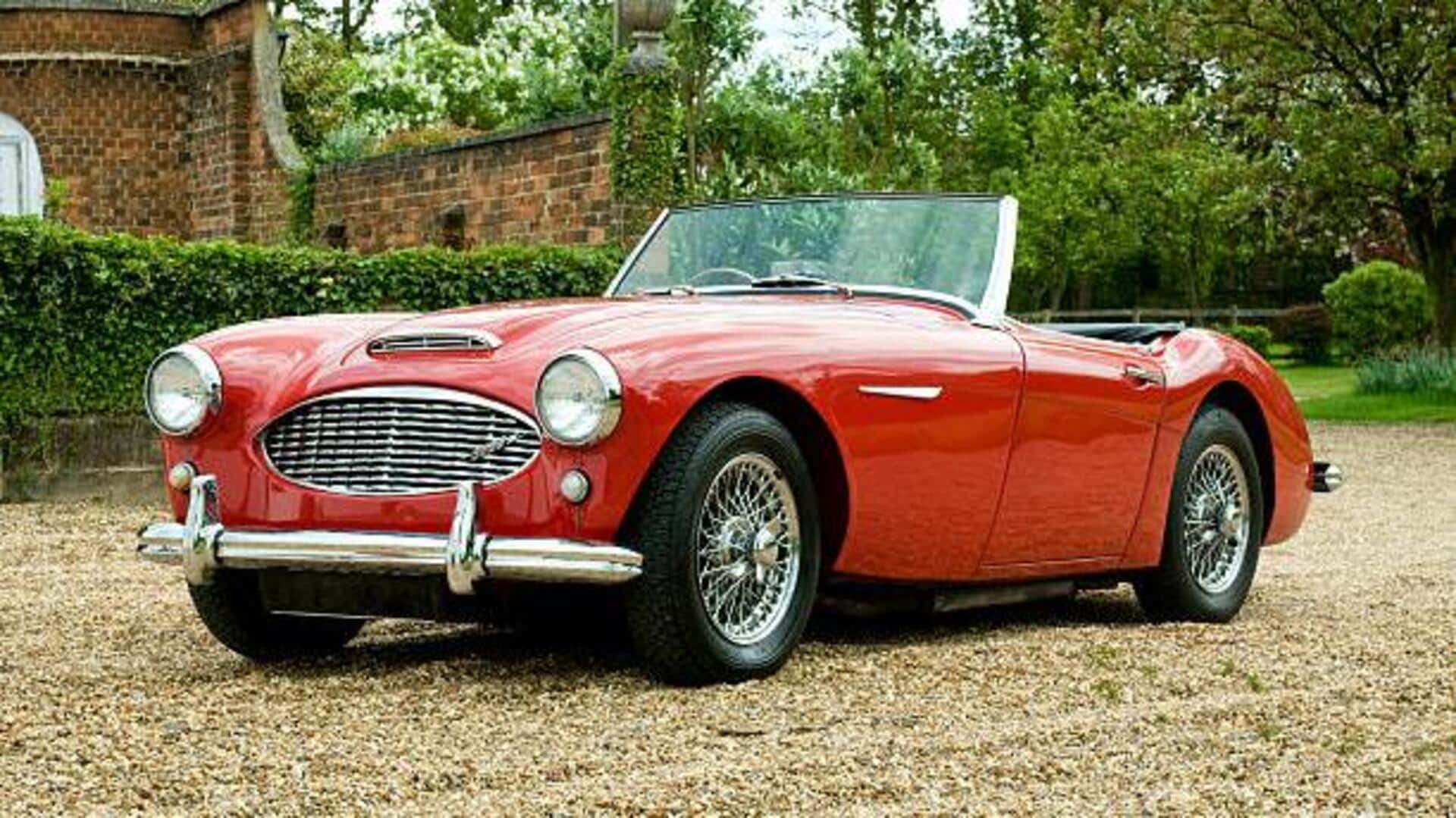
These AI tools can help you restore classic cars
What's the story
AI is revolutionizing classic car restoration by improving planning, diagnostics, part sourcing, visualizing outcomes, and documenting the finished build. These tools are not taking away from skilled hands, but are minimizing guesswork and saving time on research, design, and presentation. Here are five AI tools that are making a major difference in classic car restoration projects.
Tool 1
Spyne AI car restoration
Spyne's AI tool is specifically designed for digitally restoring vehicle images. It enhances their clarity, color, and overall presentation with a single click.
By employing deep learning trained on damaged and aged vehicle images, it creates compelling before-and-after visuals.
This particularly makes it useful for listing photos and documenting restorations.
Tool 2
ChatGPT as a planning assistant
ChatGPT can also be a great assistant in your restoration plan.
It can talk you through symptoms of problems, recommend probable causes, and narrow down diagnostic routes before any hands-on work is done.
This makes it a pretty efficient troubleshooting tool in the early stages of a project.
Tool 3
Google Whisk for visual previews
For generating thumbnails and concept visuals in car-restoration workflows, Google Whisk is recommended.
It will help restorers preview what the finished look would be like by creating polished marketing or social media assets for project builds.
Basically, it will help you visualize the outcome before actually implementing it.
Tool 4
Grok for structured content creation
When it comes to car-restoration content, Grok helps in expanding prompts to create structured scene ideas.
It lays out visual concepts as step-by-step presentation material, converting rough ideas into clearer project narratives.
This way, you can easily communicate the vision of the restoration process with others.
Tool 5
Leonardo AI for concept rendering
Leonardo AI also finds application in image generation and concept rendering in car-restoration workflows.
It explores paint options, bodywork ideas, wheel styles, and overall finishes before committing to real-world changes.
This way, restorers can experiment with different designs efficiently, without physical alterations in the first place.