How AI can help save endangered plants from extinction
What's the story
Artificial intelligence (AI) and digitization could be key in the fight against extinction of vital plant species. A report from the Royal Botanic Gardens, Kew has highlighted the potential of new technology in tracking changes in flowering times globally. The tech also helps identify new specimens and extract crucial genetic data from 180-year-old fungus specimens. This could lead to a "genomic goldmine," opening up new possibilities for conservation efforts.
Technological impact
Plant species at risk of extinction
The digitization and online access to millions of specimens, previously accessible only in archives, is providing new insights. This is especially true for the global south.
Plants and fungi are the backbone of life on Earth, providing food, medicine, carbon storage, and climate regulation.
However, around 40% of the 70,000 assessed plant species are at risk of extinction. Another 330,000 have yet to be analyzed with an estimated 100,000 still unnamed by scientists.
AI application
AI can identify difficult plants
AI can be trained to identify difficult plants, like sedges and peat mosses with microscopic distinguishing features. This way, new or vulnerable species can be spotted faster.
"These AI models can sometimes now identify better than specialists - that's incredibly exciting," said Professor Alexandre Antonelli, the Executive Director of Science at RBG Kew.
Digitizing images and collection data of plant and fungi specimens also accelerates international collaboration on biodiversity conservation efforts.
Case study
Madagascar's biodiversity unlocked by digitizing specimens
Madagascar, one of the world's most extraordinary biodiversity hotspots, has seen a wealth of knowledge spanning centuries unlocked by digitizing 37,000 physical specimens.
"We've unlocked a treasure of knowledge spanning centuries, offering invaluable insights into today's biodiversity," said Landy Rajaovelona, a senior botanist at Kew Madagascar.
The Royal Botanic Gardens Kew has digitized all its 7.4 million specimens, including those collected by Charles Darwin and made them freely available online.
Climate study
Climate crisis is impacting flowering times
The report also includes a global study using an AI model trained to spot flowers that analyzed eight million digitized specimens.
It found that flowering has shifted by an average of 2.5 days a decade over the last century due to the climate crisis.
Changing rainfall patterns and rising temperatures have resulted in some flowers blooming later while others come earlier, disrupting ancient relationships between plants and their pollinators or other animals dependent on them at specific times of year.
Fungal research
Unlocking the genomic secrets of ancient fungi
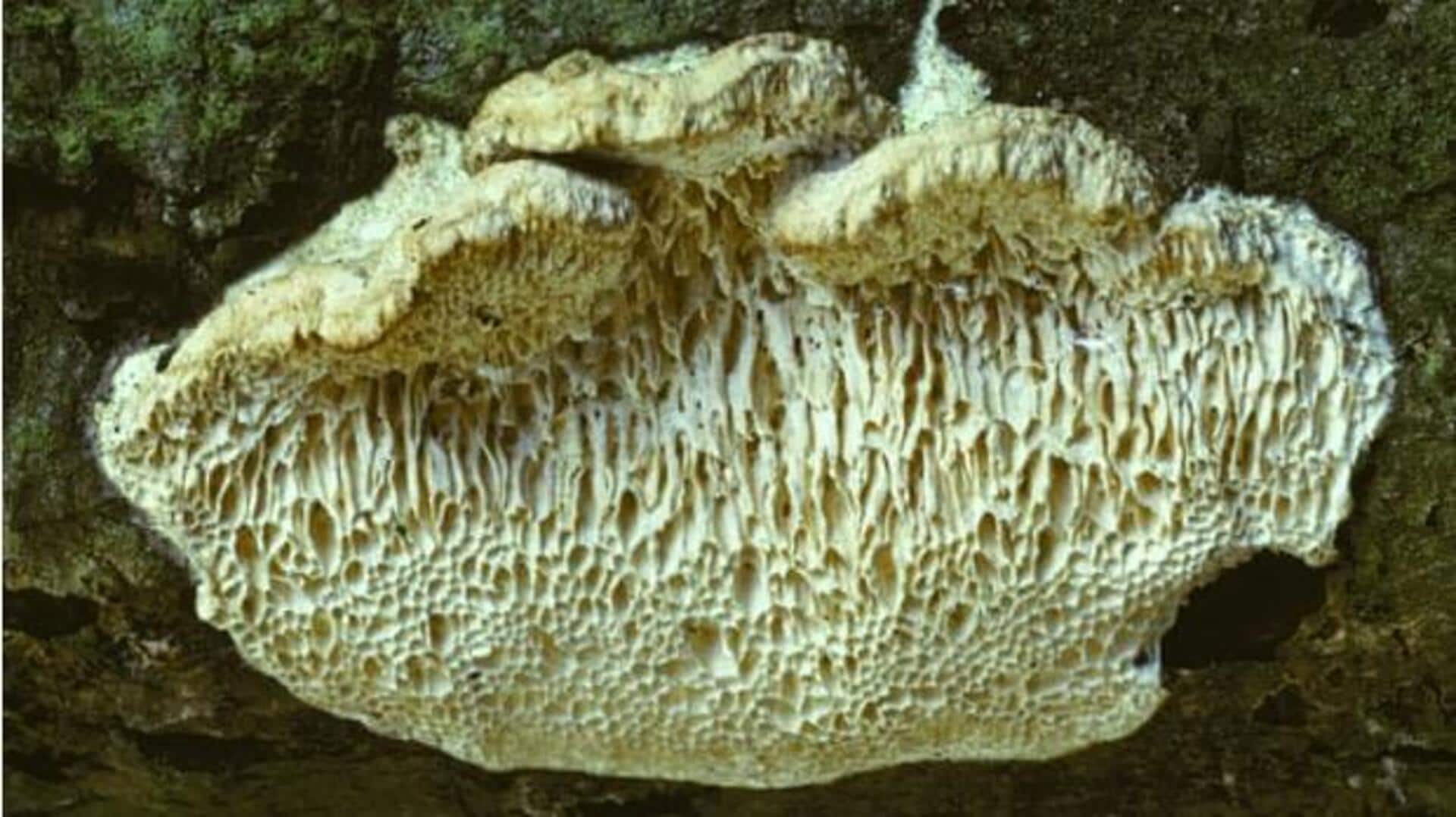
New technology is also revealing genetic secrets from fungi. Scientists can now produce high-quality genomes from very old specimens, some as old as 180 years.
This breakthrough makes historical fungarium specimens a "genomic goldmine" for new medicines and predicting disease outbreaks.
Penicillin and statins were derived from fungi, highlighting the potential of these discoveries in future medical advancements.