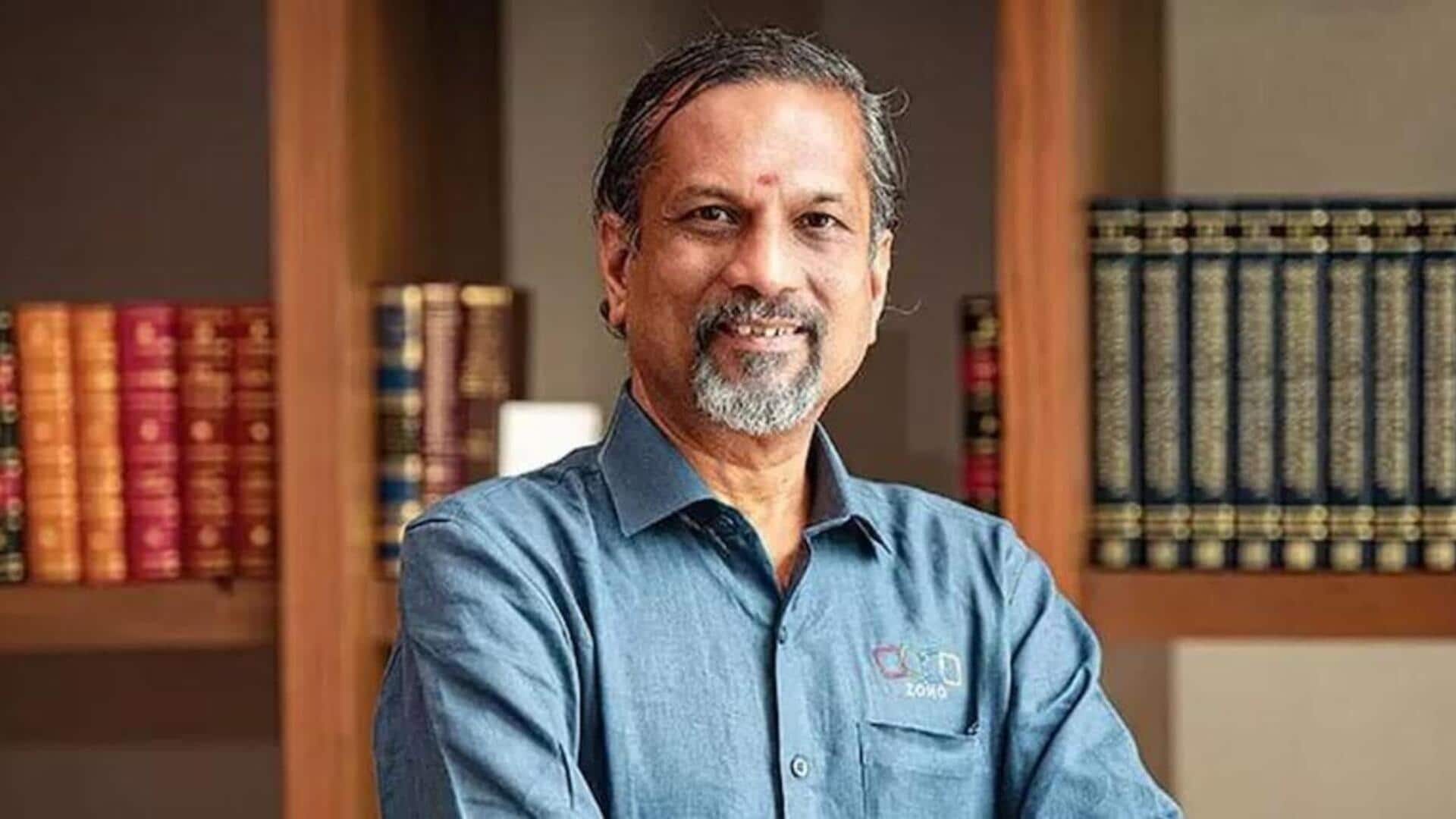
Why do people fear AI? Sridhar Vembu has an idea
What's the story
Sridhar Vembu, the CEO of Zoho Corporation, has sounded an alarm over the global economy. He said that the growing resentment against artificial intelligence (AI) in the US is more about economic uncertainty and job losses than anything else. In a post on X, he questioned why even college students are resisting AI technology despite America being at its forefront.
Corporate accountability
Companies using AI as scapegoat for layoffs
Vembu criticized companies for linking layoffs and cost-cutting measures with AI adoption.
He said that firms often blame job losses on AI to appear "visionary" and offer a convenient explanation for workforce reductions.
However, he argued that the real reason behind many layoffs is rising economic pressure and weakening business conditions.
Economic forecast
US economy grimmer than it appears, warns Vembu
Vembu admitted that Zoho has also faced similar cost pressures and warned that the broader economic picture is becoming "grimmer."
He said massive investments in AI have temporarily kept the US economy moving, but this momentum may not last forever.
The tech entrepreneur also linked the current AI boom with larger global economic changes that have been building for decades.
Historical lens
Tech shifts don't fix structural economic issues
Vembu urged people to view the current situation through a longer historical lens, rather than just short-term political developments.
He referred to the 2008 global financial crisis and argued that cracks in the post-World War II economic and political order had begun appearing long before the current AI wave.
He also pointed out that major technological shifts like iPhone-led smartphone revolution didn't solve structural economic imbalances.
Future challenges
Prepare for tough years ahead
Vembu stressed that "AI will not magically cure global imbalances," urging the people to prepare for difficult years ahead.
His post sparked a major debate online, with many agreeing that AI-related anxiety is being amplified by the technology's arrival amid inflation concerns, job insecurity, geopolitical tensions, and weakening trust in institutions.
Some users also disagreed with the notion of an inevitable decline, arguing that technological transitions often feel disruptive before economies adjust to new systems.