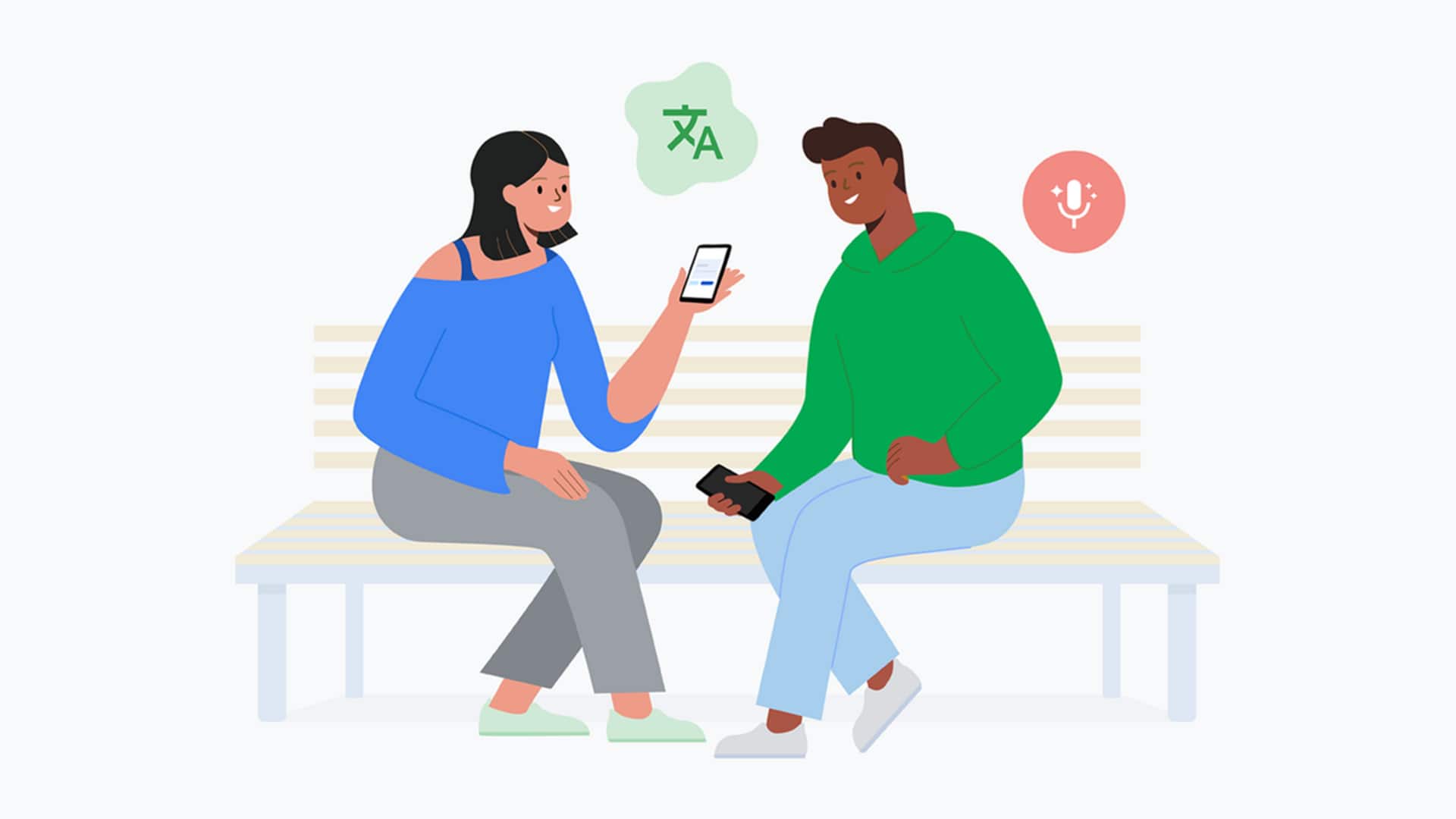
How AI is fixing the way we learn languages
What's the story
AI language apps are changing the way people learn new languages, all with an element of fun, interactive storytelling. These tools combine education with entertainment, making language learning fun and immersive. By leveraging narrative-driven experiences, learners can practice language skills naturally and enjoyably. This not only motivates users but also reinforces grammar, vocabulary, and pronunciation through contextual settings.
#1
The rise of storytelling in language learning
Traditional language learning methods often depend on repetitive drills and vocabulary lists.
However, modern age AI tools have moved towards narrative-driven experiences, where learners dive into stories and role-play situations that resemble real conversations.
Not only does this keep users motivated, but it also reinforces language skills in a natural, contextual manner.
#2
Top AI tools for interactive storytelling
Several AI tools also shine with their interactive storytelling capabilities.
DreamGen offers dynamic storytelling powered by GPT artificial intelligence, allowing users to influence narratives through choices.
TwinTone offers real-time interaction with AI Twins across over 40 languages, creating authentic conversations.
Talefy specializes in world-building with multiple characters interacting simultaneously in various genres like adventure and mystery.
#3
Key features to look for
When selecting an AI language app with interactive storytelling, look for real-time interaction and emotional intelligence features that adjust based on how engaged you are.
Multi-language support is key in case you want to explore different linguistic challenges on the same platform.
Voice and text flexibility also matters as some learners may prefer typing their responses while others may benefit from speaking directly.
#4
How interactive storytelling enhances retention
Interactive narratives in AI language apps forge emotional connections that greatly enhance memory retention by immersing users in story endings where their choices matter.
This ensures that learners are more invested in the process, making it easier to remember vocabulary and grammar.
Real-time adaptation of the narrative lets the difficulty level adjust based on proficiency, avoiding frustration and disengagement, and keeping the user invested throughout the experience.
Tip 1
Practical tips for maximizing your experience
Start with scenarios from your daily life or interests to make the experience relatable and engaging.
Use instant translation wisely; focus on understanding context first before verifying your interpretations.
Stay consistent through streaks offered on platforms like Talkio AI; short sessions every day work better than sporadically long ones.
Try multiplayer modes when available; collaborating exposes you to different learning styles, enhancing accountability.