AI-backed mammography detects more cancers, cuts later diagnoses by 12%
What's the story
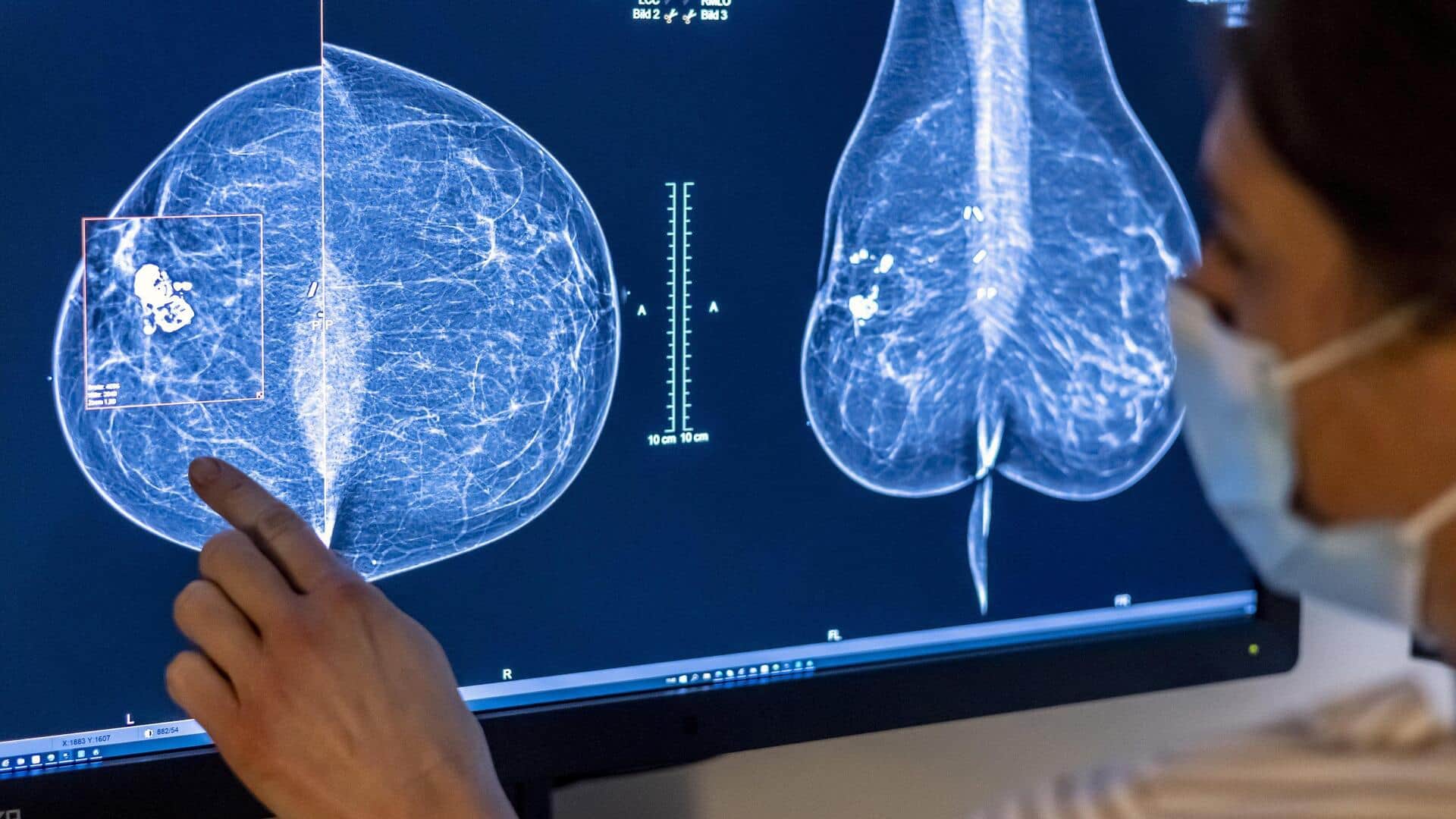
A large randomised trial in Sweden has found that artificial intelligence (AI) can help detect breast cancer earlier and lower the number of women diagnosed years after screening by 12%. The research, published in The Lancet, is the largest of its kind to examine the use of AI in cancer screening. It involved 100,000 women in Sweden who were either assigned to an AI-supported screening or a standard double reading by two radiologists between April 2021 and December 2022.
Technology application
AI detected more cancers at the screening stage
The AI system analyzed the mammograms, assigning low-risk cases to a single reading and high-risk ones to a double reading by radiologists.
It also flagged suspicious findings to assist radiologists.
The study found that AI-supported mammography detected more cancers at the screening stage (81%) than standard double readings (74%).
Plus, the aggressive sub-type cancers were nearly a third less in the AI group compared to controls.
Expert opinion
Introducing AI in healthcare must be done cautiously
Dr. Kristina Lang from Lund University in Sweden and the lead author of the study, said that while AI-supported mammography could help detect cancers at an early stage, there are caveats.
"Widely rolling out AI-supported mammography in breast cancer screening programs could help reduce workload pressures among radiologists," she said.
However, Dr. Lang stressed that introducing AI in healthcare must be done cautiously with continuous monitoring to ensure its effectiveness over time.
Caution advised
AI can't replace healthcare professionals
Despite the apparent benefits of AI in mammography screening, researchers don't advocate for replacing healthcare professionals with this technology.
Screening still requires at least one human radiologist to perform the reading with AI support.
Dr. Sowmiya Moorthie from Cancer Research UK stressed that while using AI can make readings more efficient, there's a risk of missing some cancers.
She emphasized further research is needed to confirm these findings and their potential impact on saving lives.
Future prospects
This study shows real promise for earlier diagnosis
Simon Vincent, Chief Scientific Officer at Breast Cancer Now, highlighted the enormous potential of AI to assist radiologists in breast cancer screening.
He said, "This study shows real promise for earlier diagnosis that could improve and save lives."
Trials launched last year in the UK exploring the use of AI within the NHS breast screening system will be crucial in determining how best these tools can be used for early detection.