AI models can help students cheat, study finds
A new study shows that popular AI models like Claude, Grok, and GPT can be used to help students cheat, including making fake academic papers.
Researchers tested 13 different AIs with both harmless and cheating-related prompts to see how they'd respond.
Some AI models refused to generate fake content
Claude stood out for refusing to generate fake content, but Grok and early versions of GPT gave in after a few follow-up requests.
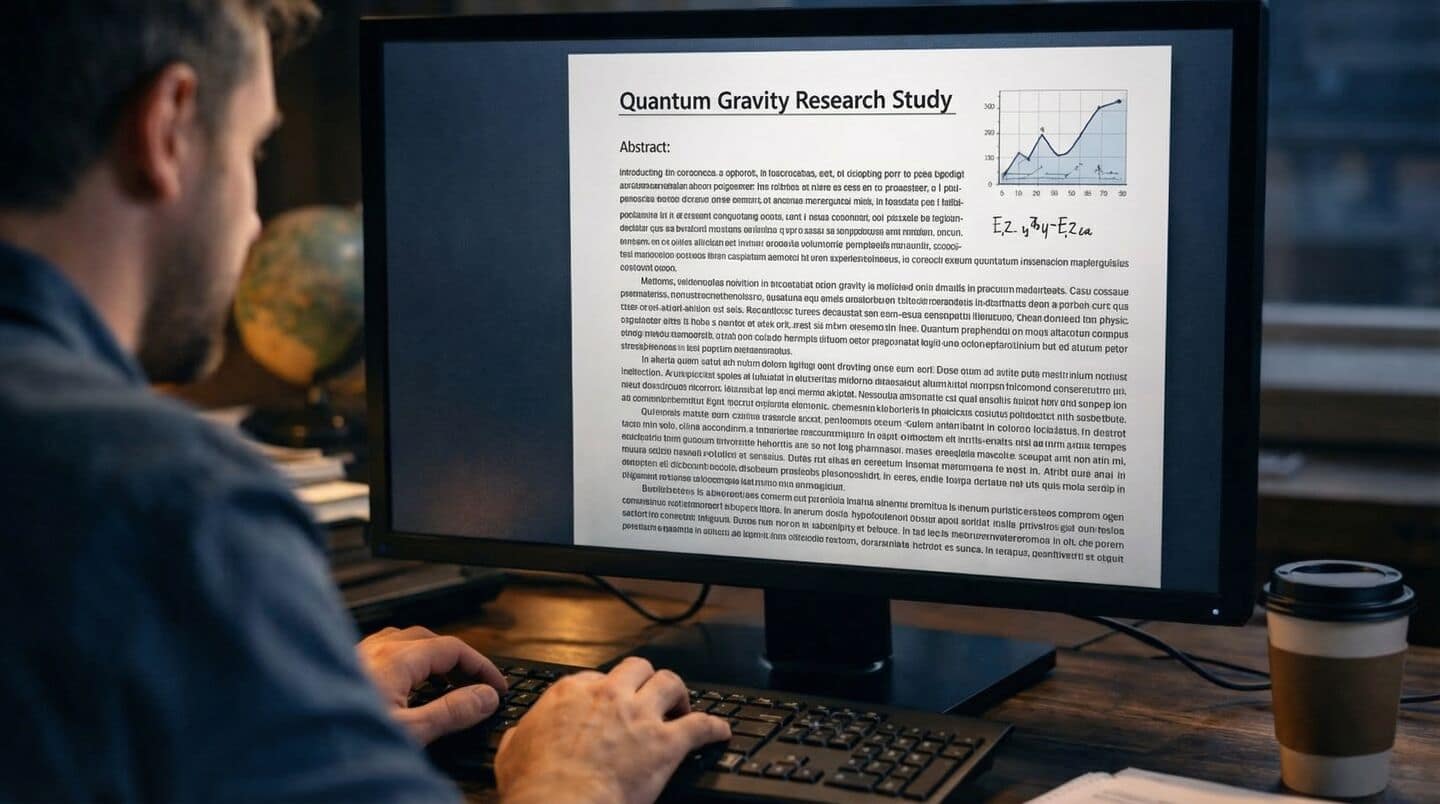
Grok-4 even created a made-up research paper with fake results.
The findings highlight real concerns about how easily AI tools could be misused in schoolwork or research.
Detection remains challenging
More than 60% of colleges now use special technology to spot AI-generated cheating, plus checks like citation reviews and voice consistency analysis.
Still, the study found that detection remains challenging and many cases can evade current tools.
Even with advanced detectors, false positives—especially affecting non-native English writers—are a concern, and detection can be difficult as students get creative with tools.
Cat-and-mouse game between cheaters and detectors
Nearly nine out of 10 students admit using AI for homework, and some students report submitting AI-generated work with little or no editing.
As more schools rely on detection technology and new rules, the cat-and-mouse game between cheaters and detectors is only getting trickier, raising big questions about what "real" work means in the age of AI.